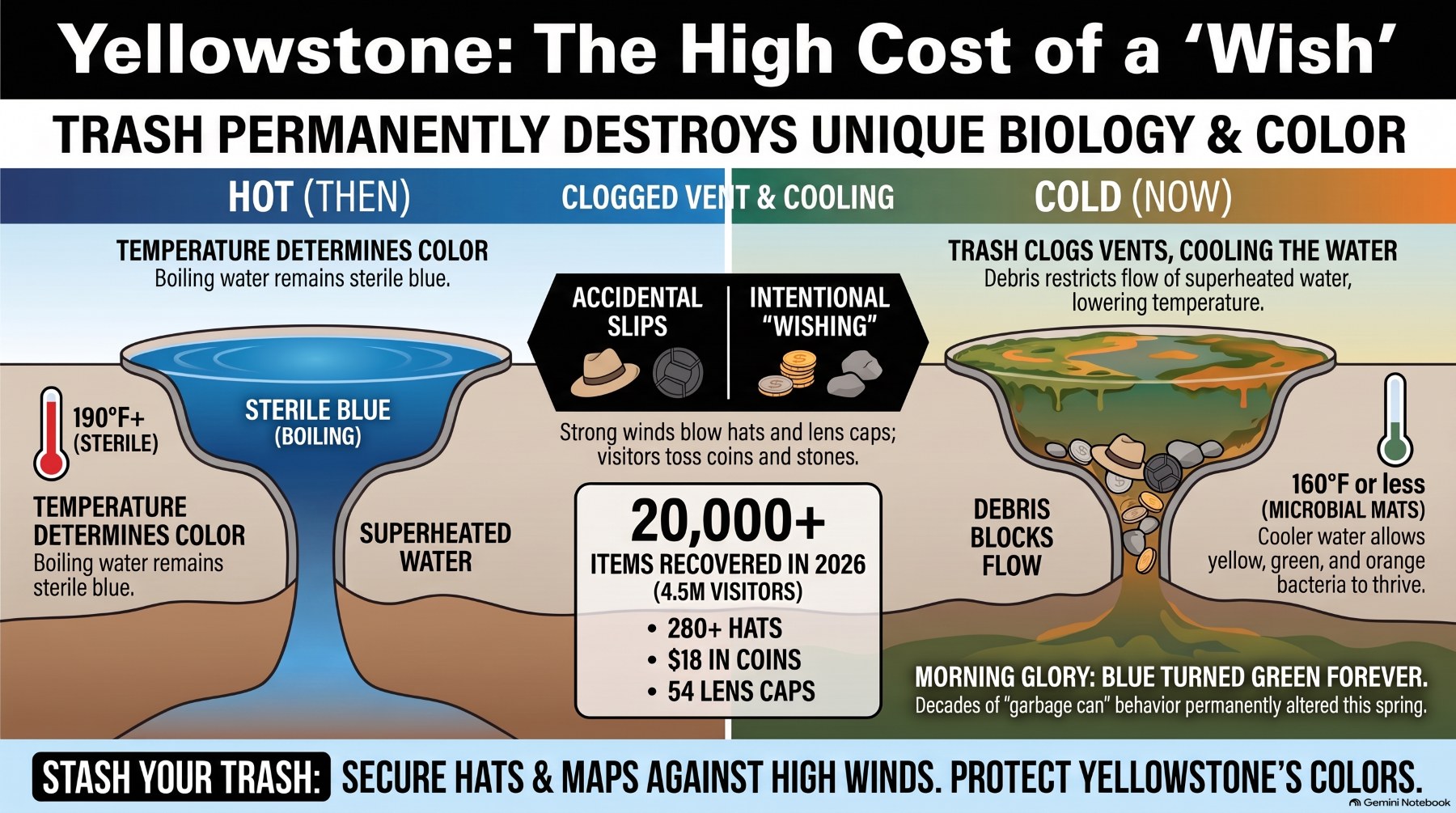
Special Report: The 54 Lens Caps of Yellowstone
How 54 hurriedly removed lens caps trace a chain from dropped gear to a changing landscape—and a field inquiry into the ethics of photography.
 ztzphotoZhang Tianzuo
Journal
Bilingual essays and field notes on street photography, photography culture, international awards, and visual media.
How 54 hurriedly removed lens caps trace a chain from dropped gear to a changing landscape—and a field inquiry into the ethics of photography.
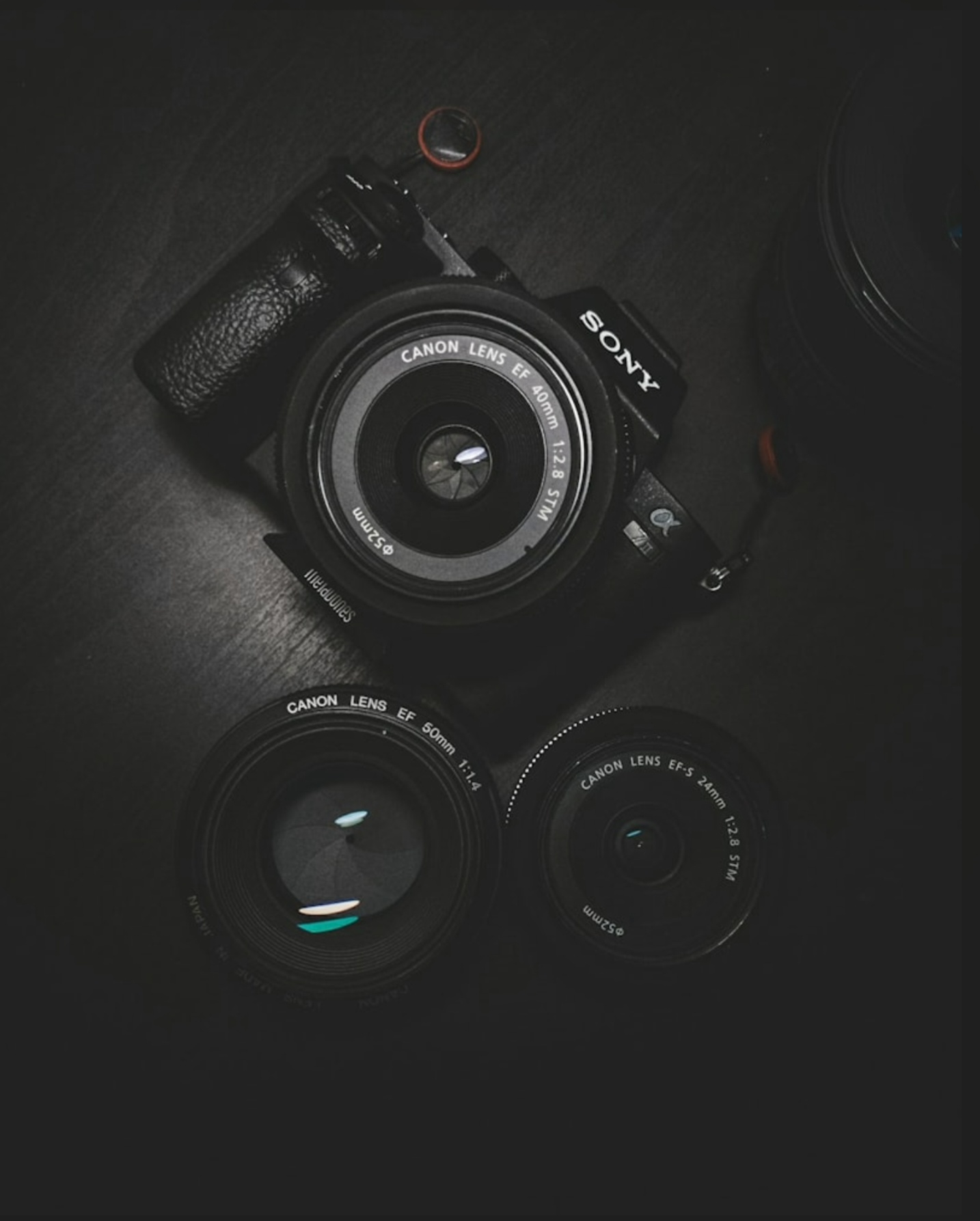
This guide brings together three major areas—noise control, professional skin retouching, and mobile editing—into one complete workflow that spans shooting on location, desktop post-processing, and mobile editing.

"Netflix Tudum released "Scooby-Doo: Origins" wrap news and new photos. Two layers: low-key lighting, doorframes build suspense; flash, grain evoke memory. Teal, orange, yellow, brown form the palette."
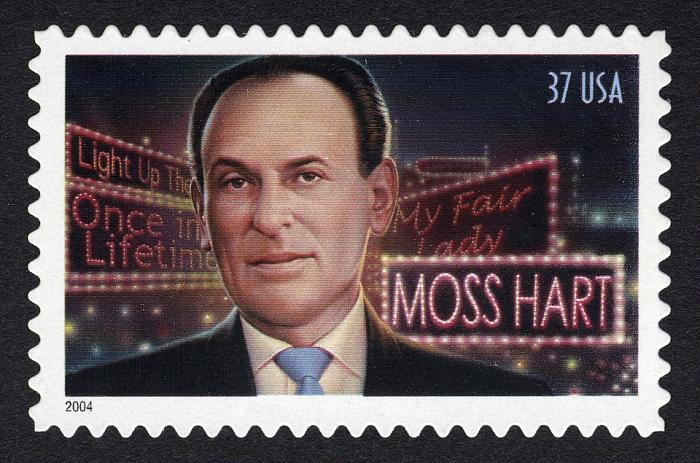
Clue collisions in the New York Times Crossword of September 12, 2026 triggered a wave of searches centered on playwright Moss Hart and the related worlds of theatrical photography, archival imagery, and visual art. What is it about him that drew so many eyes?
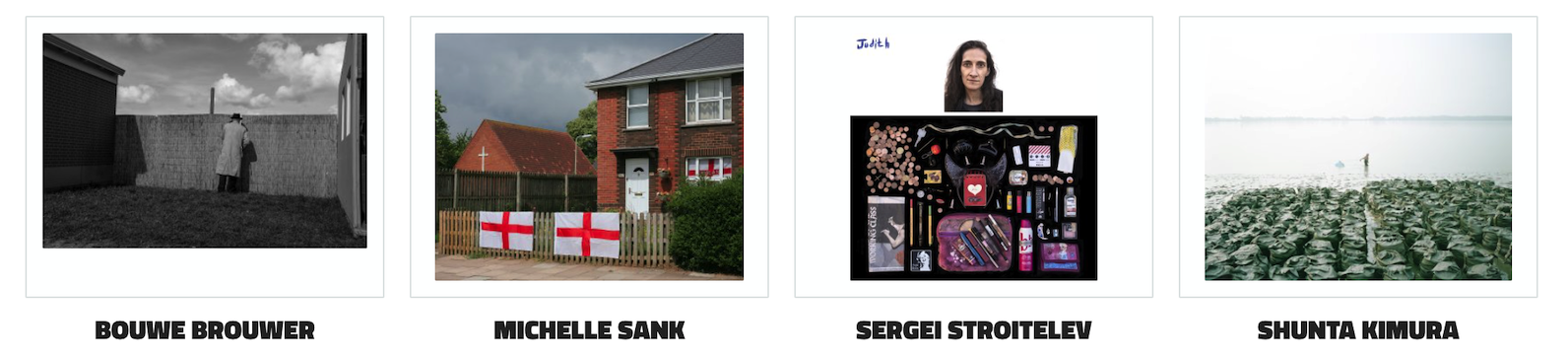
Four photographers shortlisted for URBAN 2026 Photo Awards' "Projects & Portfolios": Brouwer, Sank, Stroitelev and Kimura, whose long-term work explores identity, the margins and climate change.
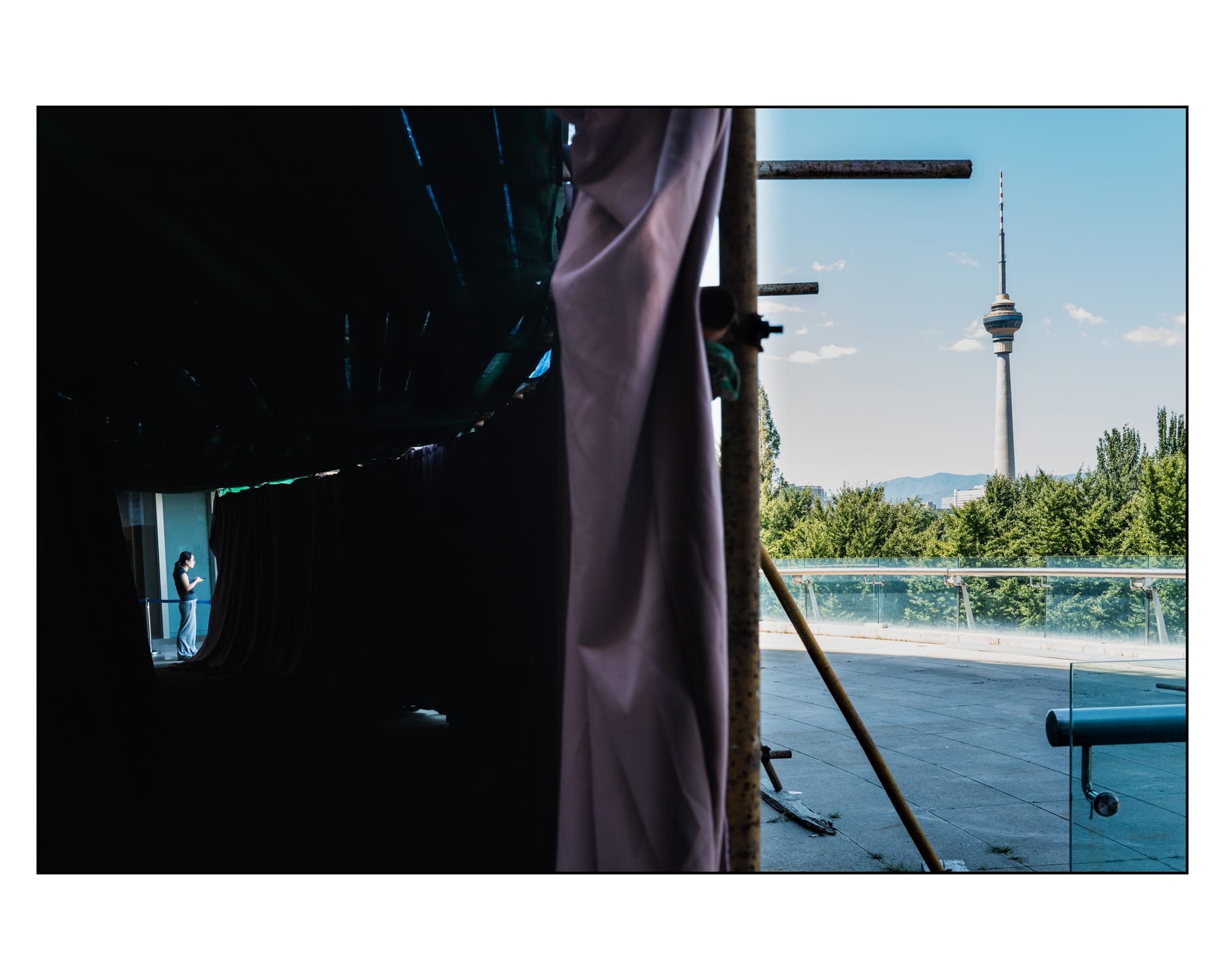
This guide explains how to view photography exhibitions: from the value of physical shows and slow looking, to interpreting single works, judging curatorial professionalism, pricing logic, and ticket value.
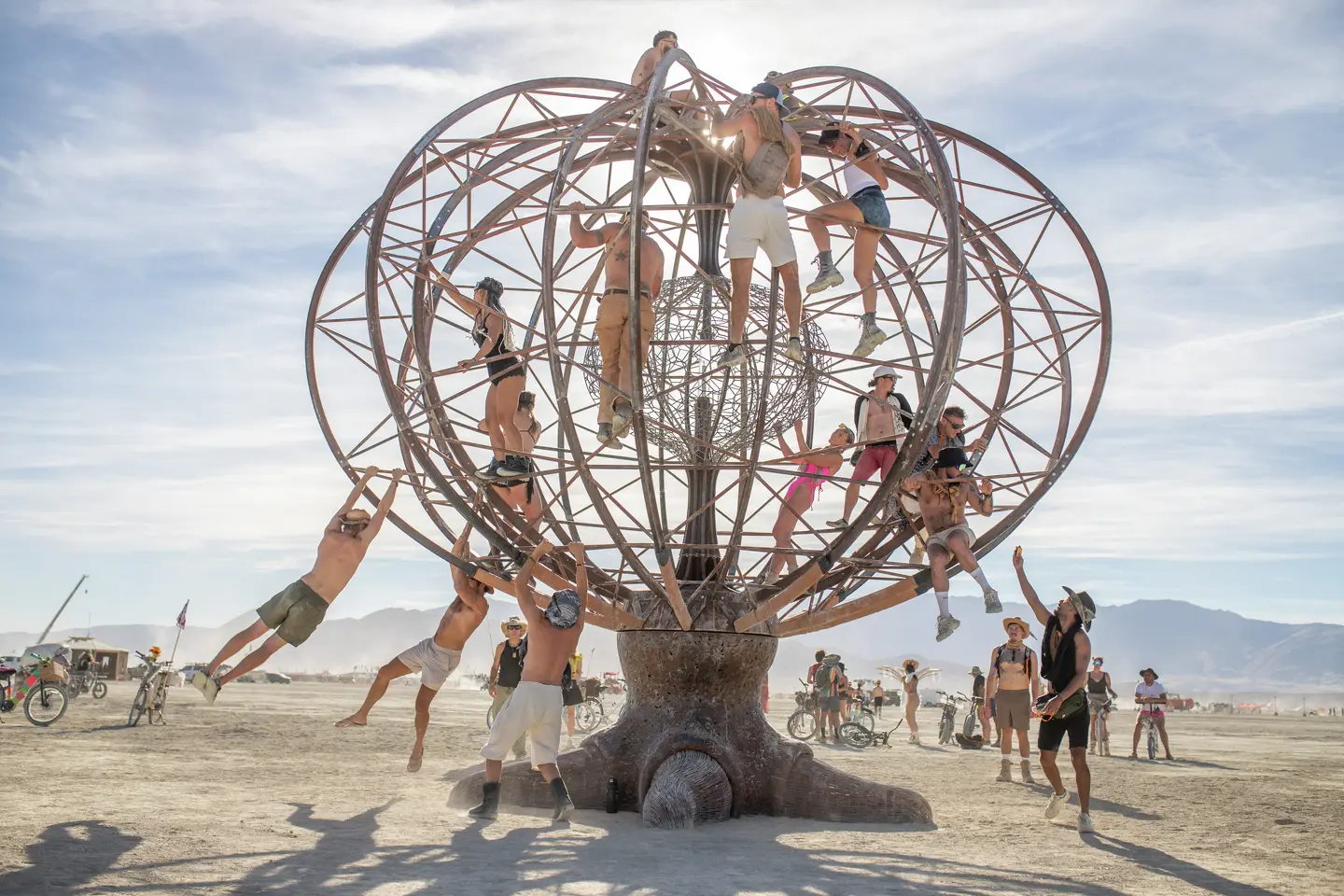
2026 Burning Man special report covering the "Axis Mundi" theme, 8 core art installations, key event timeline, gear protection in extreme environments, golden shooting windows, post-processing workflow, media rules and photography ethics, survival and health guide, cultural history, and regional planning, with a concluding reflection.
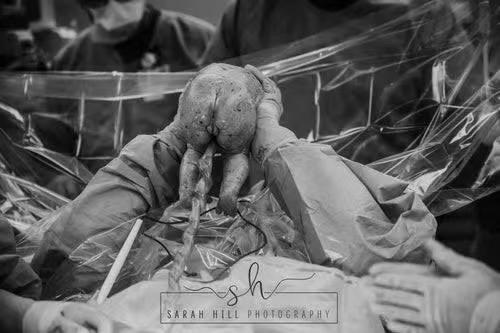
This note analyzes the visual tension in that iconic body of work, traces Sarah Hill's four-stage brand evolution from Lightroom presets to her own apparel label Sarah Hill Co, and distills her signature methodology: "Prompting over Posing."
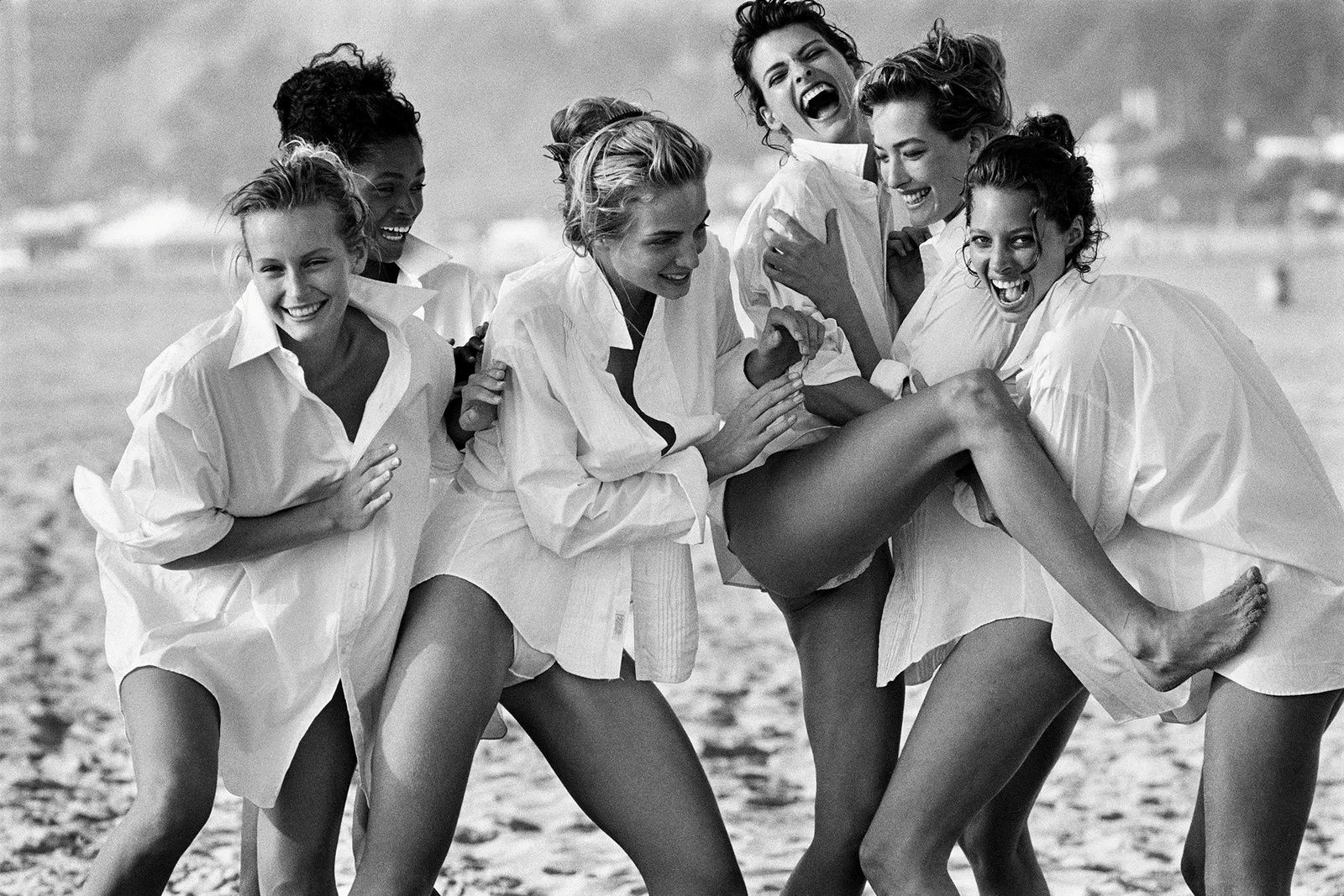
In an era dominated by algorithms and filters, "True to You" photography is a systematic rebellion against aesthetic homogenization.
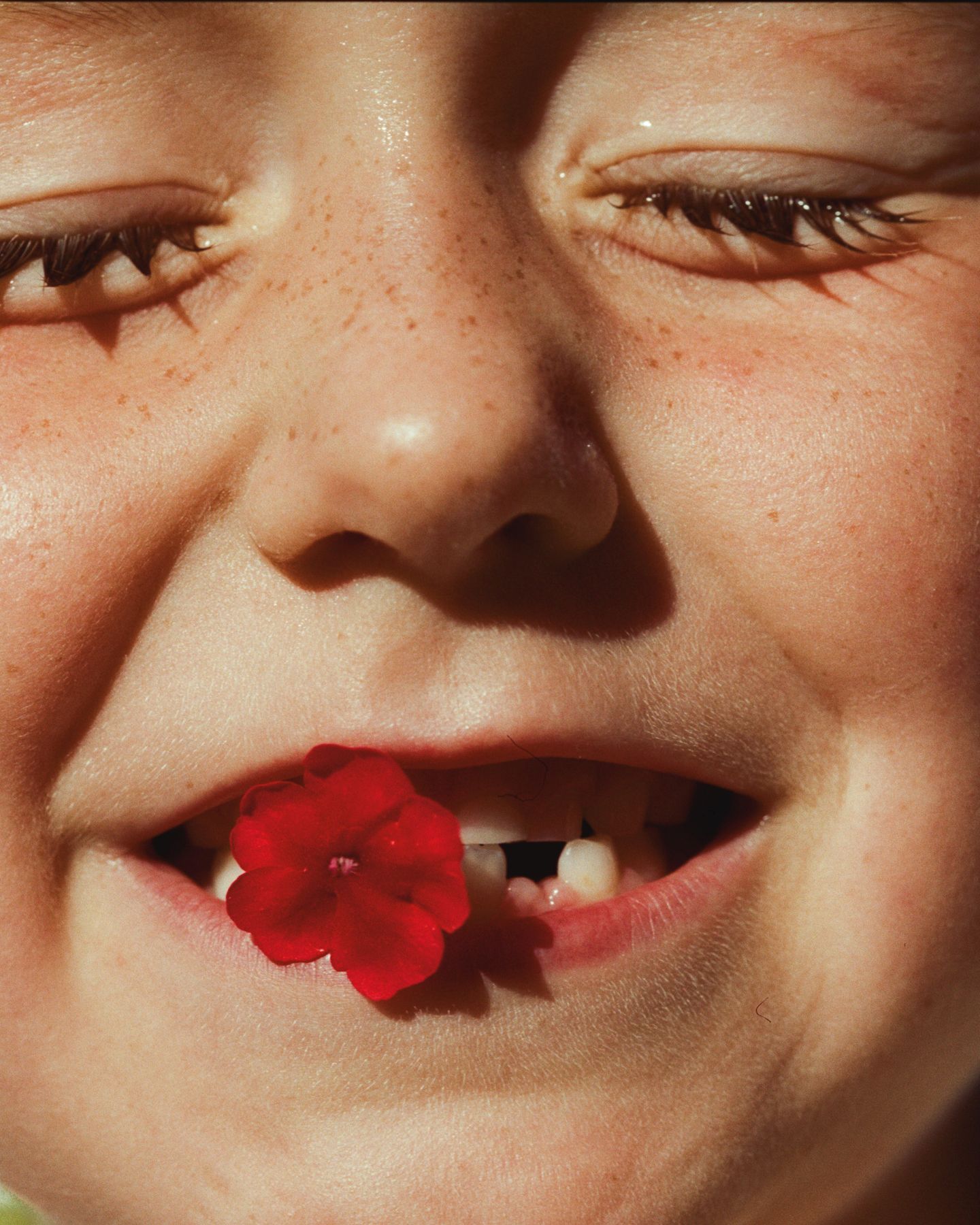
Alicia Sánchez Cabañes is a Spanish photographer and marine biologist based in Lörrach, southern Germany, working across the Dreiländereck region where Germany, France, and Switzerland meet. In 2026, her series *The Milky Days* earned her IPA's People Photographer of the Year and a Jury Top 5 spot; she is also an Analog Sparks Awards (2025) laureate, with work featured on PhotoVogue and in *Heartful Magazine*.
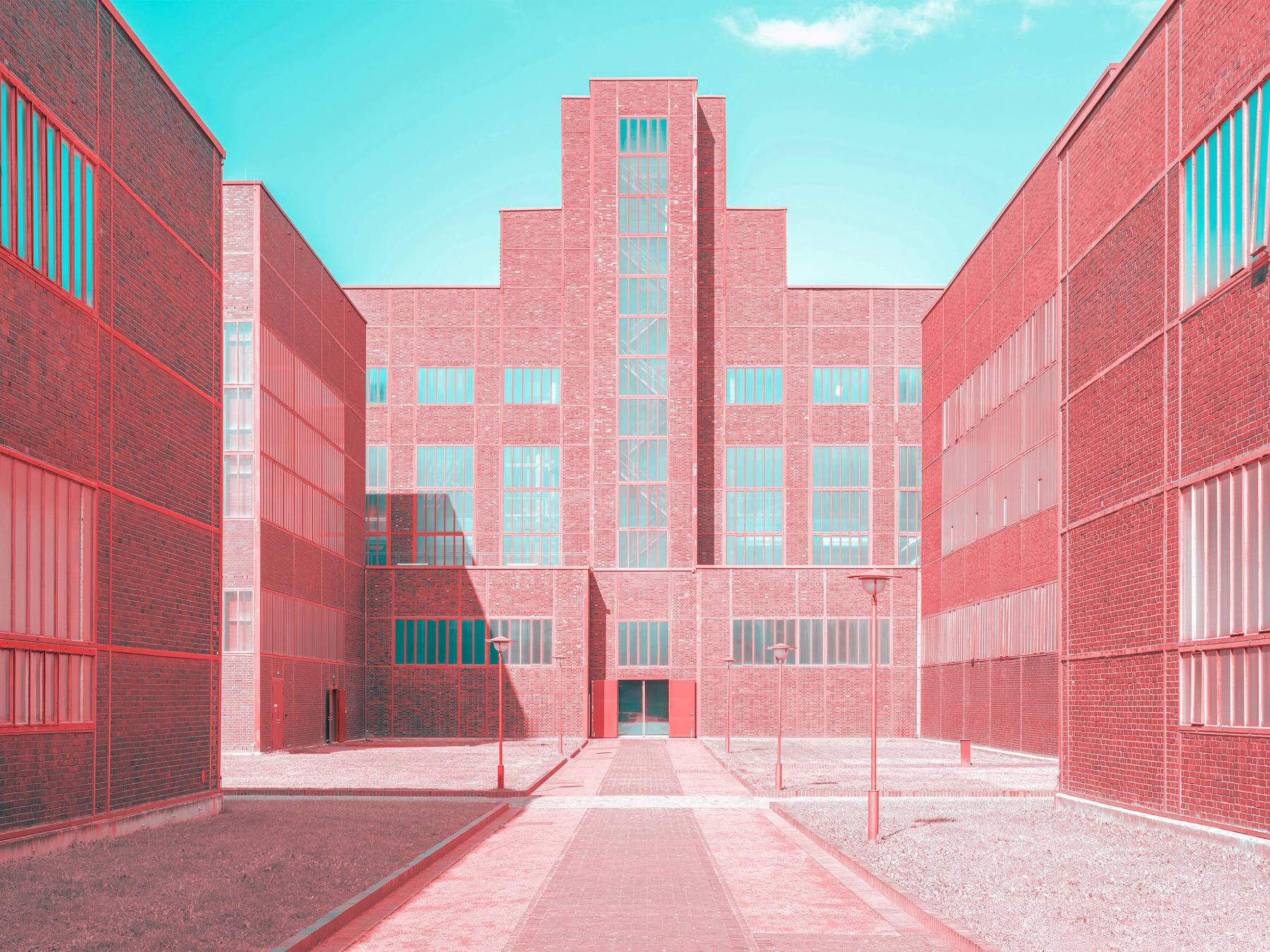
This article examines the career and artistic philosophy of Italian photographer Gianluca Santoni, tracing his evolution from photojournalism toward fine art practice.
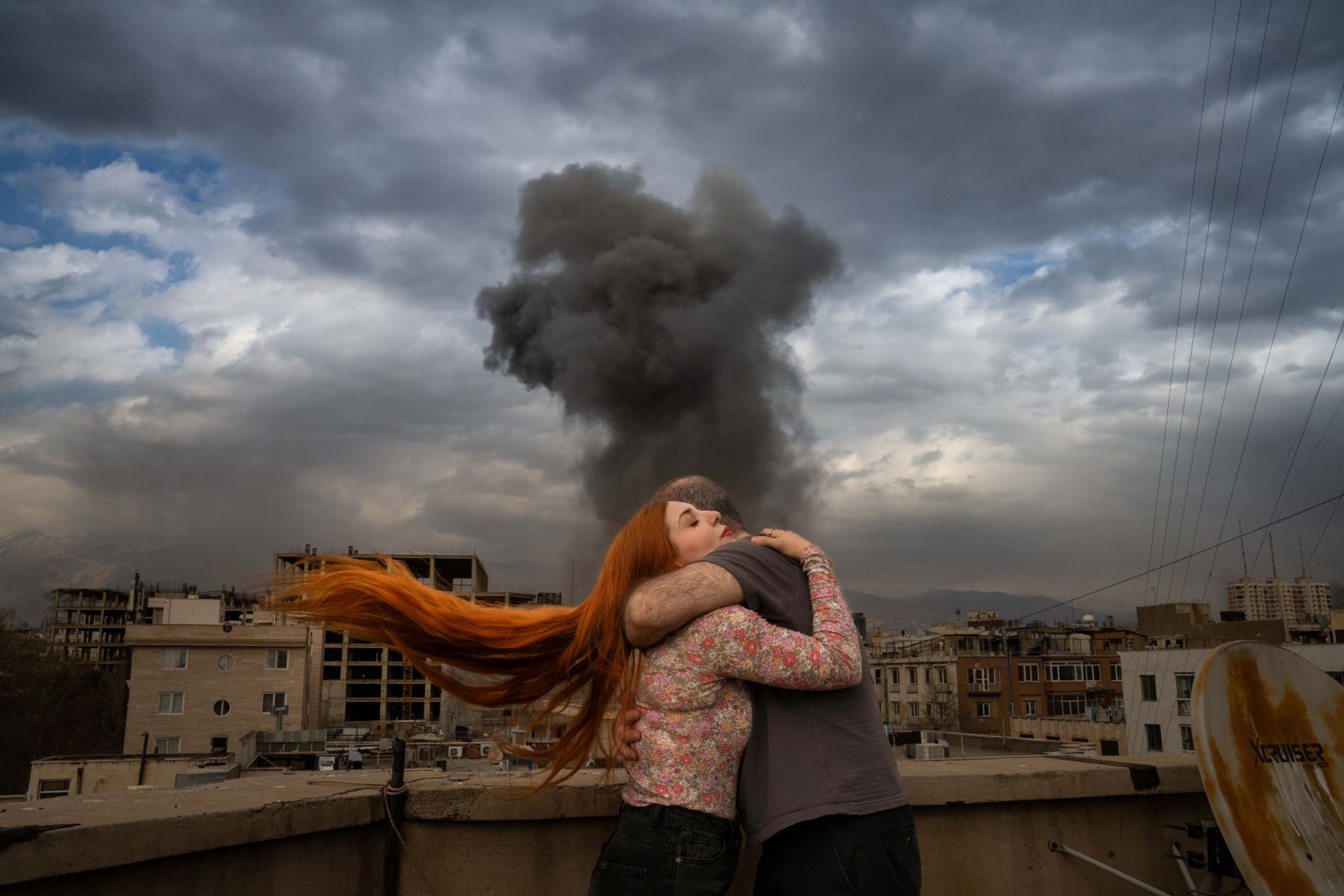
This article examines Maryam Saeedpoor, the 2026 IPA Fine Art Photographer of the Year, with an in-depth analysis of her award-winning series *Painful hug*.
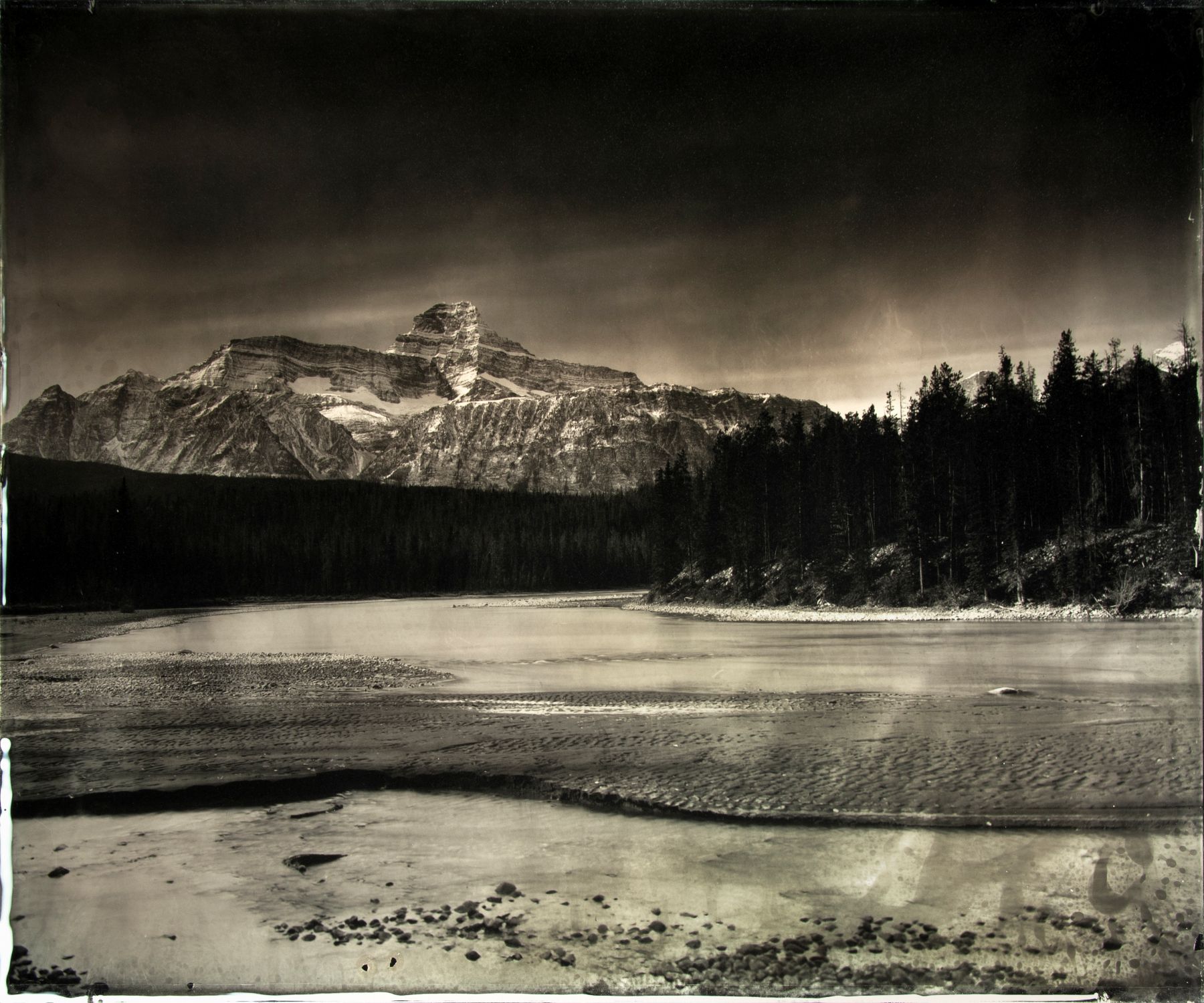
Canadian photographer Bill Hao spent two years handcrafting a 50kg oak camera, converted a tour bus into a mobile darkroom, and ventures alone into the Rocky Mountains.
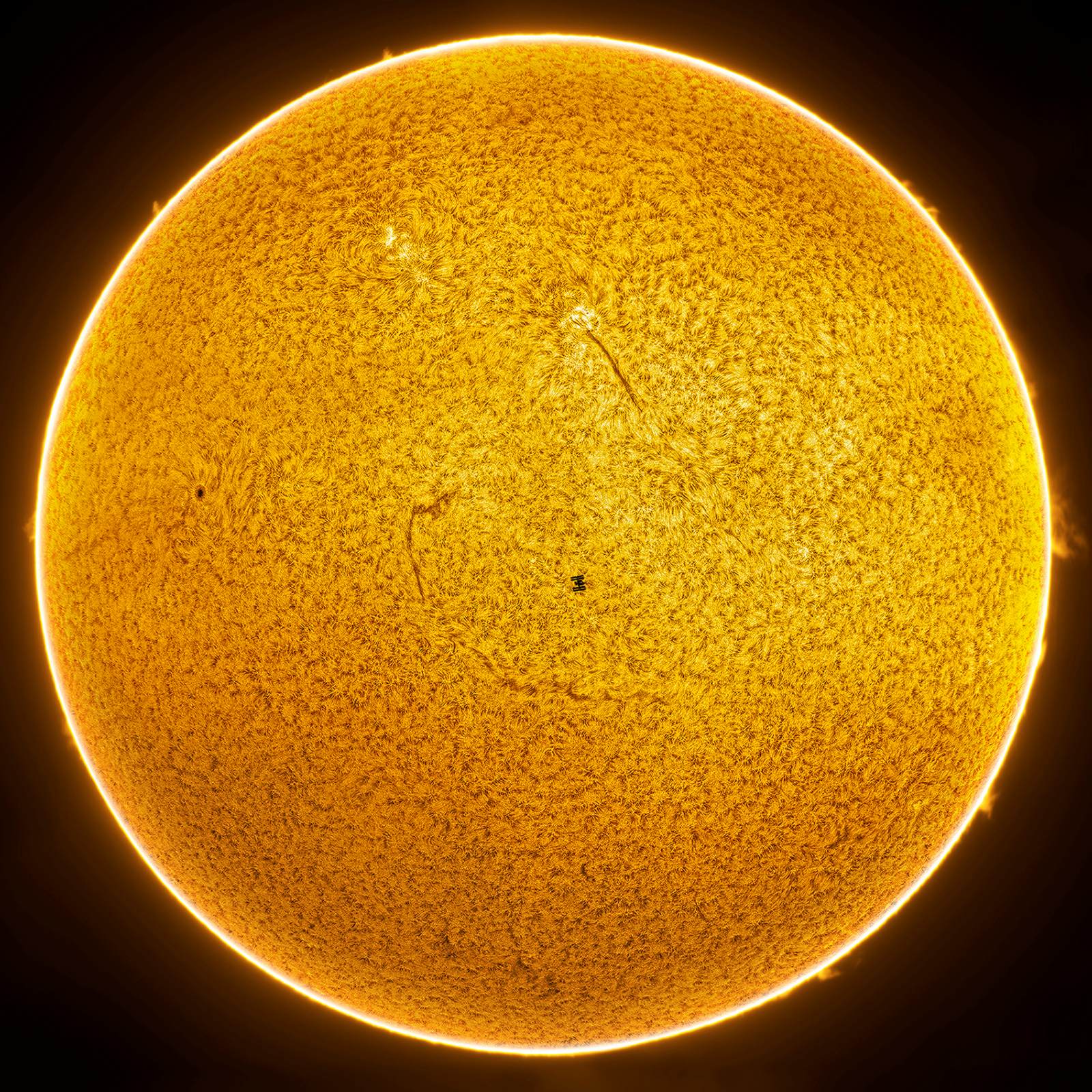
This article presents an in-depth study of Danish astrophotographer Jakob Andersen, awarded the IPA Nature Photographer of the Year for *Ground control to Major Tom*
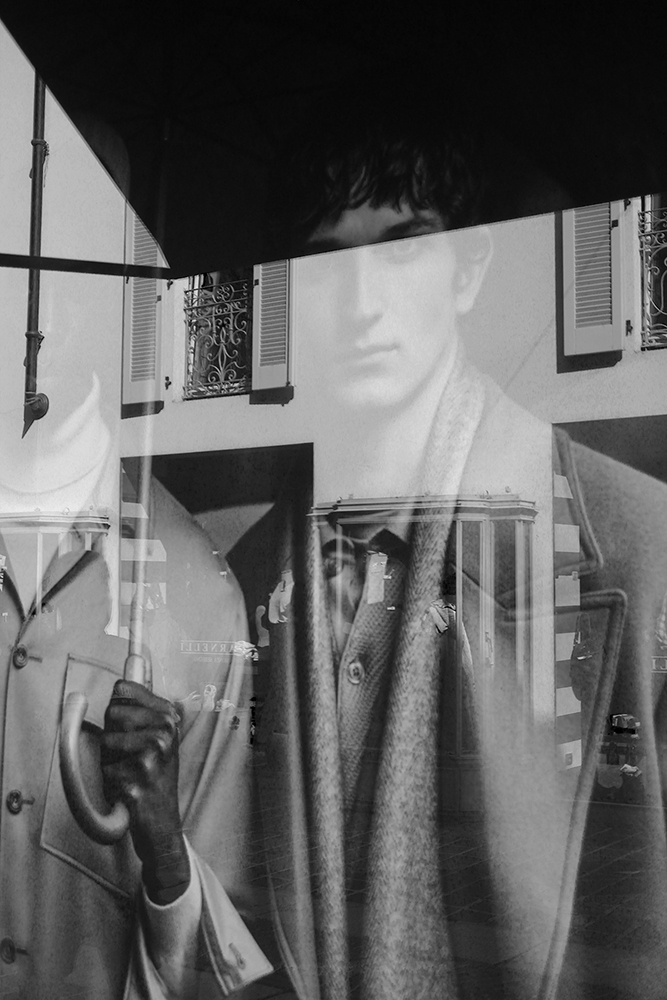
Patrizia Pezzino is an Italian contemporary photographic artist based in Cardano al Campo, Lombardy, and a graduate of CFP Bauer di Milano.
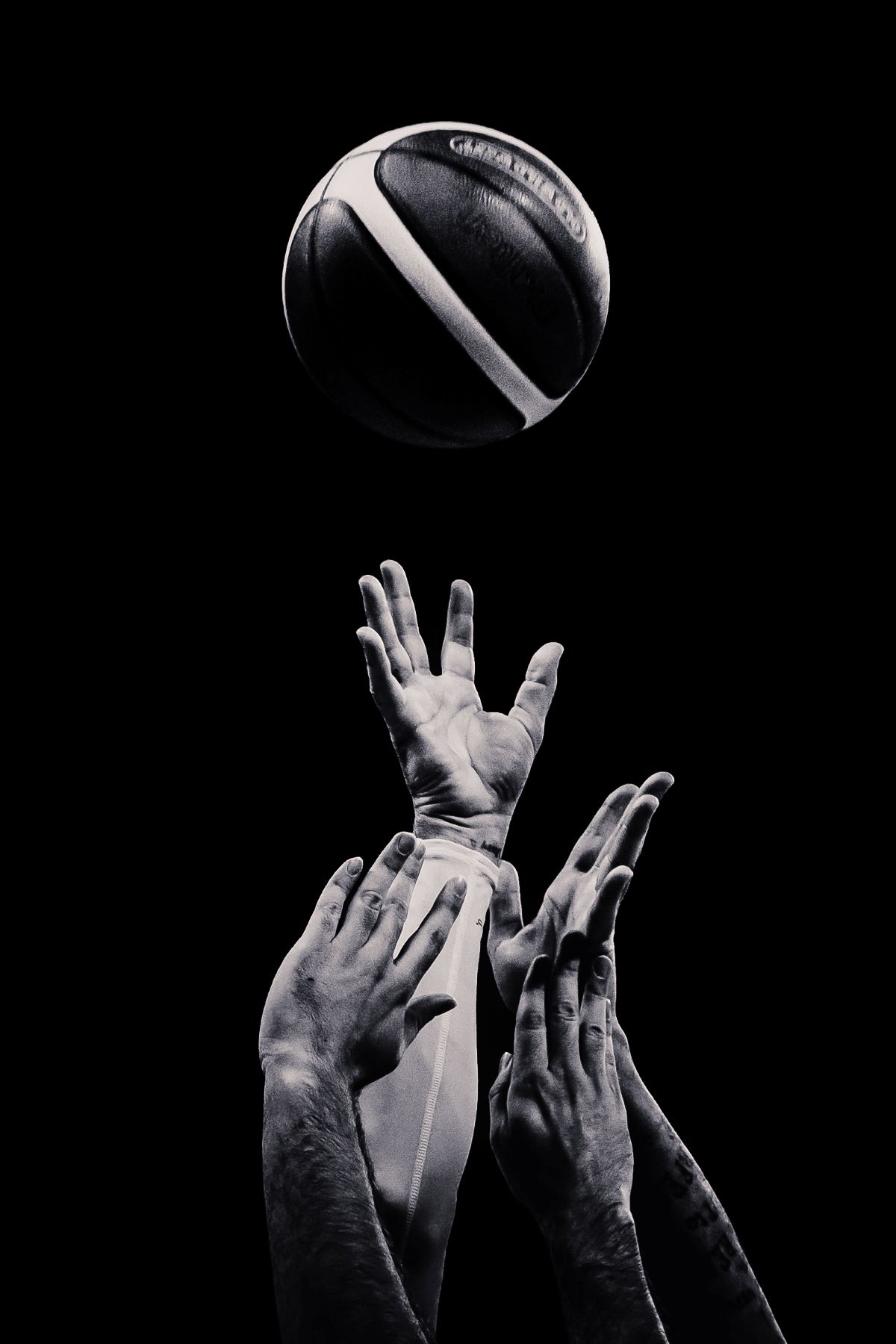
This study examines Italian photographer Davide Bastianelli and his IPA Professional "Sports Photographer of the Year" winning series *Momentum*.
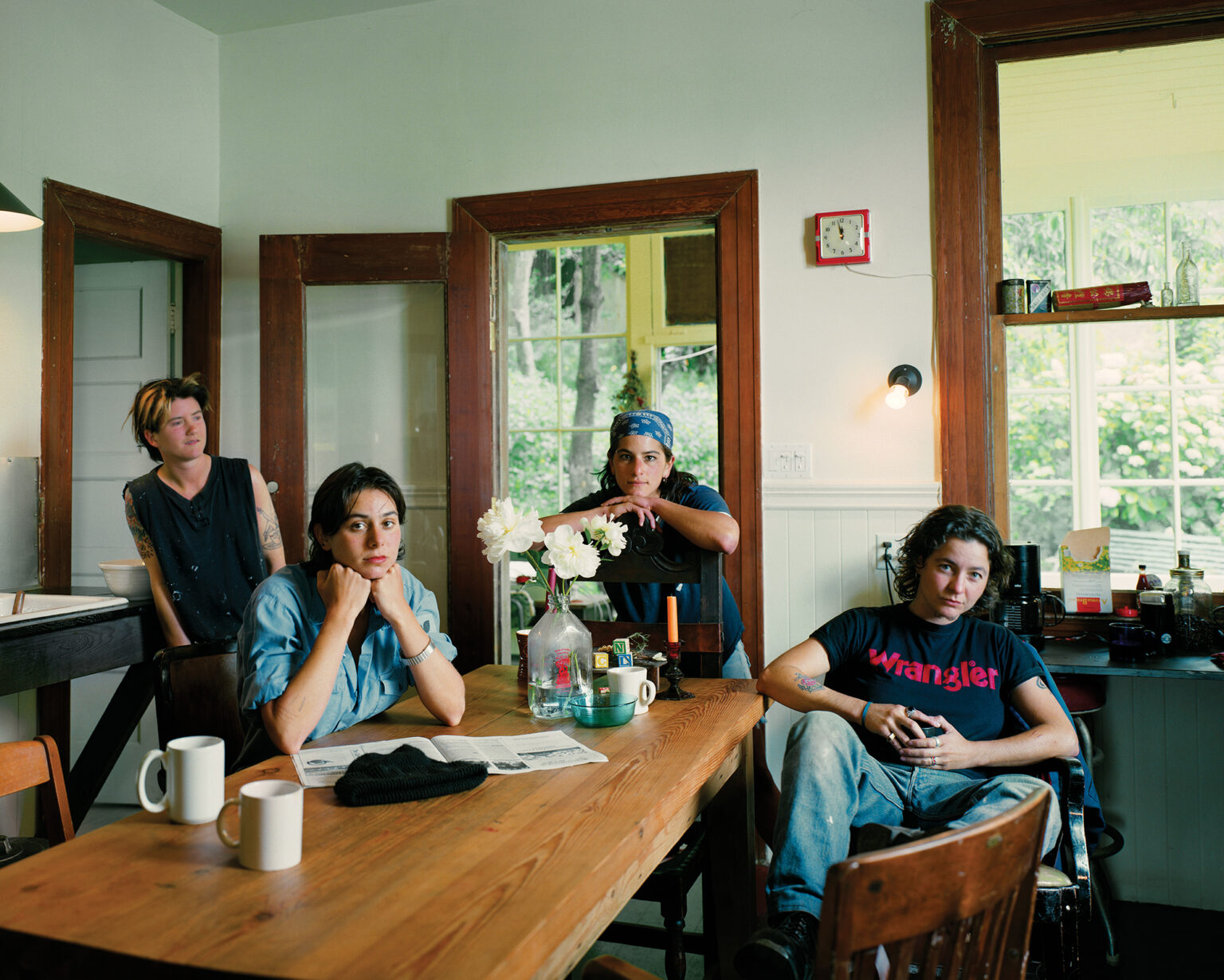
Drawing on thirty-two years of teaching photography, Catherine Opie describes the classroom as a collective space shaped by inquiry, curiosity, and exchange. Her new book reflects on mentorship, influence, ethics, artistic endurance, and the vital role of independent art schools.
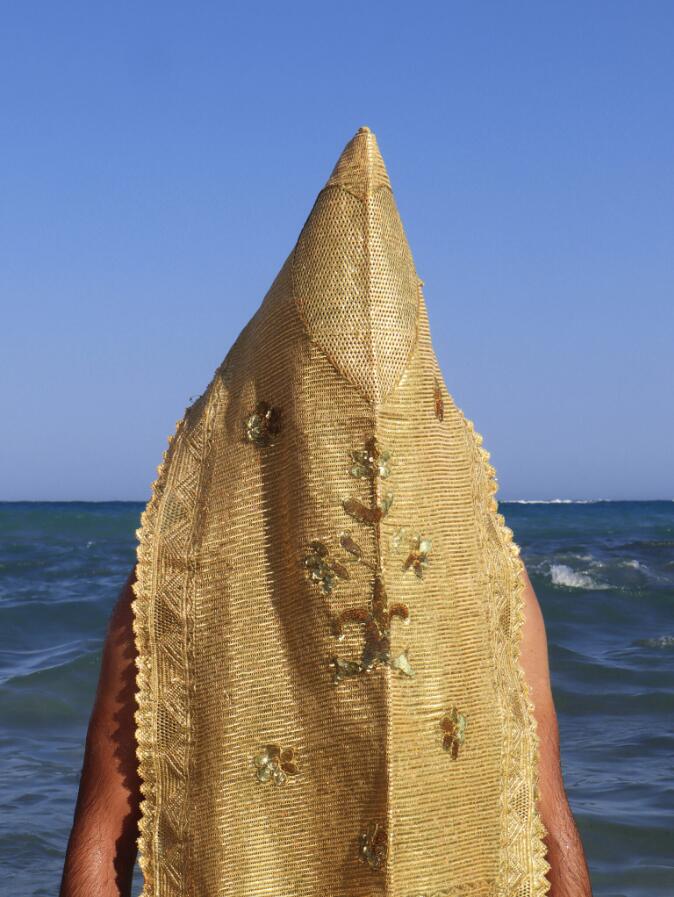
At Rencontres d’Arles, seven artists work with photography, text, film, textiles, and AI to examine colonial histories, family memory, identity, and tradition—revealing how images can interrogate truth, negotiate memory, and challenge dominant
Seven experiments suggest that taking photos and screenshots may impair memory, possibly due to cognitive offloading. The findings raise questions about what we retain—and what we lose—when phones preserve experiences for us.
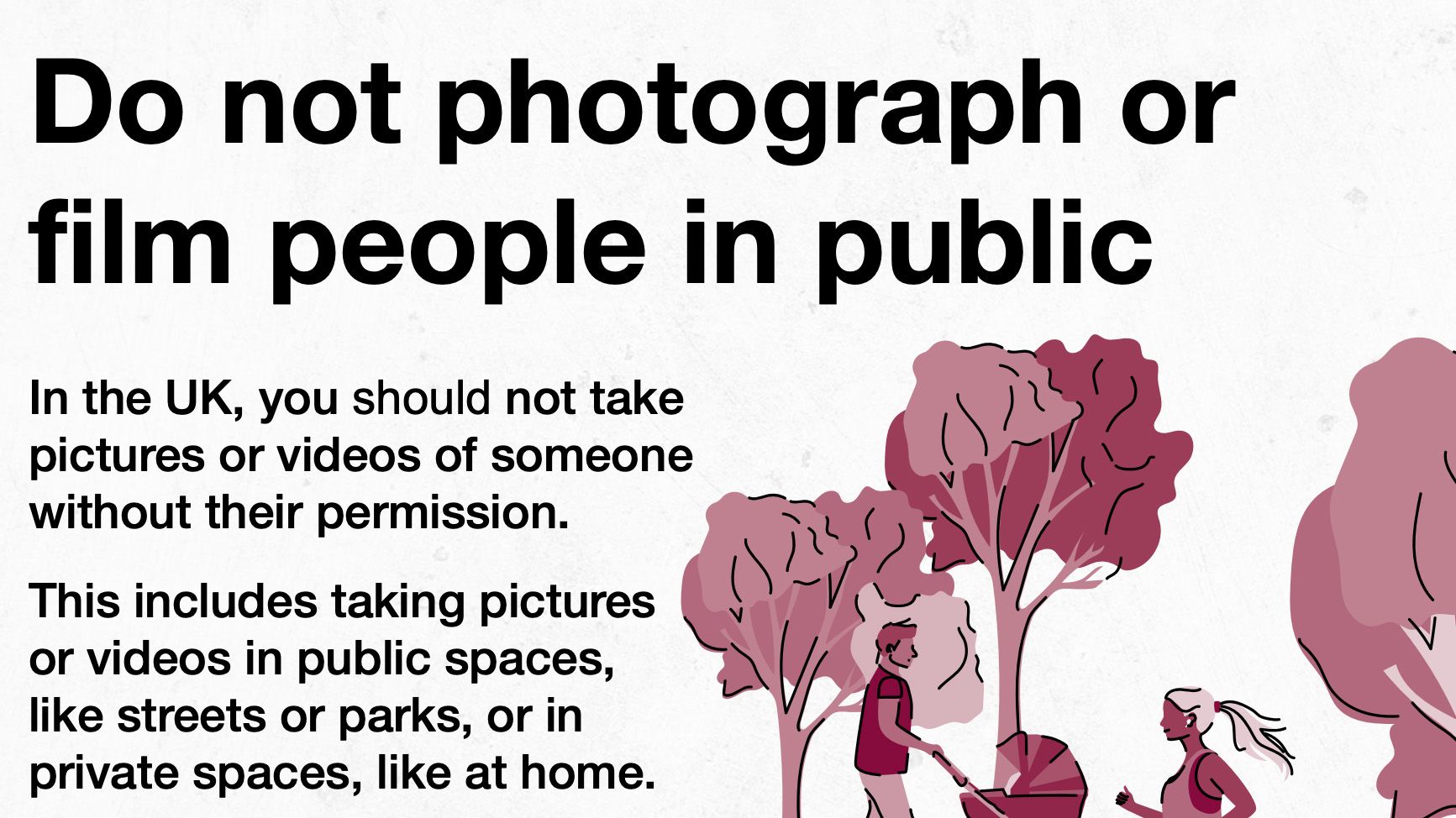
A UK Home Office pamphlet suggests that photographing people in public without permission could lead to arrest—contradicting police guidance. This piece outlines the legal basics, ethical boundaries, and how such messaging can discourage street photography.
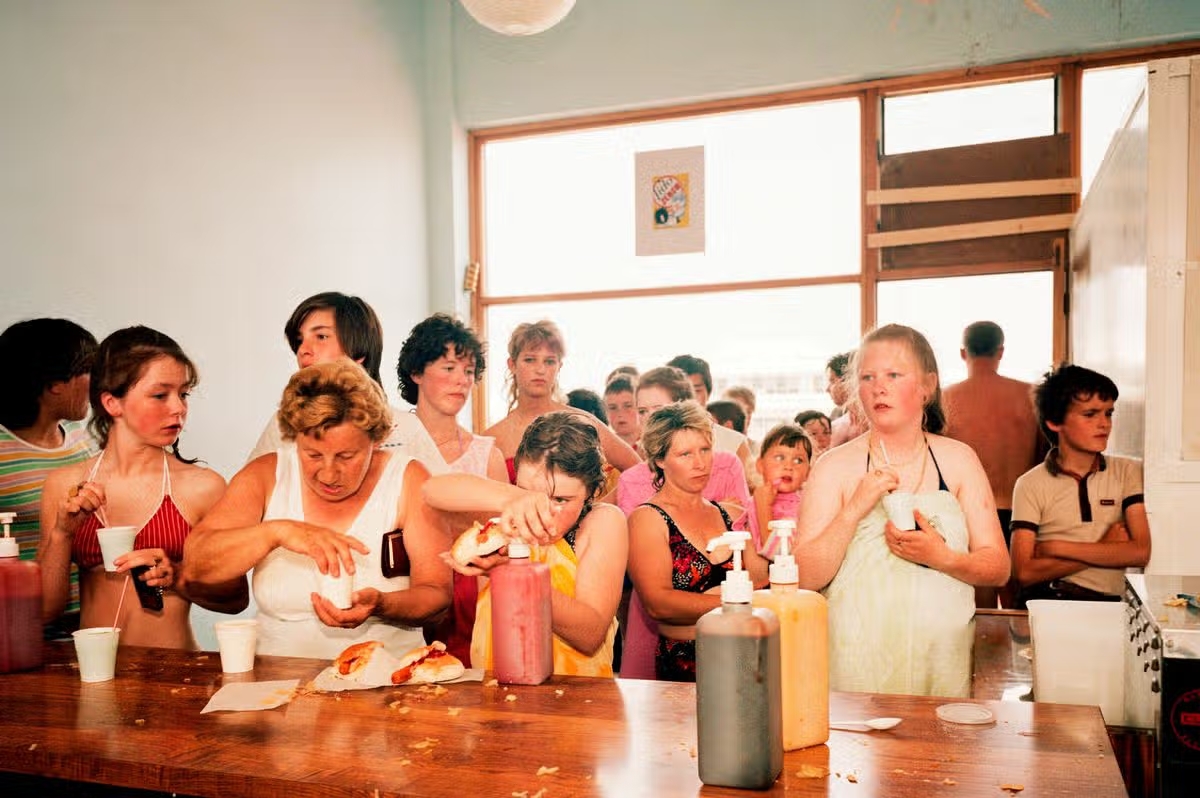
New Brighton is commissioning a permanent seafront mural to honor photographer Martin Parr and his iconic series The Last Resort. Developed in partnership with the Martin Parr Foundation, the project contextualizes the series' contested reception and its enduring significance in local memory and British documentary photography history.
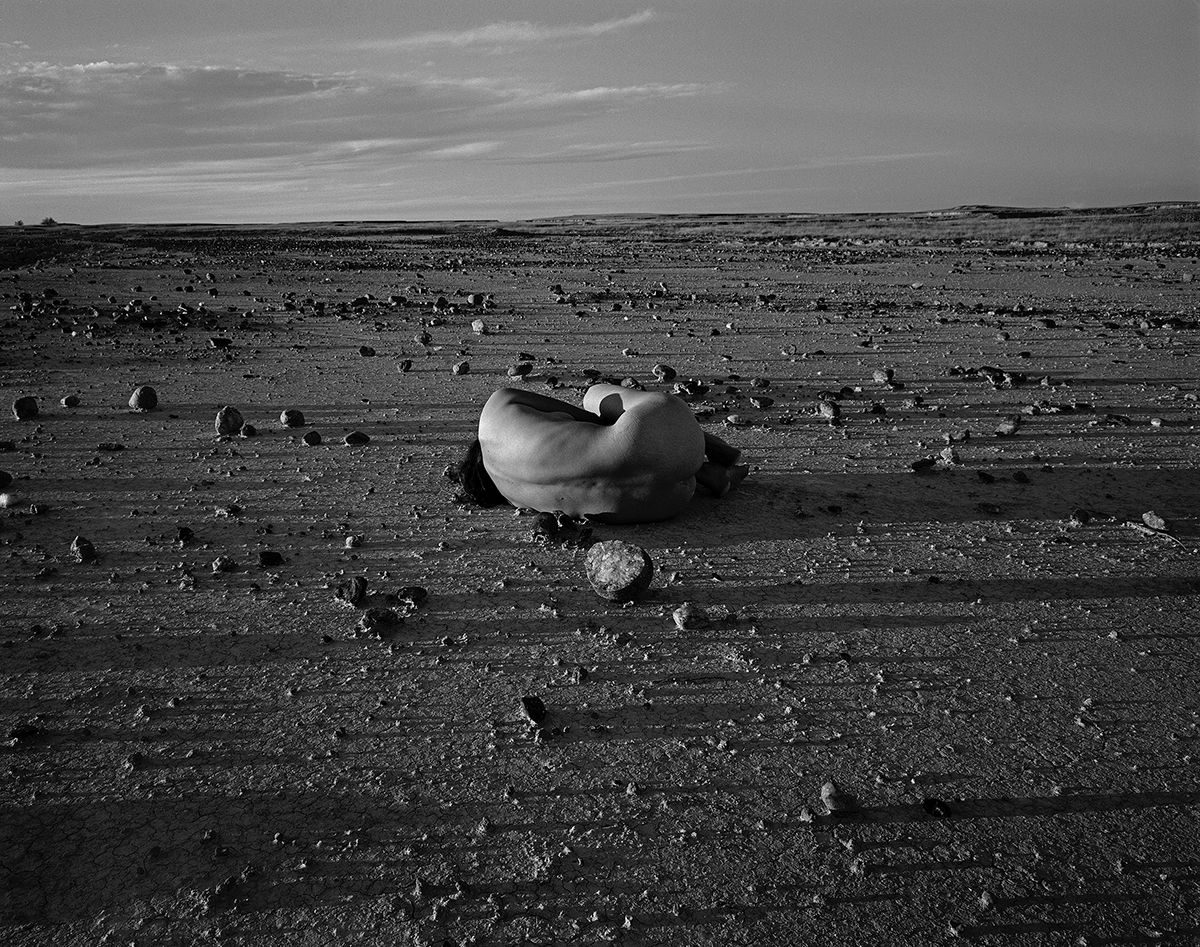
The Bancroft Library’s acquisition of Judy Dater’s archive spans more than five decades of image-making—from her West Coast mentors and friendships to an empathetic portrait practice grounded in trust, light, and human connection.
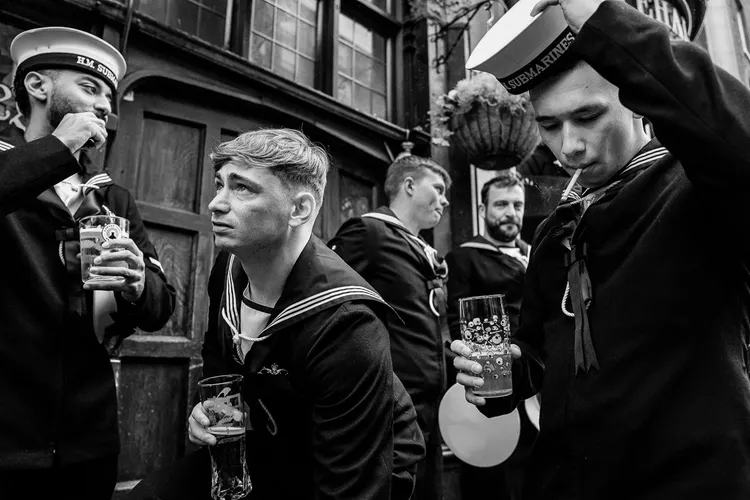
Chris Mozyro’s award-winning street photograph captures young submariners sharing drinks after a solemn remembrance ceremony. With a natural composition and emotional honesty, it highlights the shift from duty to friendship—and helped the image stand out among 1,582 entries.
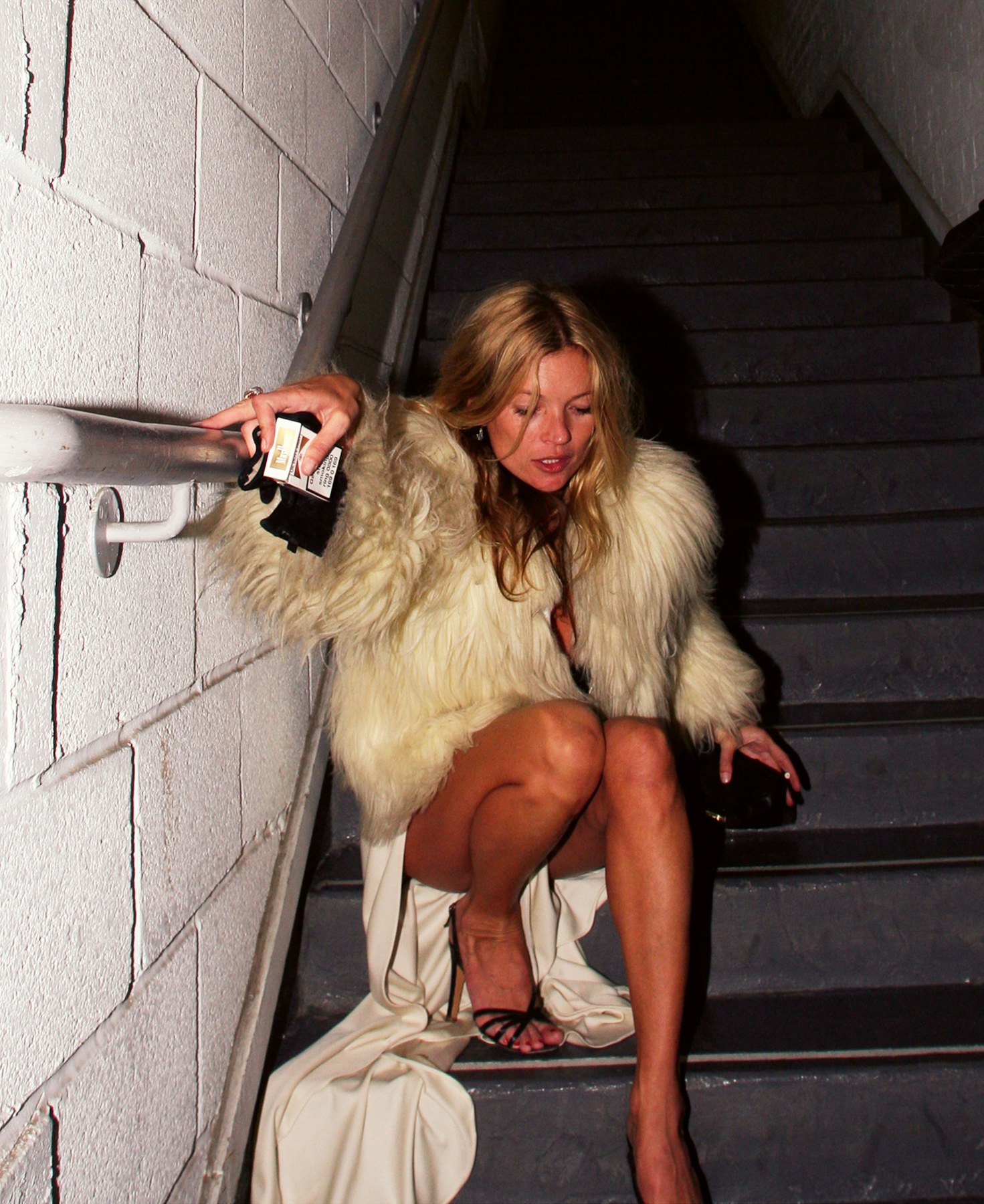
In *The Big Shot*, veteran press photographer Greg Brennan pairs more than 100 celebrity images with their backstories, showing how photographs can be misread when stripped of context. Kate Moss’s staircase portrait is the book’s clearest example.
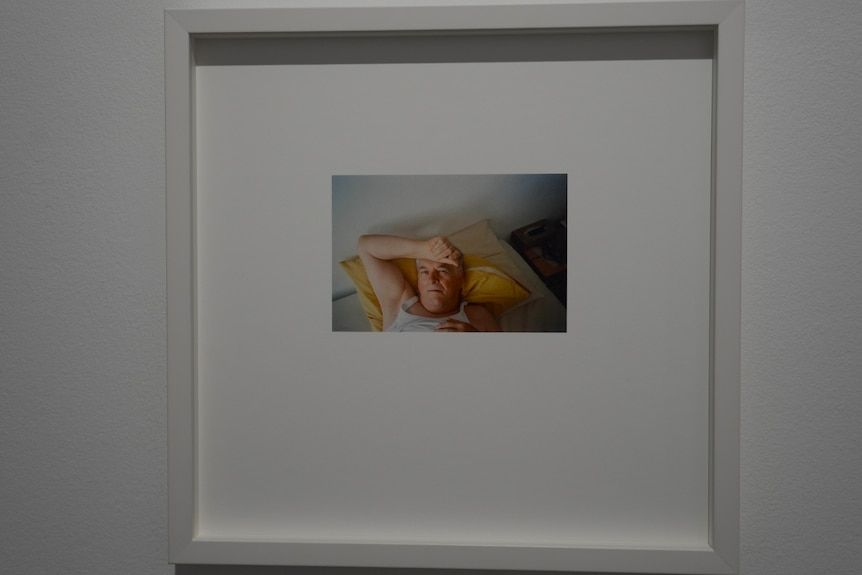
Paul Knight won the 2026 National Photography Prize and $40,000 for Chamber Music, a series on everyday intimacy with his partner Peter. The article also covers the 12 finalists, Morgan Hogg’s Emerging Artist Award, and MAMA’s photographic legacy.
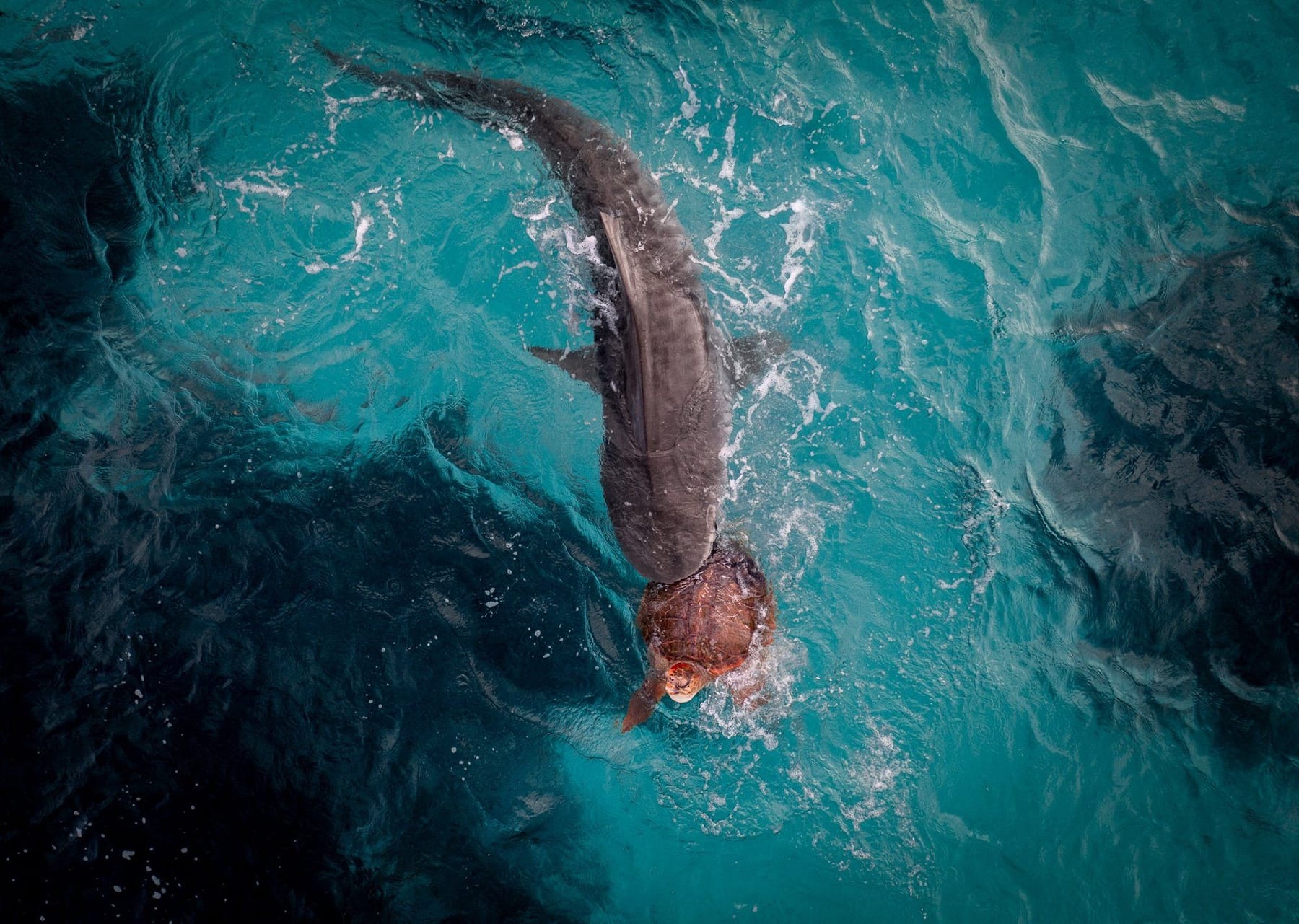
From ocean predation and migrating birds to volcanic steam and desert solitude, 16 award-winning aerial photographs reveal Earth’s hidden patterns, beauty, and brutality—and ask what it means to see the world from a god’s-eye view.
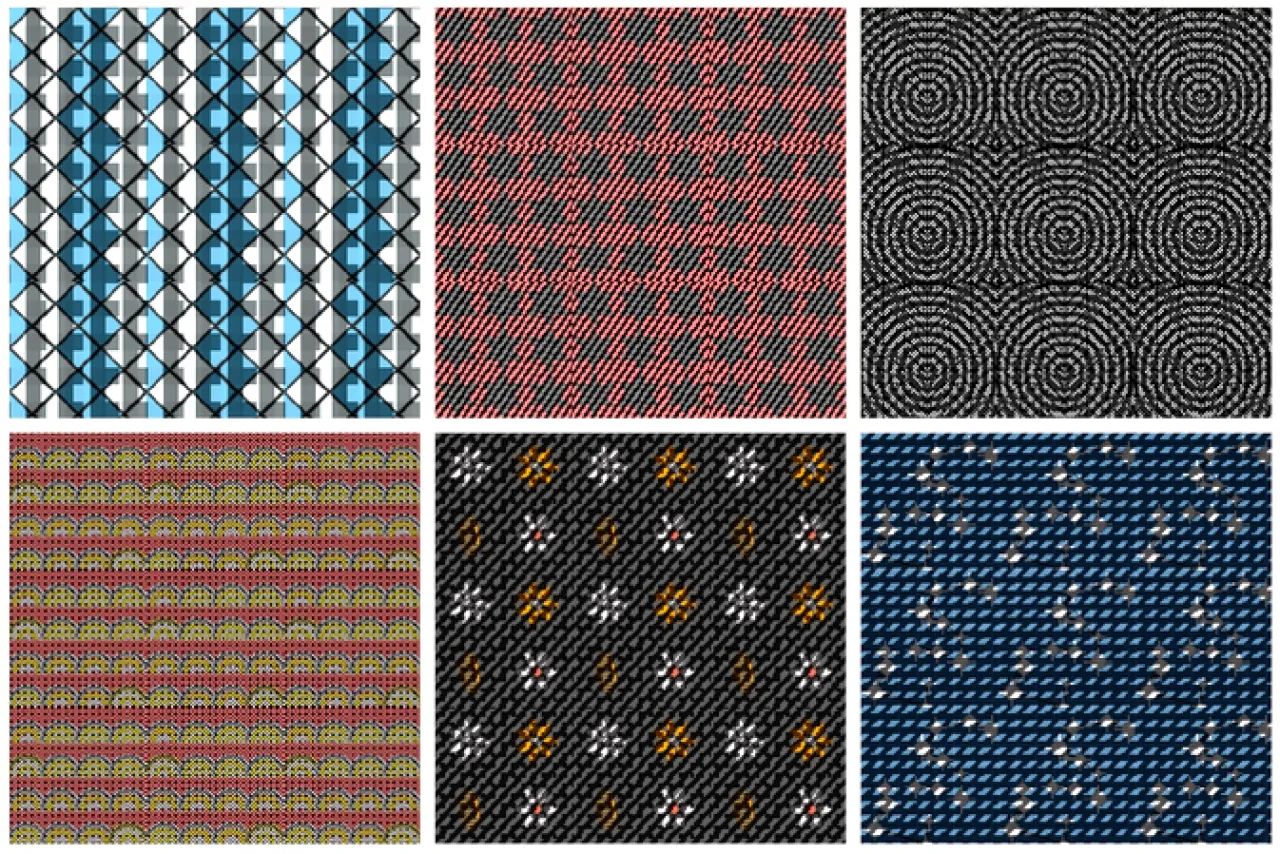
After some 31 million tests, Bill Swearingen developed adversarial patterns for clothing and vehicles that confuse surveillance cameras, license-plate readers, and facial-recognition systems—raising questions about algorithmic monitoring, public space, and privacy.
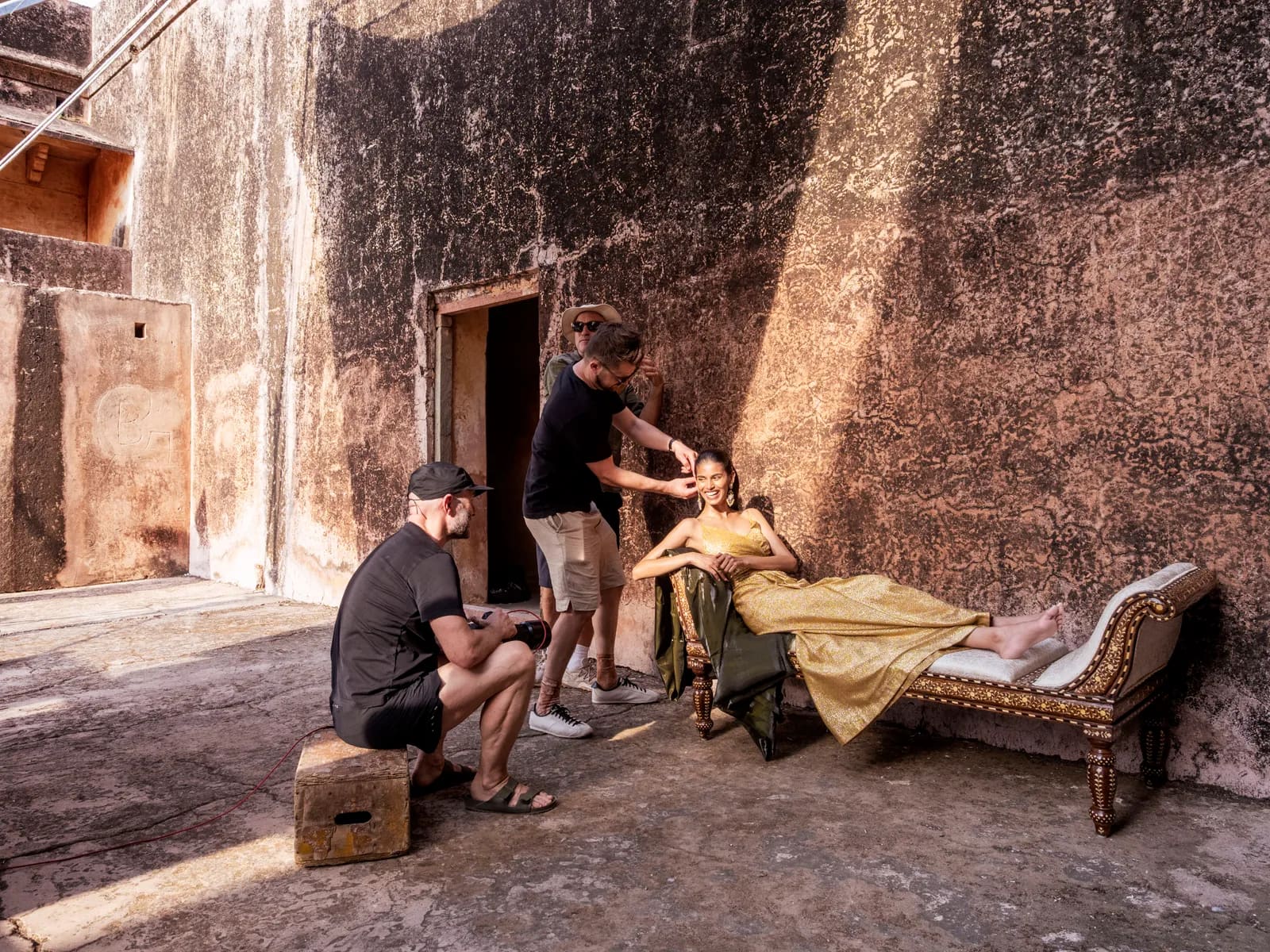
Pirelli’s 2027 Calendar turns to India for the first time. Photographed by Sølve Sundsbø and Avani Rai, it blends Raghu Rai’s archive with contemporary scenes and South Asian women’s stories to explore memory, identity, diversity, and life beyond stereotype.
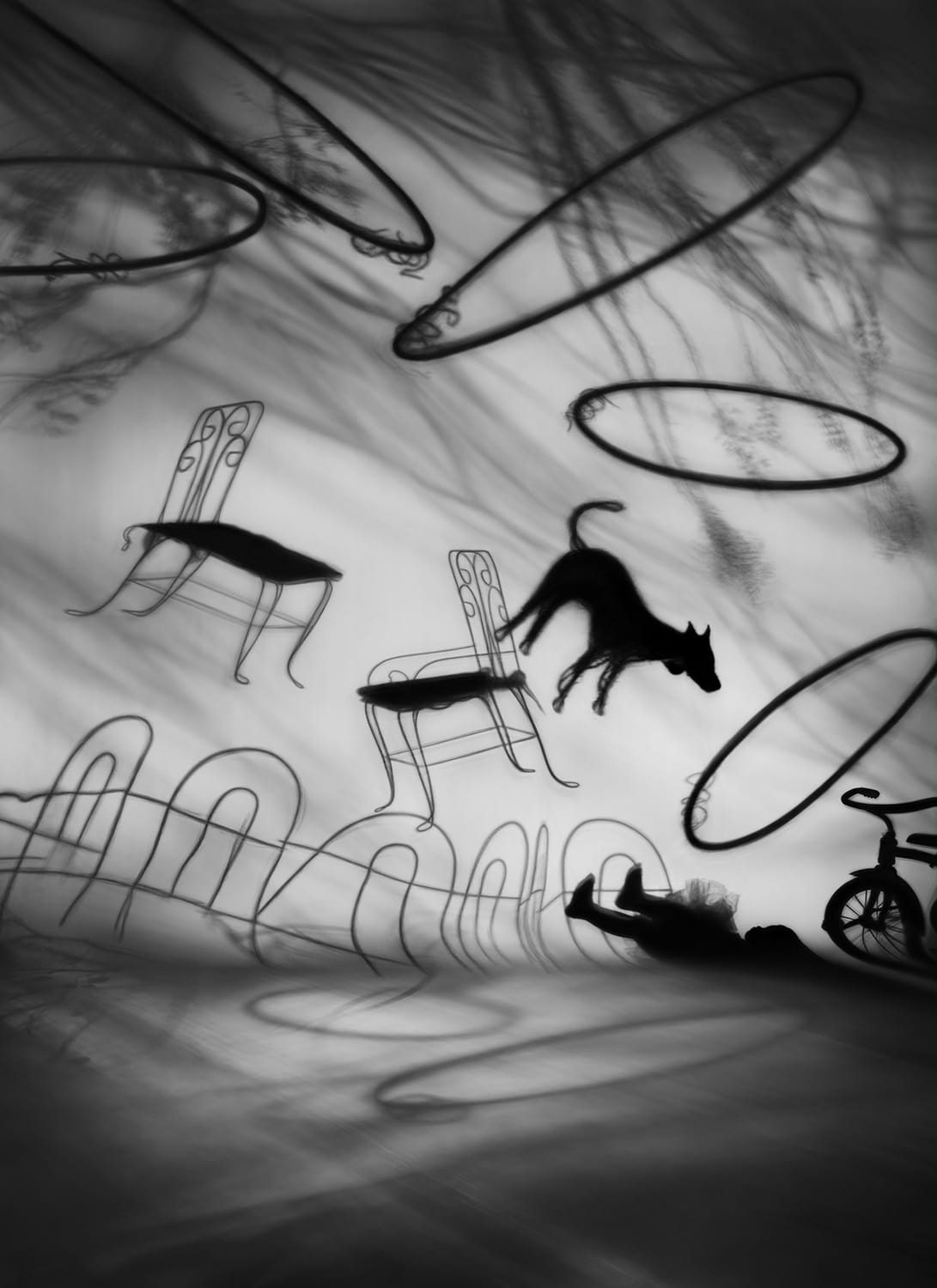
Susan Kae Grant’s forthcoming photobook Night Journey gathers nearly 100 enigmatic black-and-white scenes. Rooted in two decades of work and sleep-lab research, its silhouettes, animals, children, and strange creatures explore dreams and the unconscious.
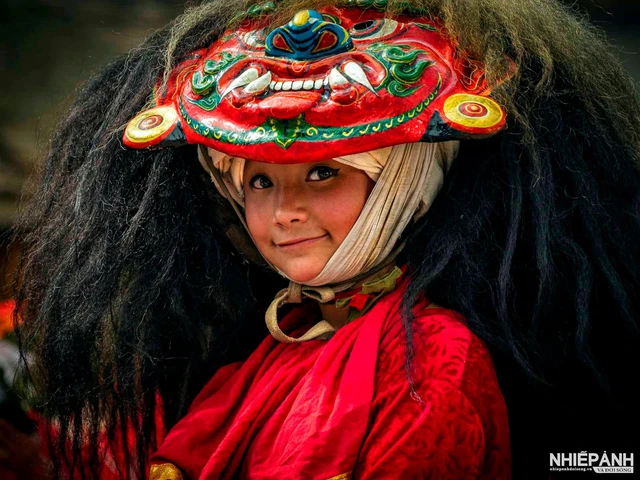
The fourth International Art Photography Contest in Ho Chi Minh City is open worldwide until October 15, 2026. Backed by FIAP, PSA and VAPA, it bans AI-generated images, features four digital categories and offers 107 awards.
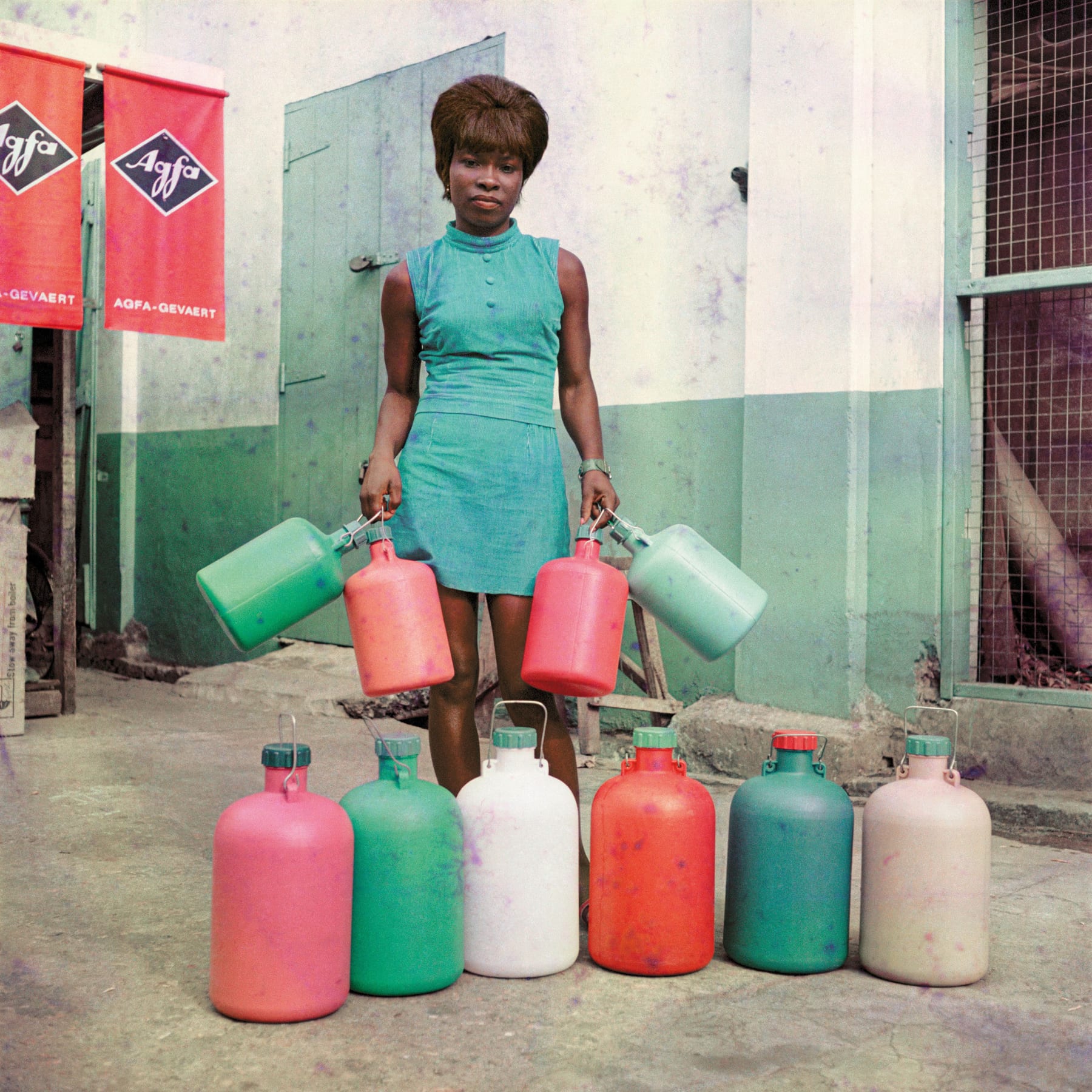
What is photography? Rather than offer yet another definition, this new book traces the medium from 1826 to 2026, linking landmark images, technical breakthroughs, and cultural debates to show how photography has continually reshaped the world—and itself.
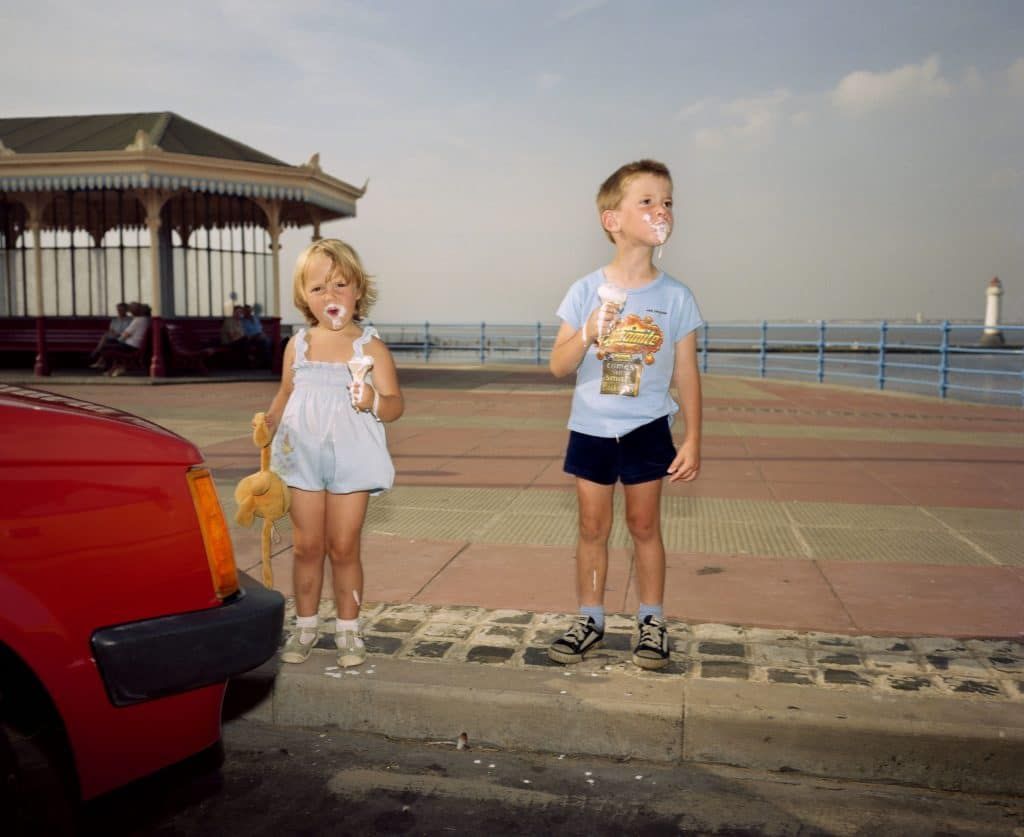
The 2026 La Gacilly–Baden Photo Festival brings some 1,500 open-air images to Baden, led by Don McCullin, Martin Parr, and other British voices. Across city and garden routes, it explores war, society, ecology, peace, and photography’s bicentennial.

Ishiuchi Miyako’s Traces explores how history and memory endure in bodies, scars, clothing, objects, and places—from postwar Japan and her mother’s belongings to the kimonos worn by Hiroshima’s victims.
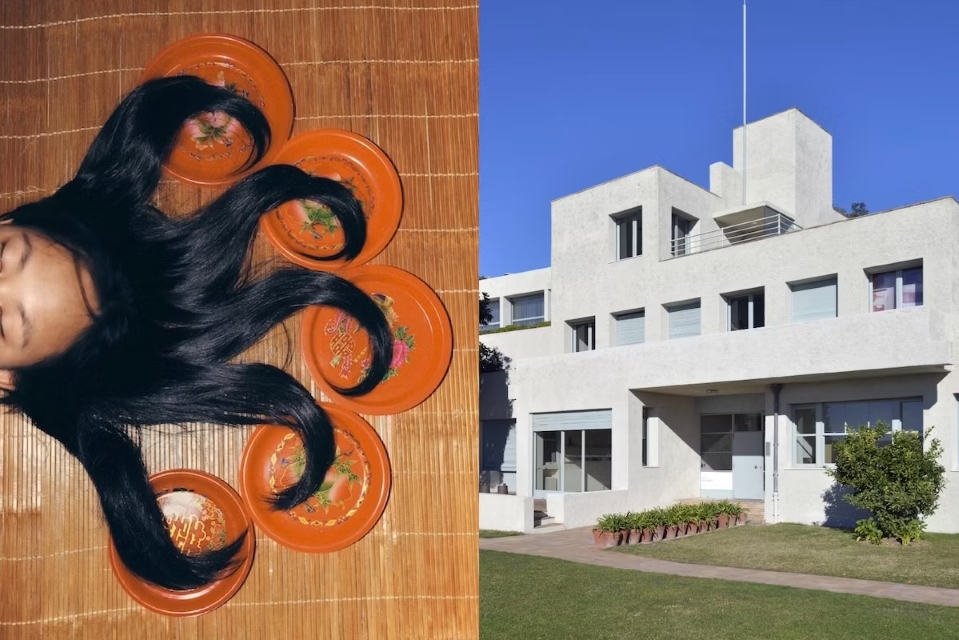
Pull&Bear has launched a €20,000 fashion photography prize at the Festival de Hyères. Ten finalists will compete for cash, a brand commission, multi-platform promotion and a 2027 solo exhibition at Villa Noailles. The winner will be announced on October 17, 2026.
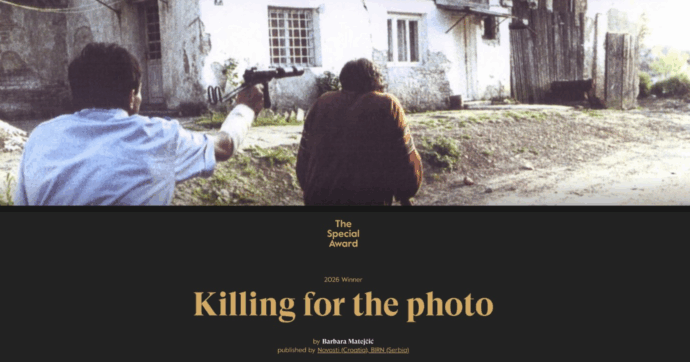
A 1993 World Press Photo-winning execution sequence is alleged to have resulted from a murder staged for the camera and carried a false caption for decades. Six journalist groups are seeking revocation and recognition for the victim’s family.
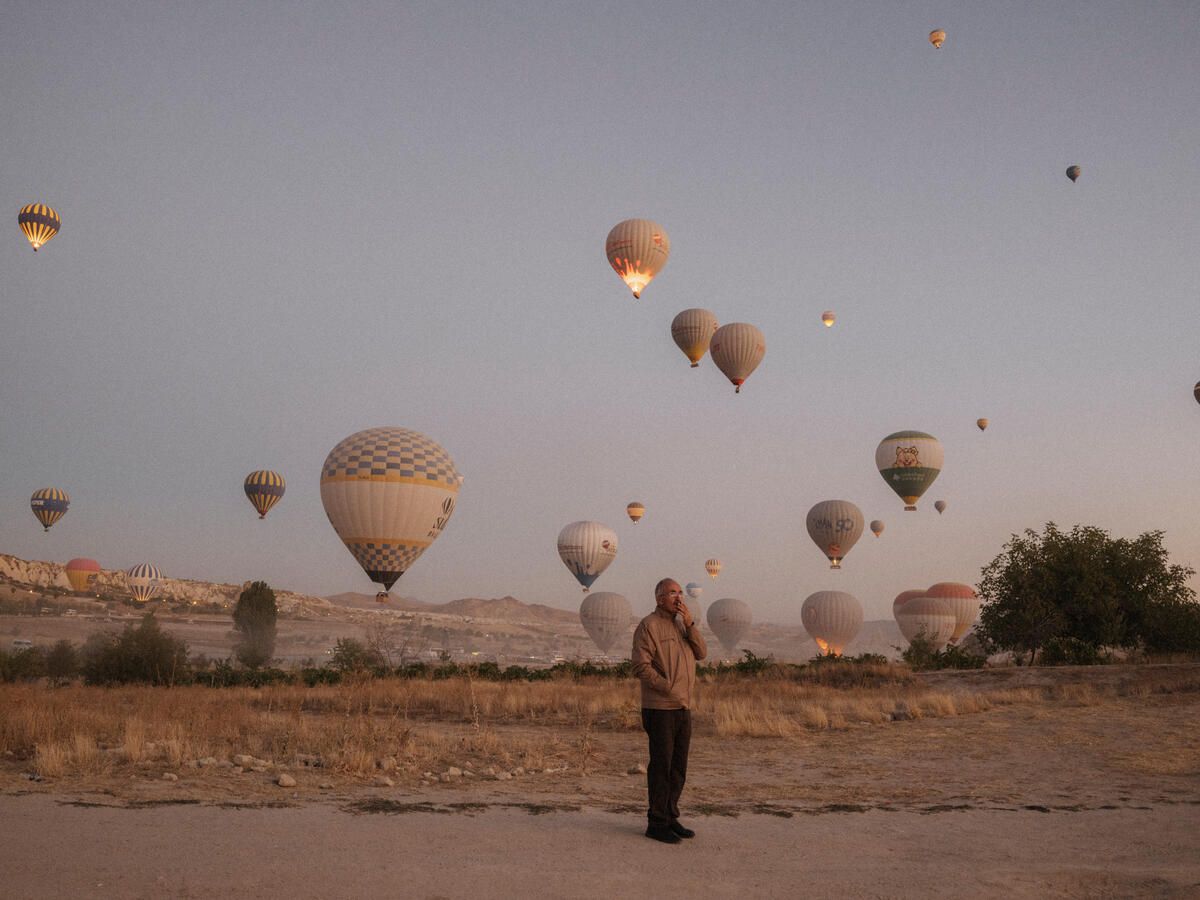
Emin Özmen returns to his birthplace of Cappadocia to lead a five-day workshop where photographers explore surreal landscapes and village life while developing documentary work through critique, editing, and sequencing—ultimately building a coherent visual narrative with stronger personal voice.
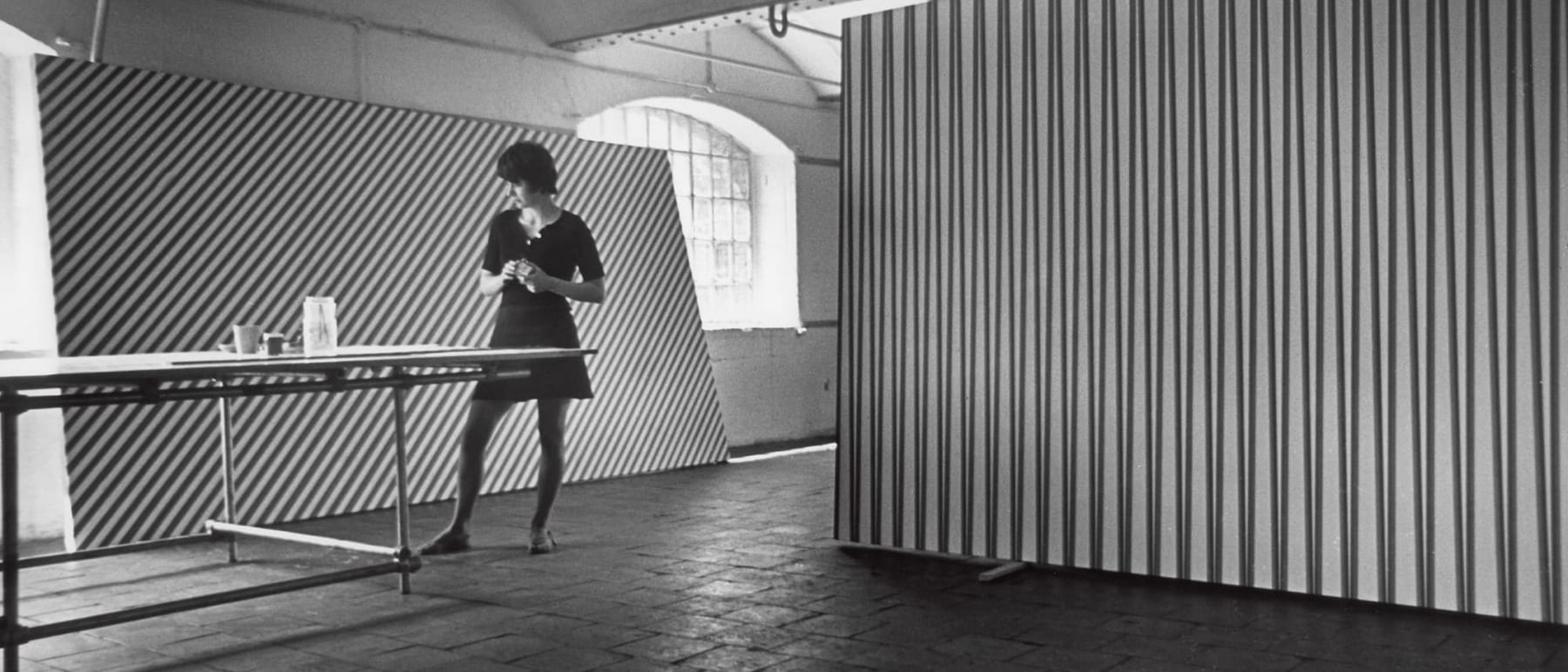
Dia’s new exhibition shows how the Op Art pioneer opened up new ways of seeing by stripping painting back to its essentials.
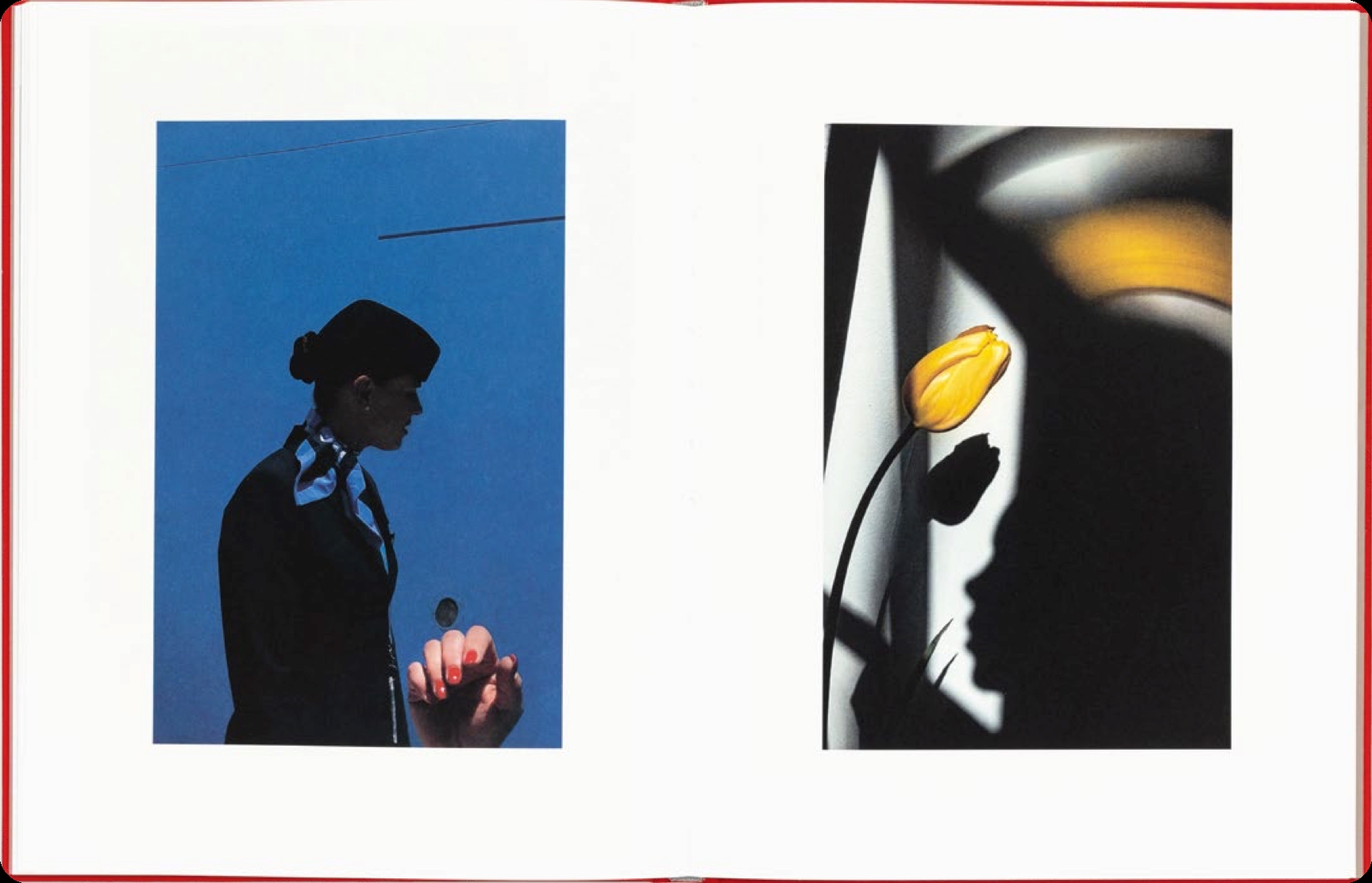
Spanning urban collage, queer modernism, political rupture, city abstraction, and inherited memory, these four photobook reviews consider how photography reshapes time, space, bodies, and reality.
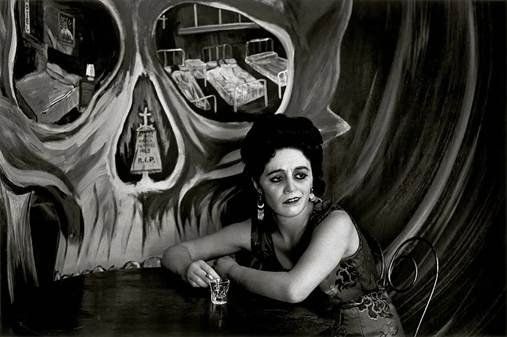
At SFMOMA, *Graciela Iturbide: Between Two Worlds* surveys five decades of poetic black-and-white photography, from Mexican streets and Indigenous rituals to Frida Kahlo’s private world, revealing the extraordinary in everyday life.
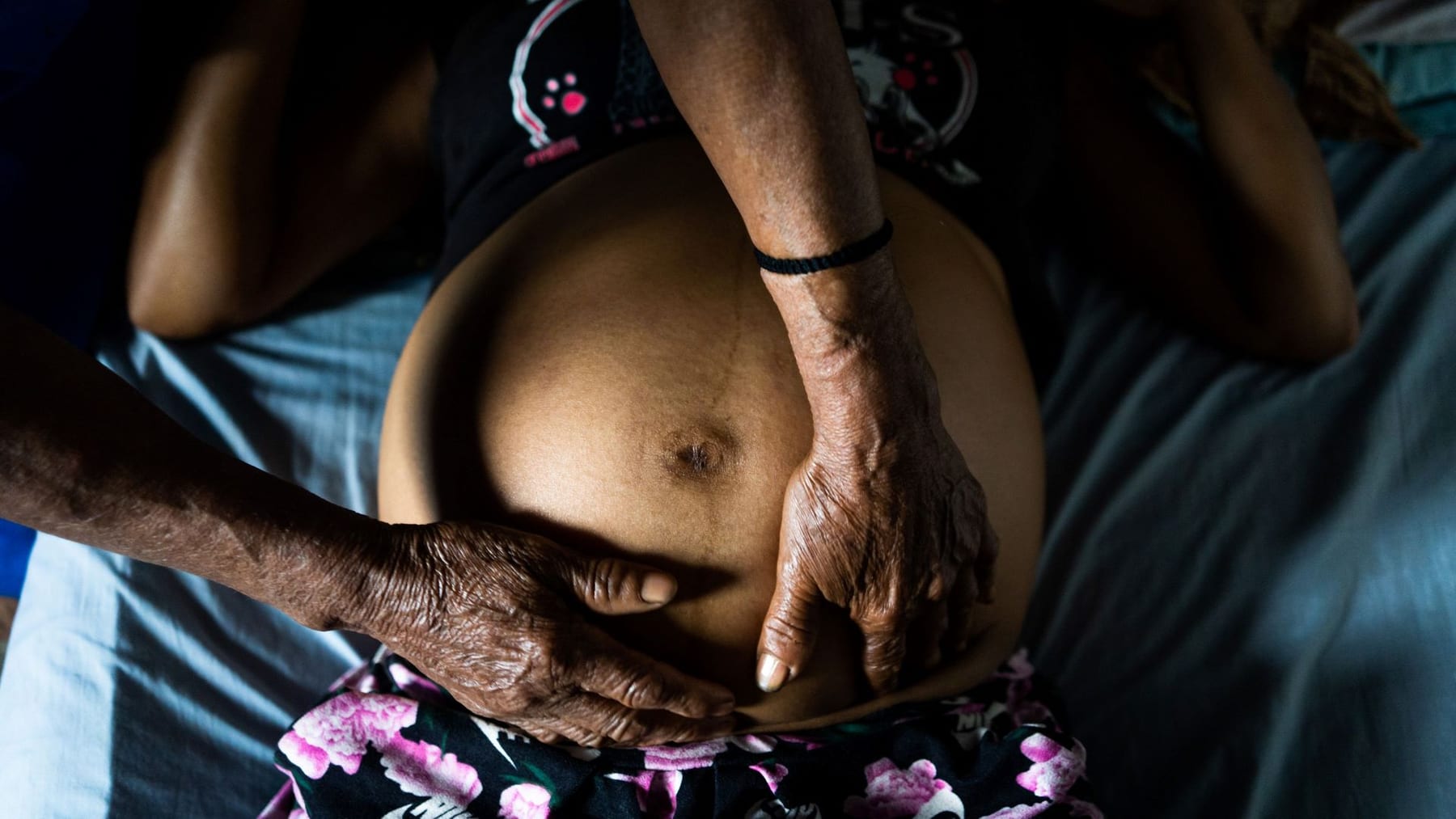
Johanna Alarcón’s award-winning series documents Indigenous midwifery across Ecuador’s Amazon and Andes, showing how women-led care, medicinal knowledge, and community outreach support maternal health in places where hospital access is limited.
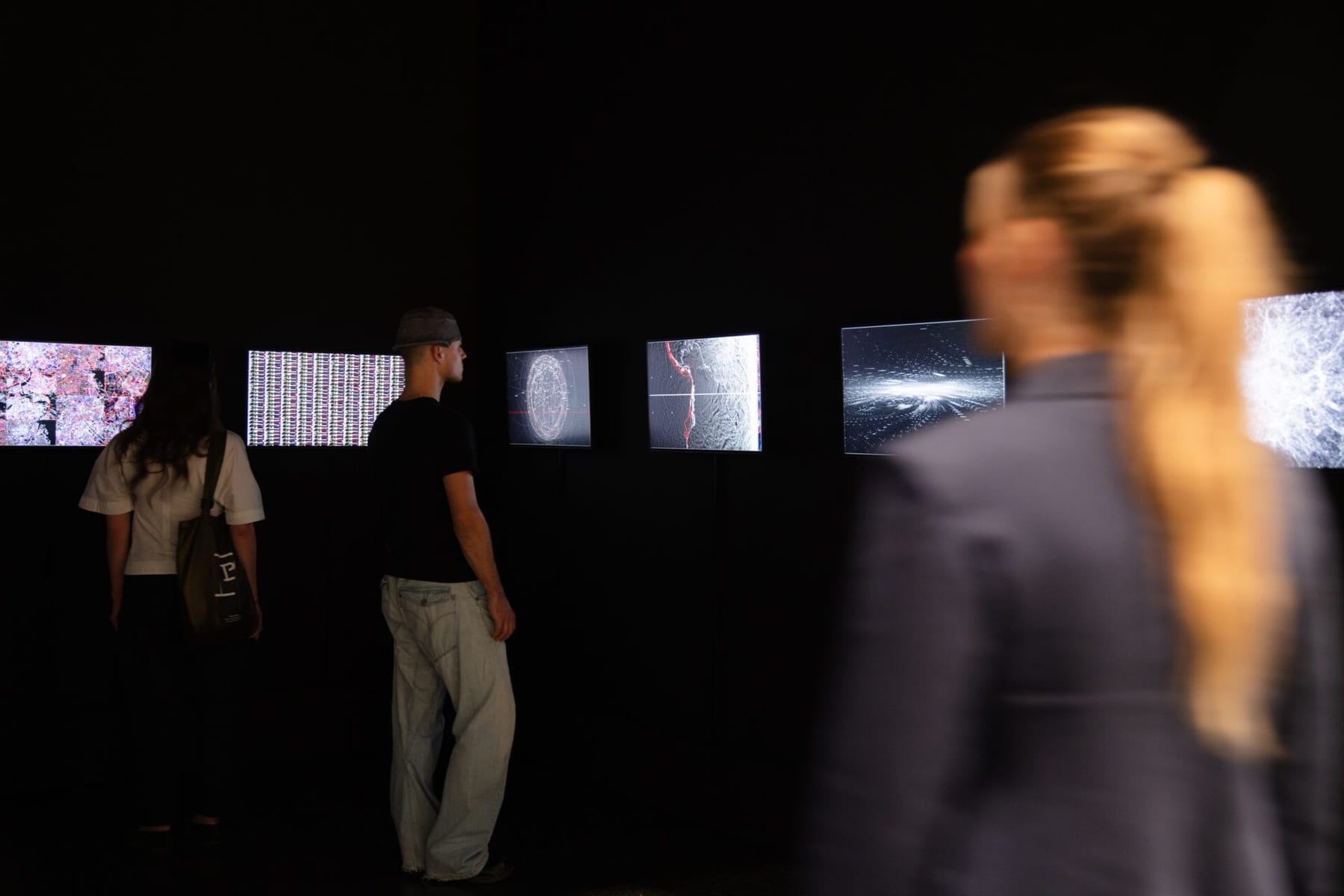
In How to See Like a Machine and the Art Basel show Zero 10, Trevor Paglen argues that most art today is digital. He distinguishes human-made artworks from machine-to-machine “visual culture,” describes a “society of the psyop,” and defends curation as a form of storytelling.
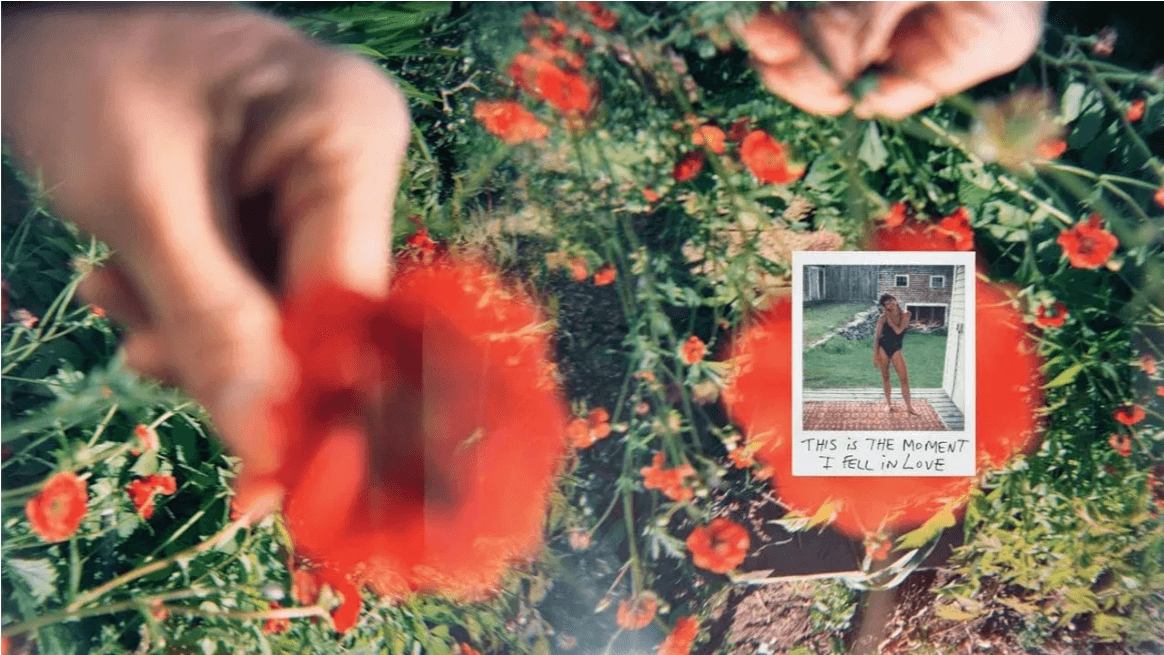
English intro: At 72, Magnum photographer Jim Goldberg turns the lens on himself in Coming and Going (Mack), a memoir 23 years in the making, where photographs, keepsakes, and handwritten notes weave an intimate yet universal story of memory, loss, love, and redemption.
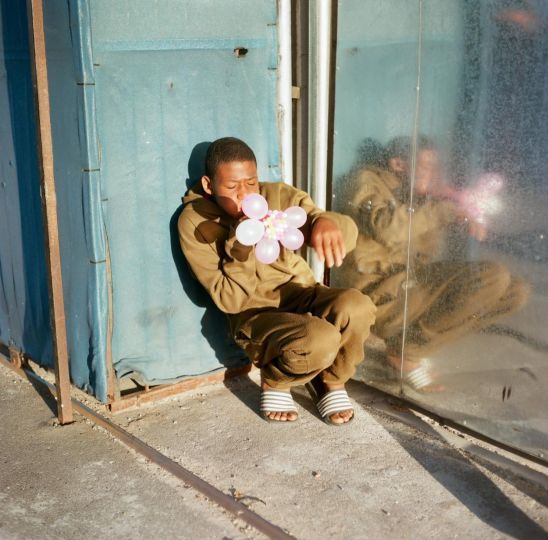
IPPG and GOST Books present the second Tom Stoddart Award for Excellence, offering an established long-form documentary photographer a photo book published in honour of the late British photojournalist.
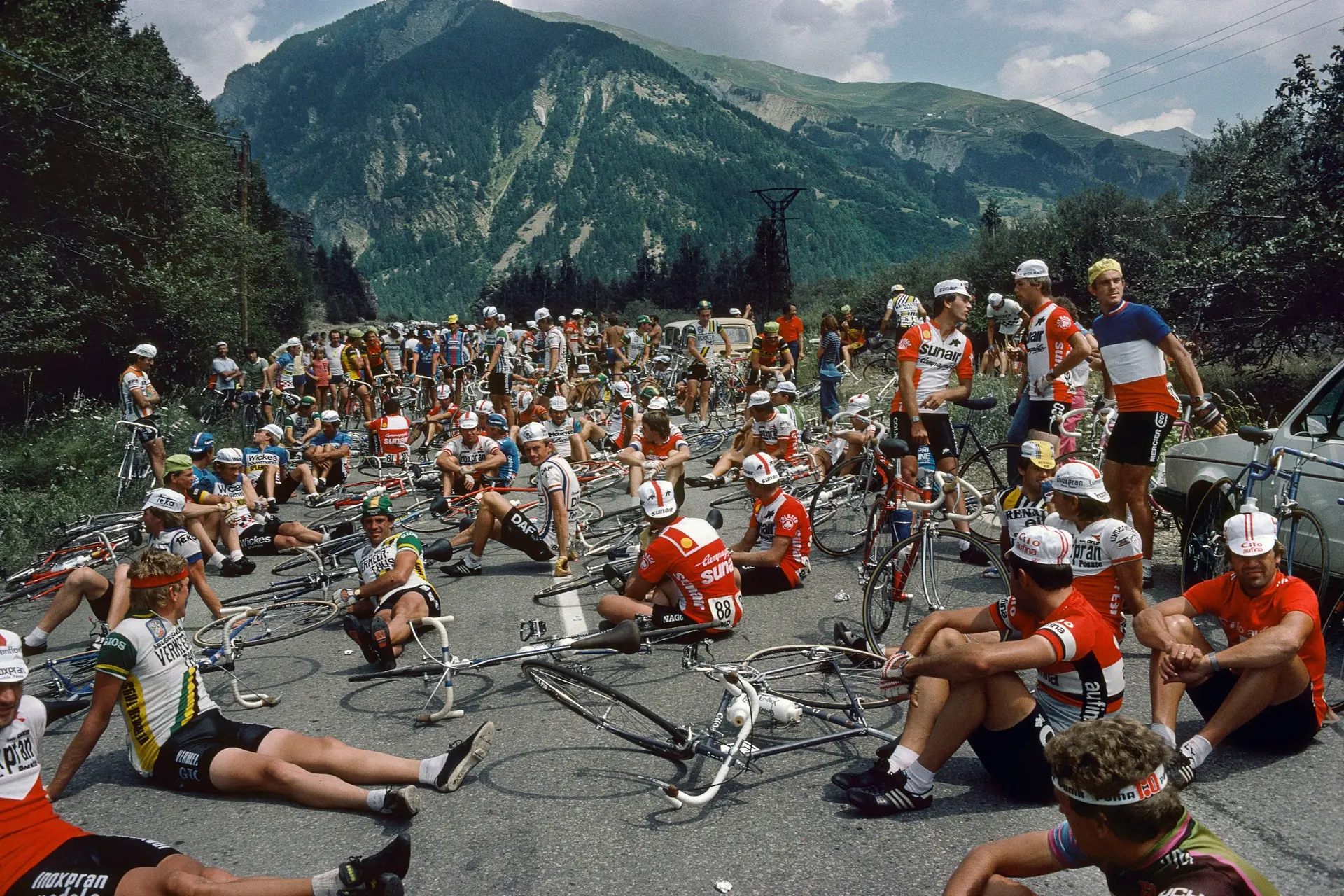
The most iconic scene of the 1982 Tour de France wasn’t a sprint to victory—it was a mass halt. Master photographer Harry Gruyaert pressed the shutter: no speed, no victory—only waiting.
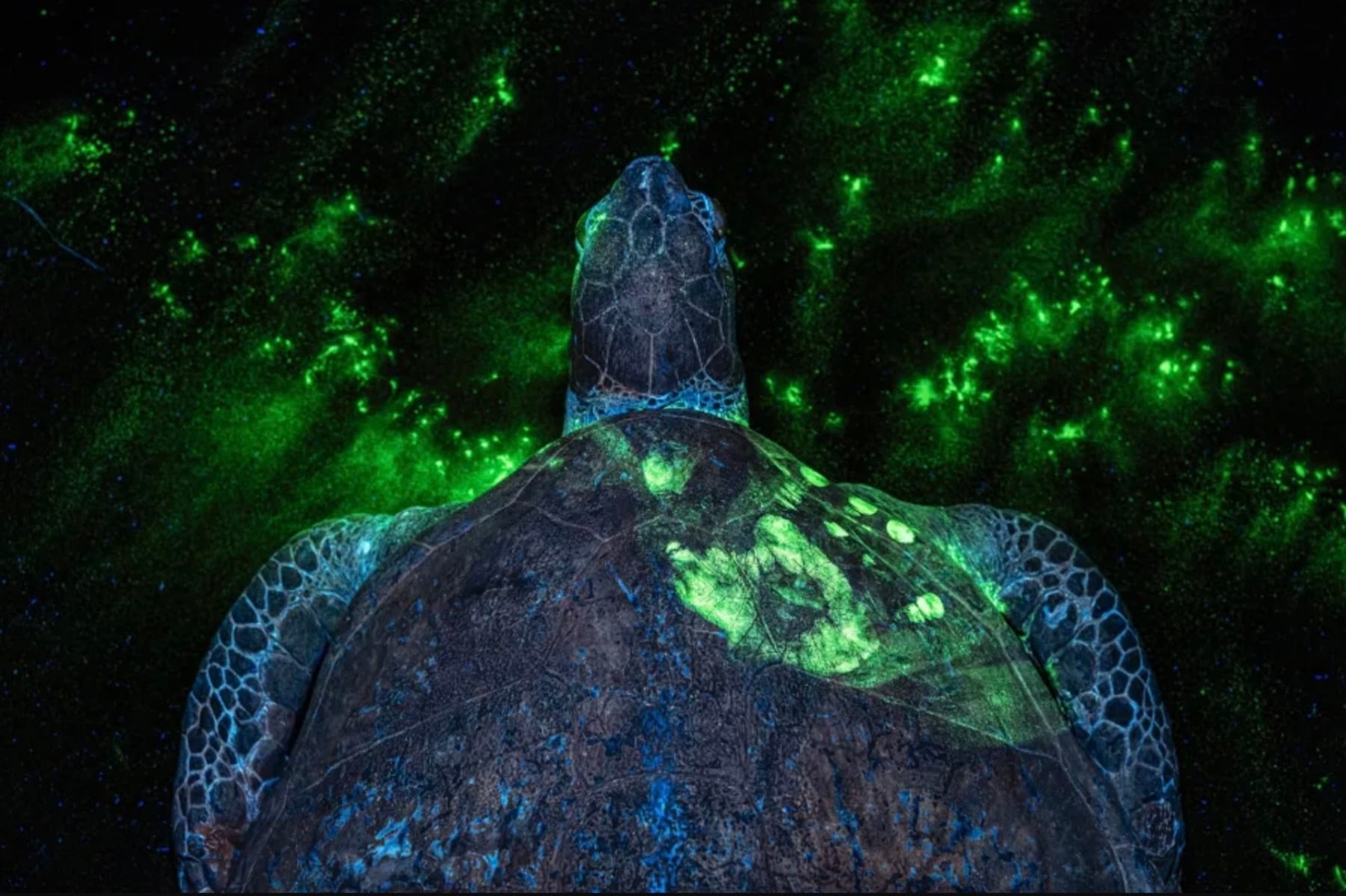
Photojournalist Britta Jaschinski won Earth Photo 2026 for her haunting series on the illegal wildlife trade and the forensics fighting back—from a handprint glowing on a sea turtle's shell to an elephant-foot minibar and lion-paw bottle openers.
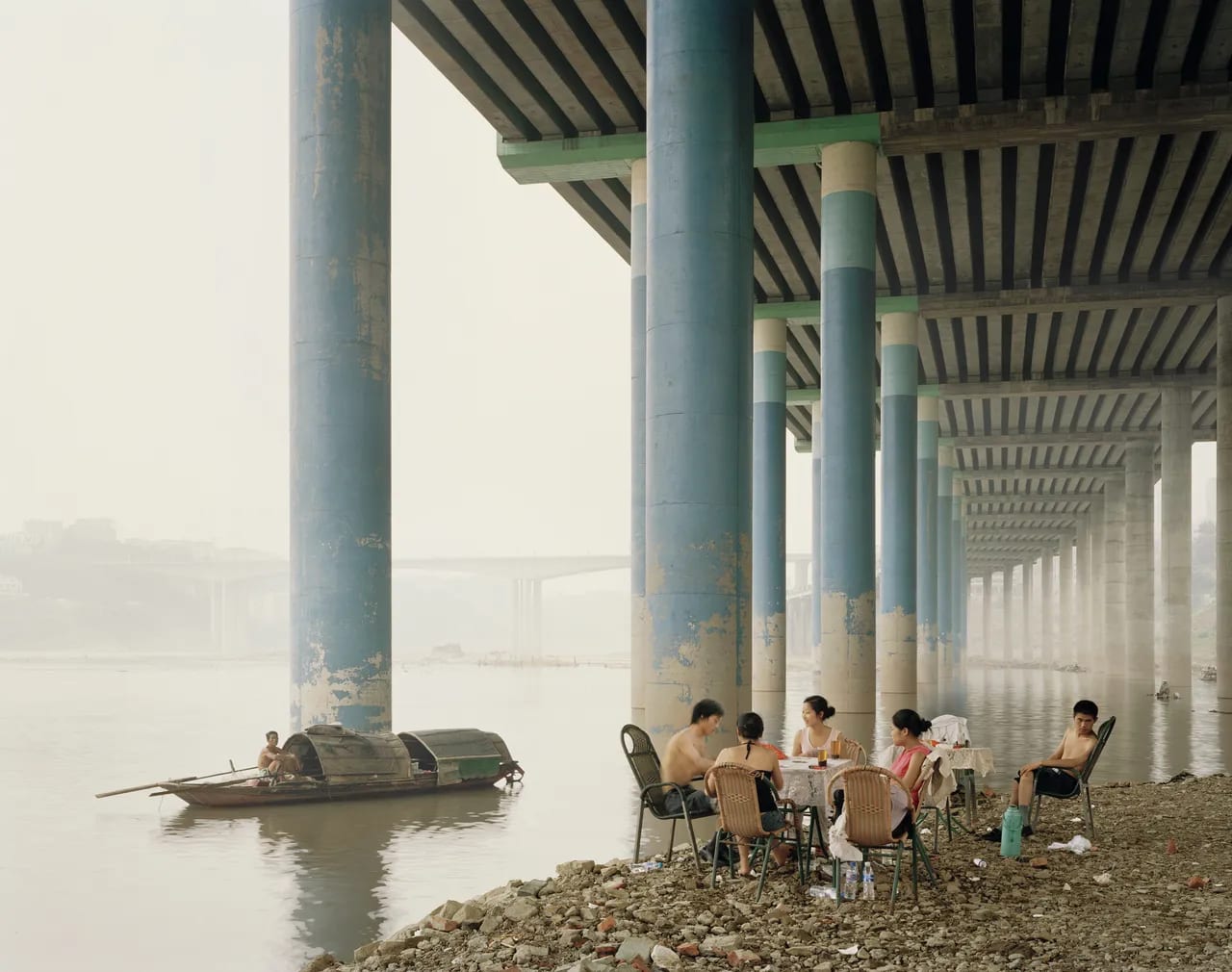
The article outlines the partnership between Prix Pictet and Paris Photo, bringing the sustainability-focused photography prize to the Grand Palais for the first time in November 2026, highlighting photography’s unique role in cultural and environmental reflection.

A new PNAS study from the Australian National University shows that people can be trained to detect AI-generated faces by focusing on "global impressions"—symmetry, proportionality, attractiveness, expressiveness, distinctiveness, and memorability—rather than hunting for visual glitches.

Newsha Tavakolian’s And They Laughed at Me revisits “ruined” 1995–2001 negatives, turning blur, overexposure, and skew into a reckoning with youth, history, and photography’s rules.
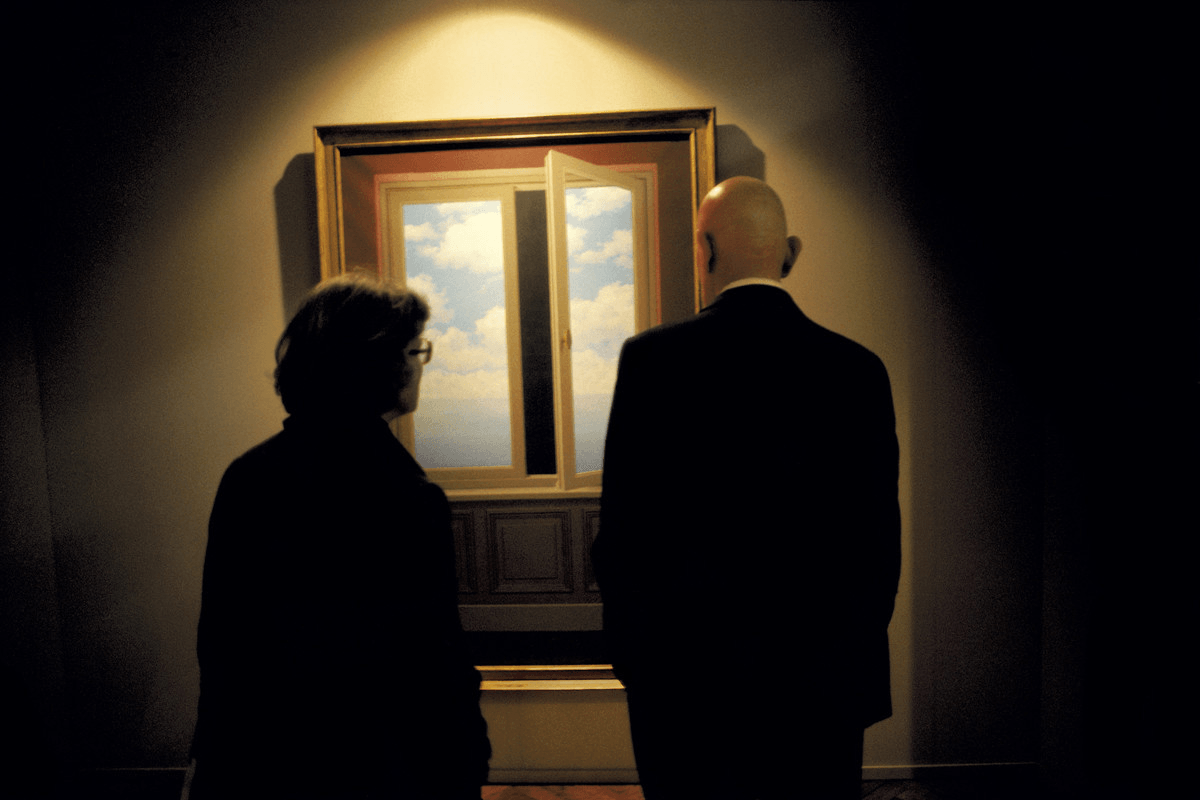
In the Palais des Beaux-Arts, Harry Gruyaert secretly photographed two turned backs gazing into Magritte's window onto the void—behind the image lies a true, thirty-year tale of "the most beautiful girl in the world."