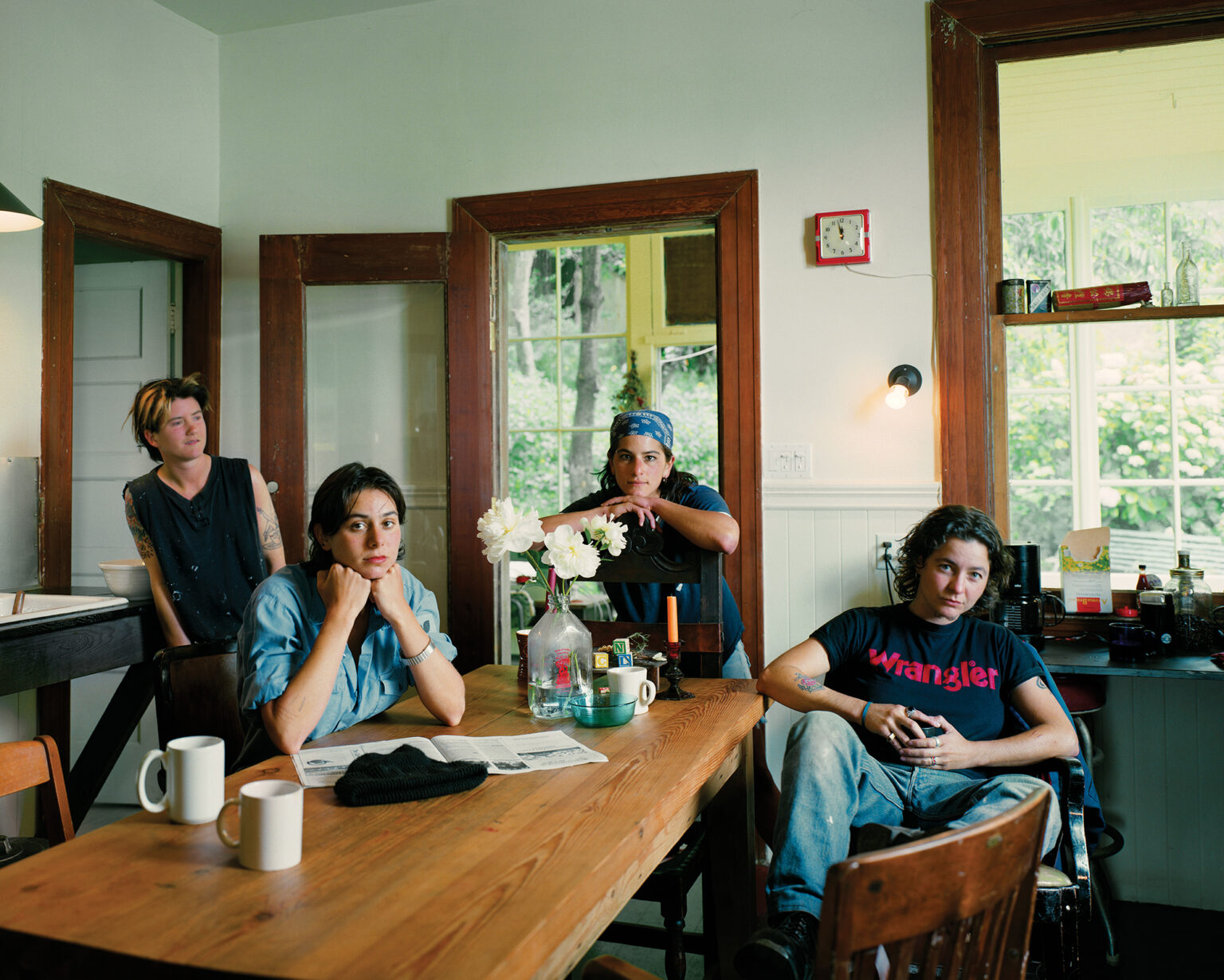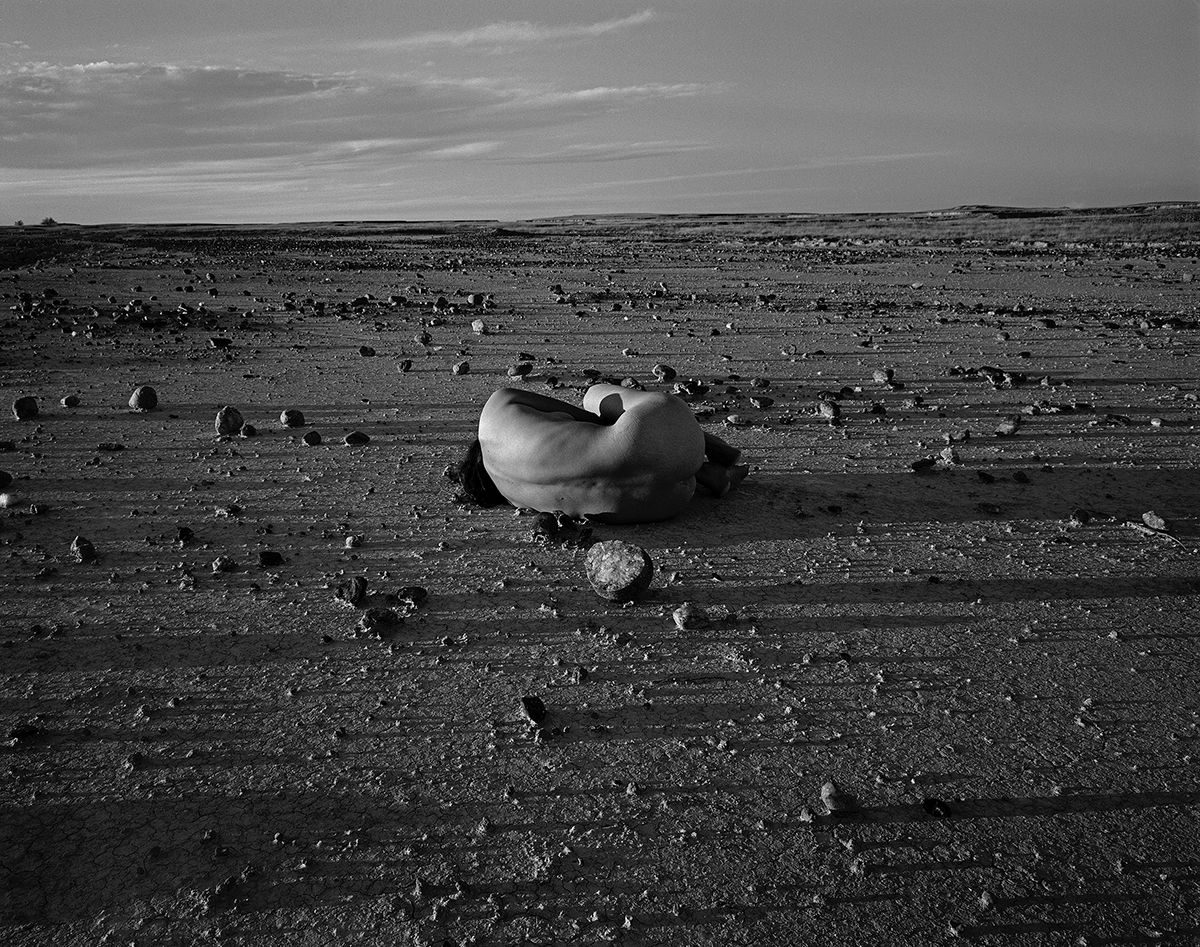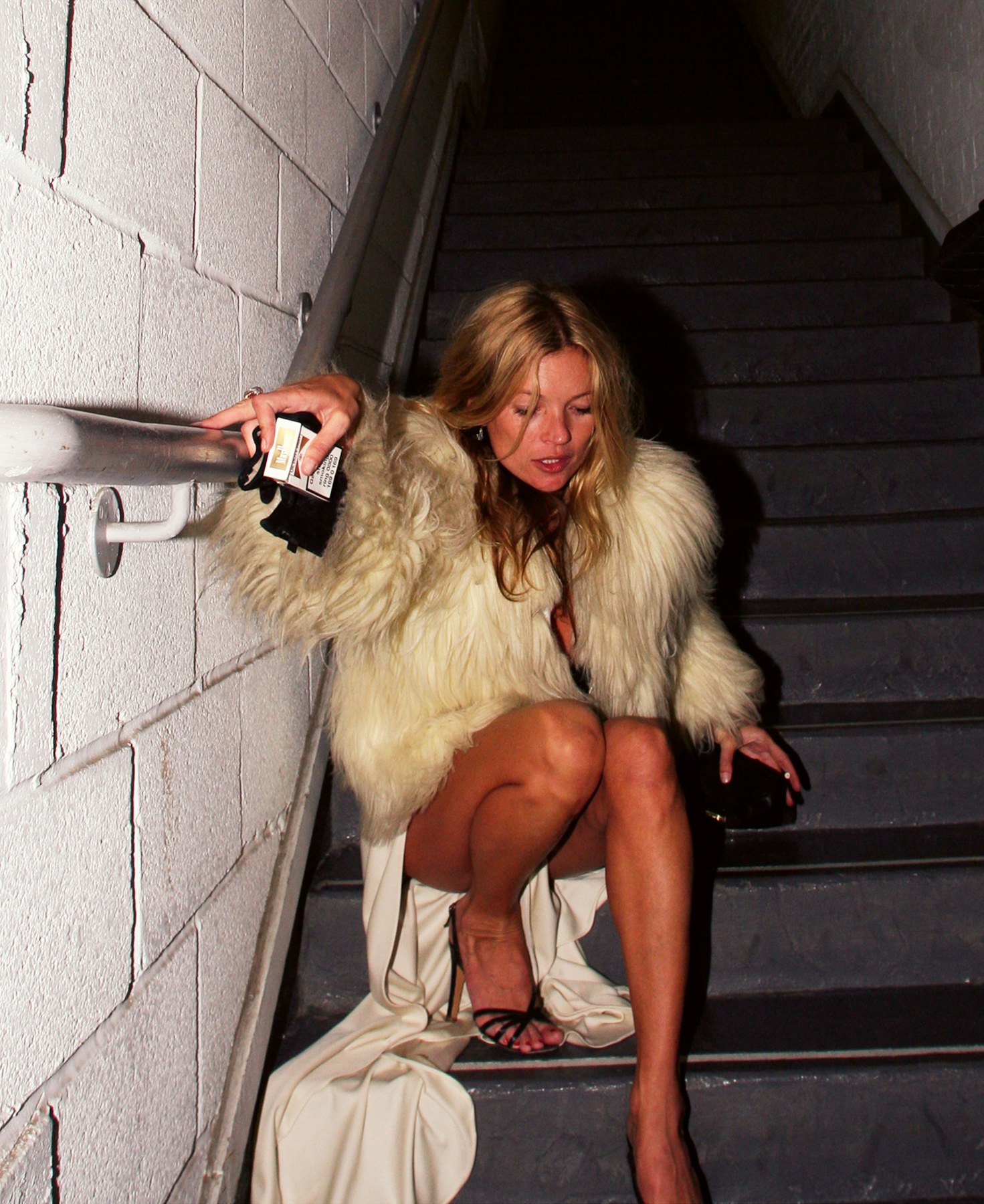
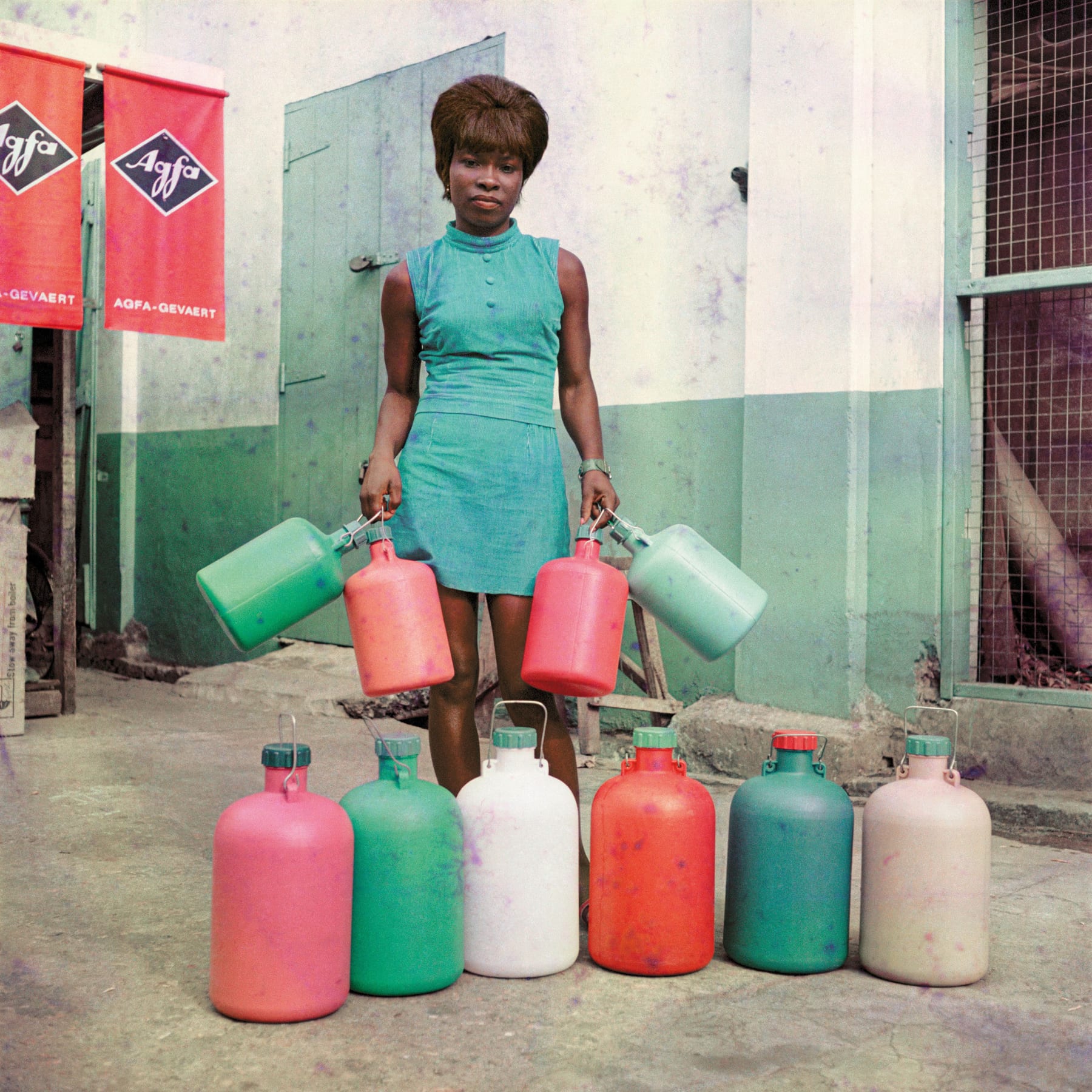
James Barnor (b. 1929), Sick-Hagemeyer Assistant, Accra, 1971, printed 2023. C-print, 50 × 60 cm (19 ¾ × 23 5/8 in.) (Image credit: Courtesy Galerie Clémentine de la Féronniere. © James Barnor)
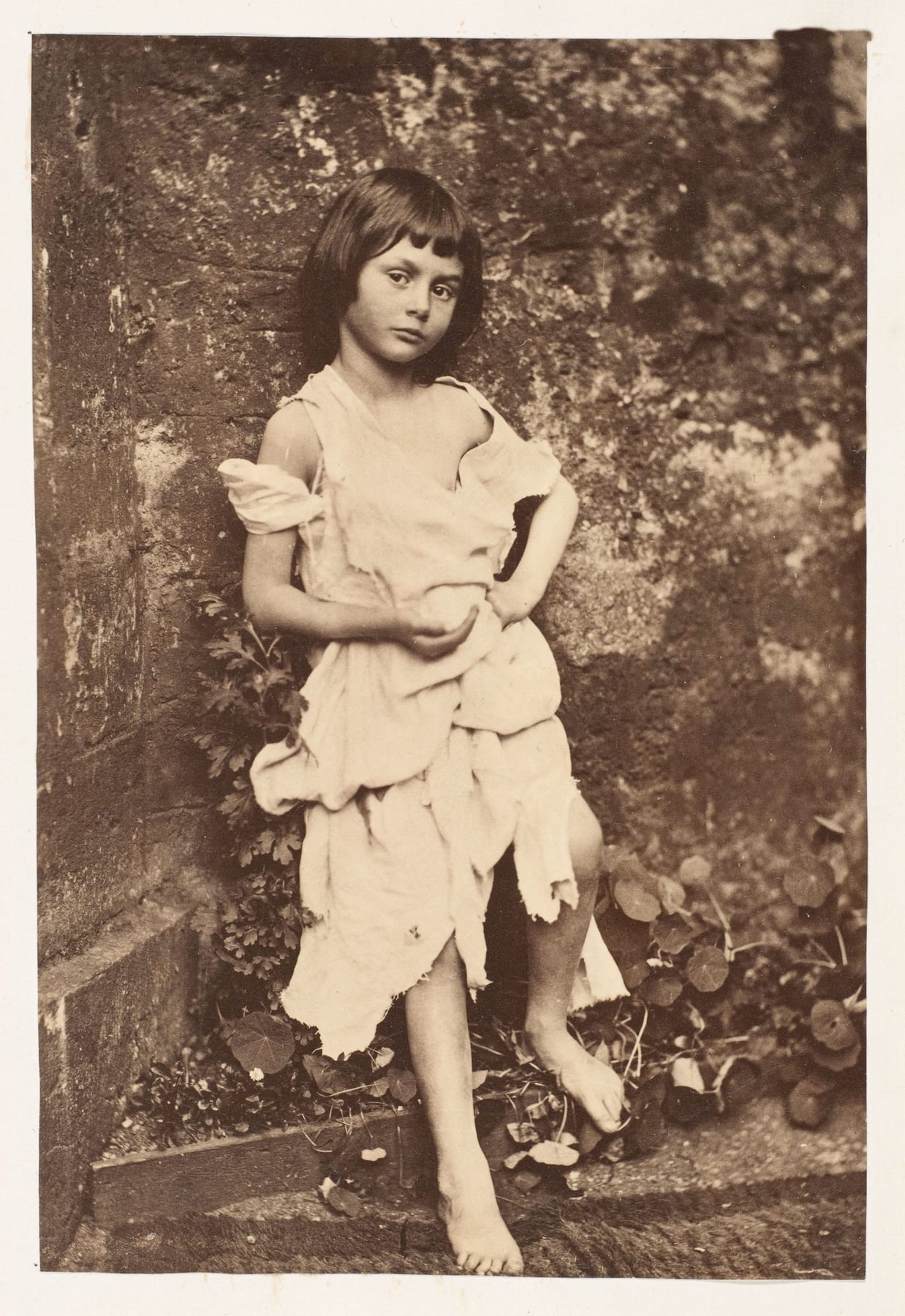
Lewis Carroll (1832–1898), Alice Liddell as ‘The Beggar Maid’, 1858. Albumen silver print from glass negative, 16.3 × 10.9 cm (6 1/2 × 4 3/8 in.) (Image credit: The Metropolitan Museum of Art, New York, Gilman Collection, Gift of The Howard Gilman Foundation, 2005)
Ask a roomful of photographers to define photography and you’ll get a roomful of arguments.
Indeed, as This is Photography: The First 200 Years recounts, in 2010 the artist Mishka Henner compiled 3,000 different sentences attempting to pin down what the medium actually is—drawn from critics, philosophers, and photographers, each convinced they’d cracked it.
In 2024, someone did it again with 3,500 sentences. Neither project settled anything.
Latest Videos FromDigital Camera WorldWatch full video here:
Recounting this conundrum is a fitting way to open this new book from Thames & Hudson, timed to land in October to coincide with the 200th birthday of Nicéphore Niépce’s first-ever permanent photograph.
Editor Nathalie Herschdorfer clearly knows better than to attempt a tidy definition of photography herself. Instead, the book shows you—year by year—what photography has actually done since a Frenchman pointed a camera obscura at a courtyard and waited eight hours for something to happen.
The big anniversary
That anniversary is going to be inescapable this year—and rightly so. France has already announced a year-long bicentenary programme running from this September through to September 2027.
As we reported back in January, the centerpiece exhibition will open at the Grand Palais in Paris this autumn, and Herschdorfer’s book arrives as a companion of sorts. It’s a single-volume history you can actually hold, rather than an itinerary of exhibitions you’d need a year to visit.
Get the Digital Camera World Newsletter
The best camera deals, reviews, product advice, and unmissable photography news, direct to your inbox!
Contact me with news and offers from other Future brandsReceive email from us on behalf of our trusted partners or sponsors
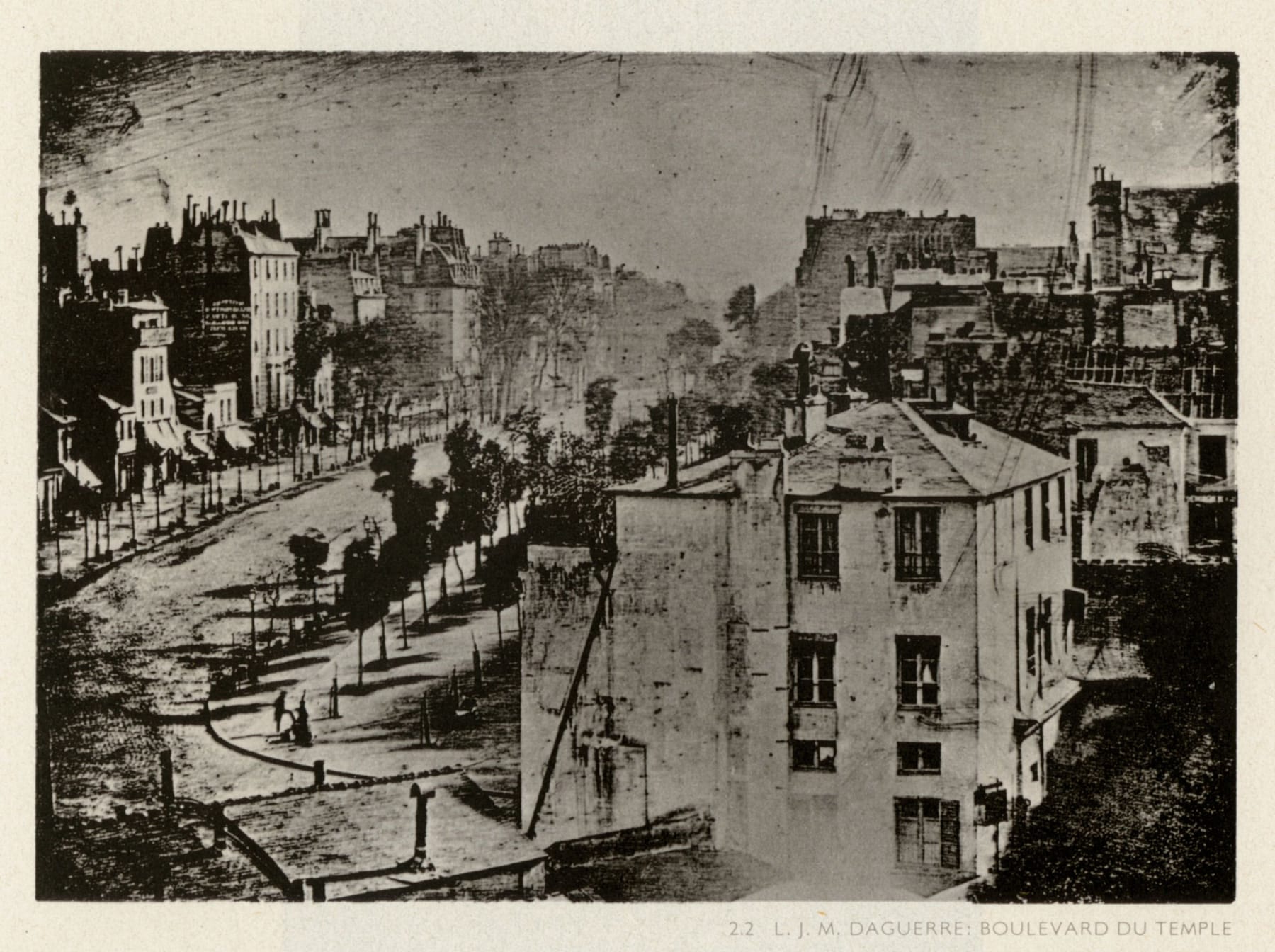
This photo features the first people ever caught on camera. Louis-Jacques-Mandé Daguerre (1787–1851), Boulevard du temple, 1838. Daguerreotype. (Image credit: Bavarian National Museum)
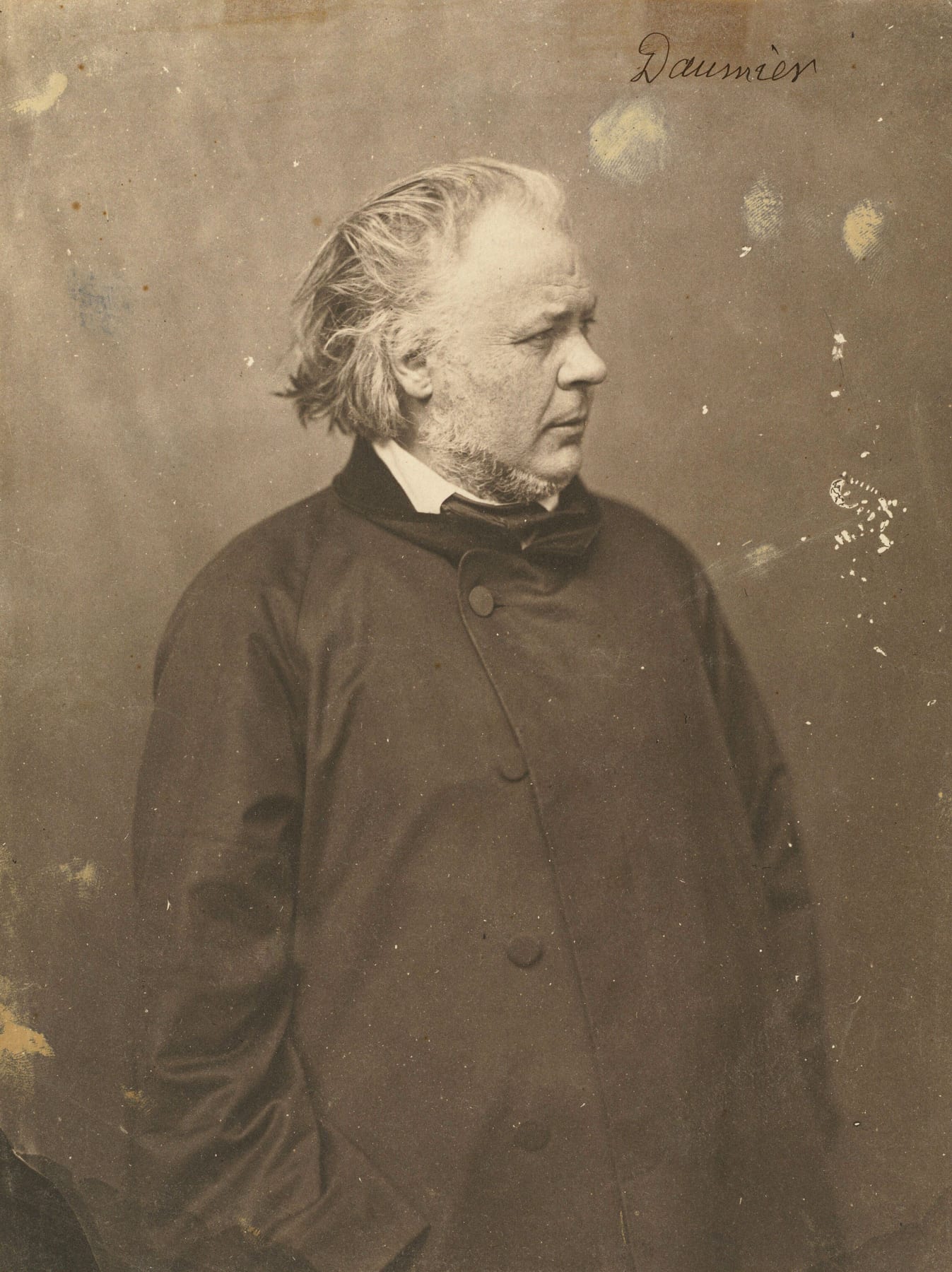
Nadar, Honoré Daumier, 1856–58 (Image credit: National Gallery of Art, Washington, Patrons’ Permanent Fund (1995.36.106))
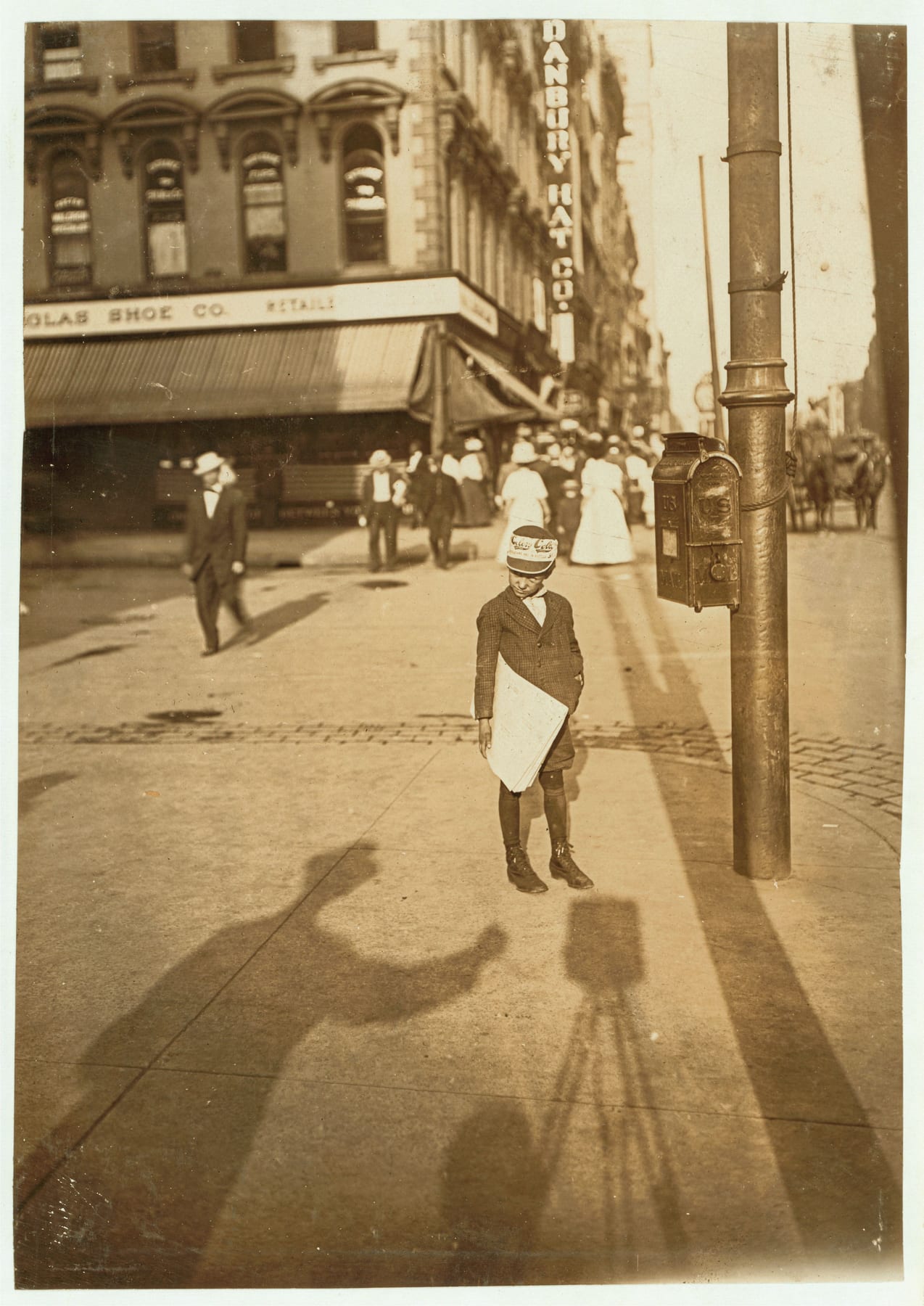
Lewis Hine (1874–1940), John Howell, an Indianapolis newsboy, Indiana, 1908 (Image credit: Credit: Library of Congress Prints and Photographs Division Washington DC)
For me, the structure is the best—and most interesting—thing about this book. Rather than grouping work by genre or geography, it runs strictly chronologically, from 1826 through to 2026, pairing key photographs and objects with short contextual entries.
Longer thematic essays are woven in between, contributed by writers including David Campany, William A Ewing, and Darius Himes, covering everything from the birth of photojournalism to the rise of the photobook as its own art form.
And that timeline approach does something a genre-based book can’t: it lets you watch photography argue with itself in real time.
Eadweard Muybridge’s motion studies sit in the same continuum as Rosalind Franklin’s DNA imaging; Man Ray’s darkroom experiments and Cindy Sherman’s constructed selves become part of one long, unbroken conversation rather than separate exhibits in separate rooms.
With 1.9 trillion photographs now taken every year, according to the publisher’s figures, that continuity is worth being reminded of. Niépce’s single, eight-hour exposure and this morning’s Instagram selfie are, basically, the same act.
Why the timing matters
This shouldn’t, in a sense, be so surprising. After all, Herschdorfer directs Photo Elysée in Lausanne and curates for the Foundation for the Exhibition of Photography, so they’ve spent a career watching institutions wrestle with exactly the question this book sidesteps:
What actually belongs in the photographic canon, and who gets to decide?
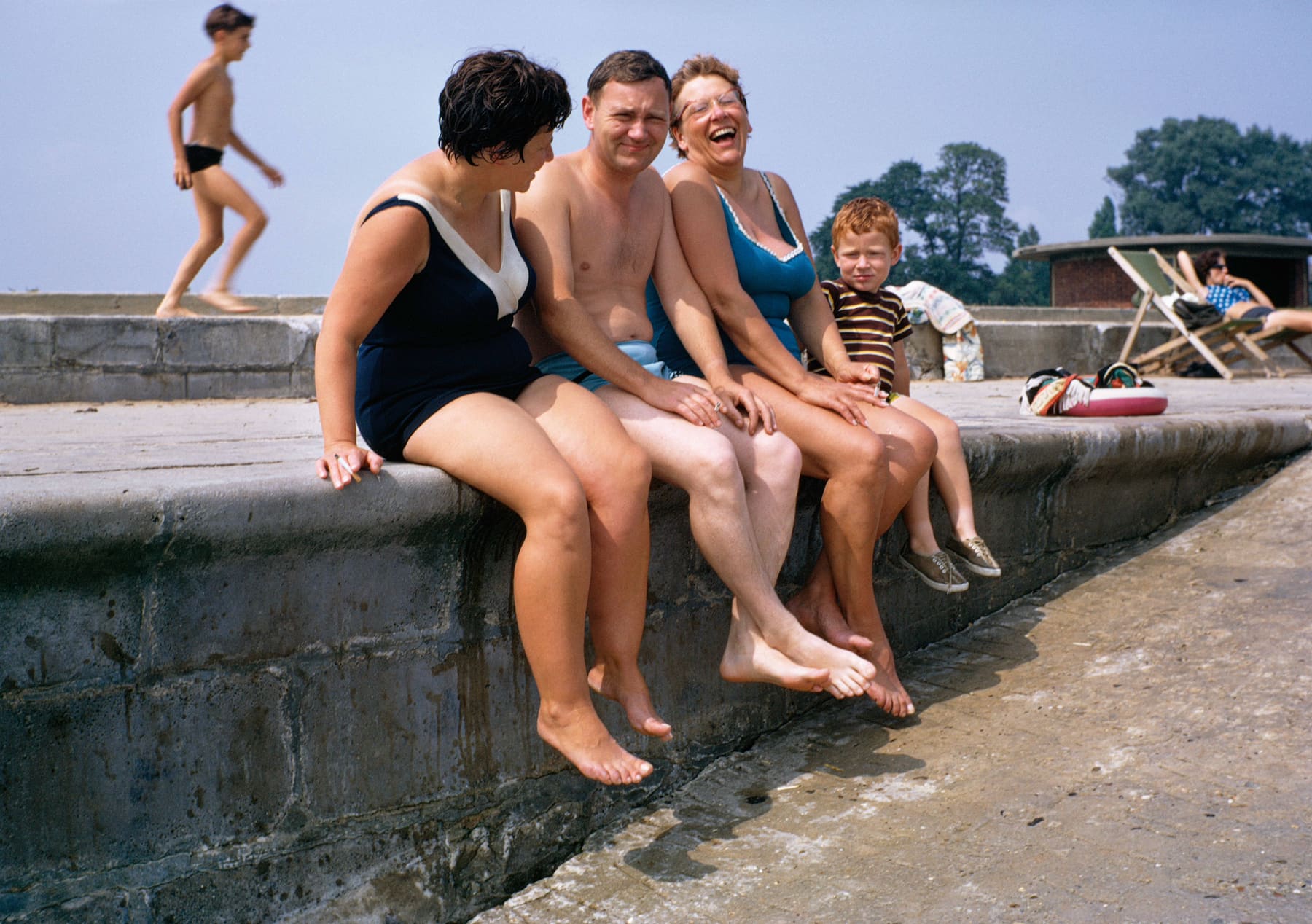
From The Anonymous Project, Lee Shulman, 1953 (Image credit: The Anonymous Project/Lee Shulman)
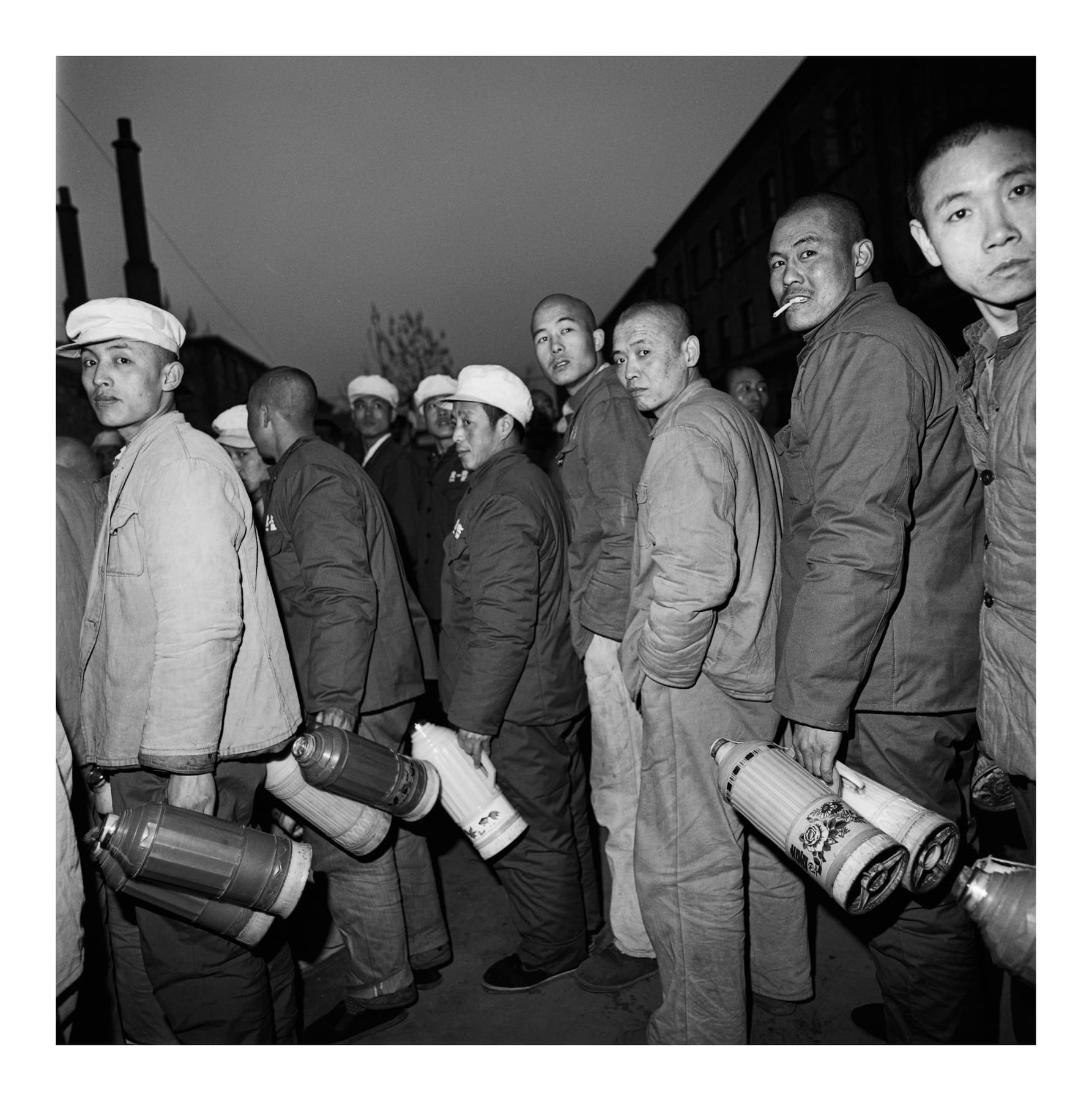
Liu Zheng (b. 1969), Convicts Fetching Water, Baoding, Hebei Province, 1995. Gelatin silver print, 37.2 × 37.2 cm (14 5/8 × 14 5/8 in.) (Image credit: © Liu Zheng)
Her answer here, running Zanele Muholi and Barbara Kruger alongside Nadar and Edward Steichen, is refreshingly unbothered by hierarchy. Everything gets its year, its context, its place in the line.
For anyone covering, teaching, or simply obsessing over photography, this may well become the reference you reach for when a client, student, or editor asks, “Where did this actually come from?” And with Paris about to spend a year celebrating the answer, its timing couldn’t be better.
This is Photography: The First 200 Years, edited by Nathalie Herschdorfer, is published by Thames & Hudson in the US on October 06 2026, priced $55, and in the UK for £40 on August 27.
Tom May is a freelance writer and editor specializing in art, photography, design and travel. He has been editor of Professional Photography magazine, associate editor at Creative Bloq, and deputy editor at net magazine. He has also worked for a wide range of mainstream titles including The Sun, Radio Times, NME, T3, Heat, Company and Bella.