Photographer: Bill Hao
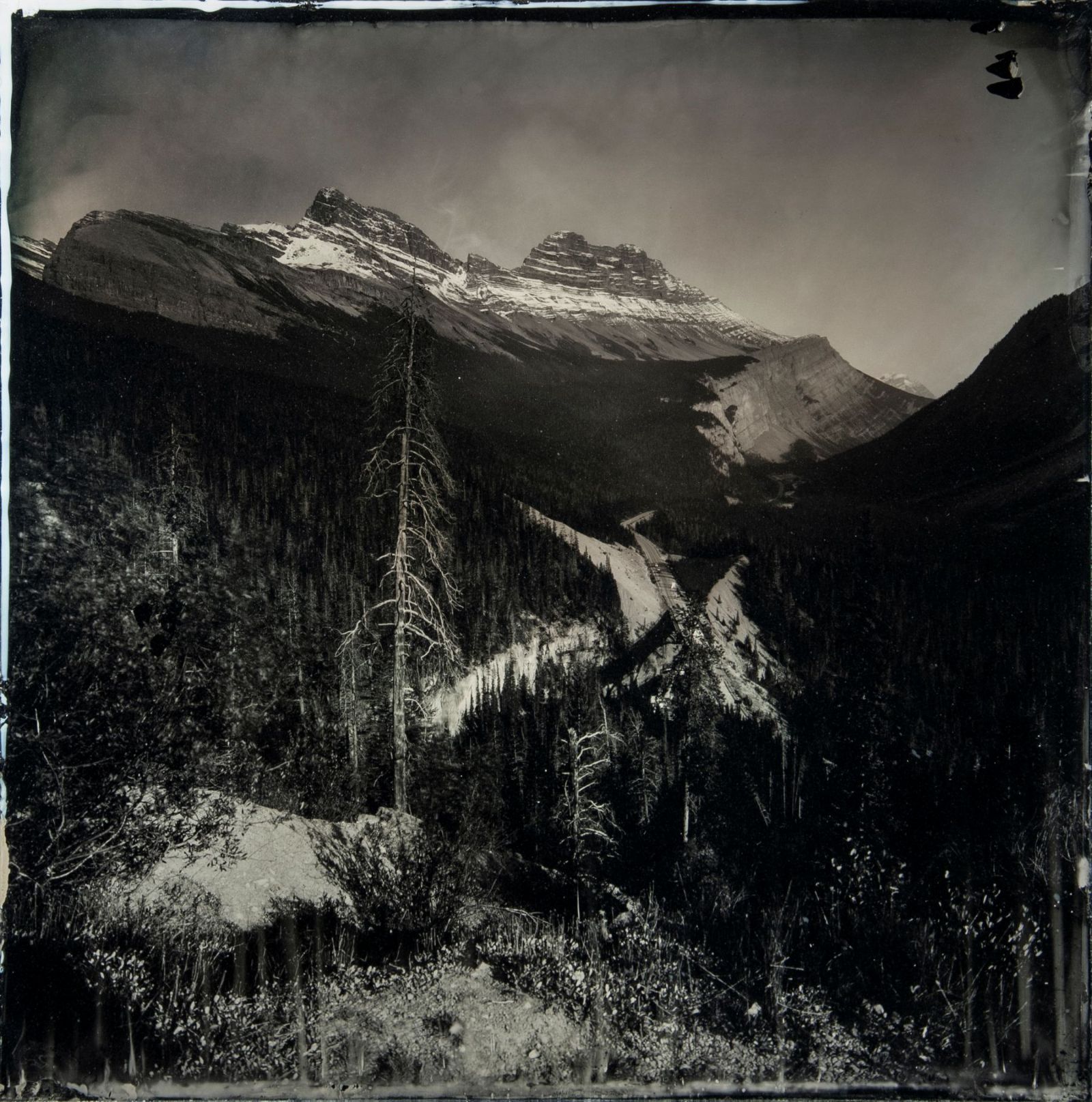
In an era when digital images flood the cloud by the billions every day, Canadian photographer Bill Hao has chosen an almost ascetic creative path: he spent two years handcrafting a massive 32×48-inch oak camera, converted a 50-seat tour bus into a mobile darkroom, and drives alone into the sub-zero depths of the Rocky Mountains, using the 19th-century wet plate collodion process to freeze landscapes that are vanishing before our eyes.
This is not merely a photographic act — it is a rebellion against “speed.”
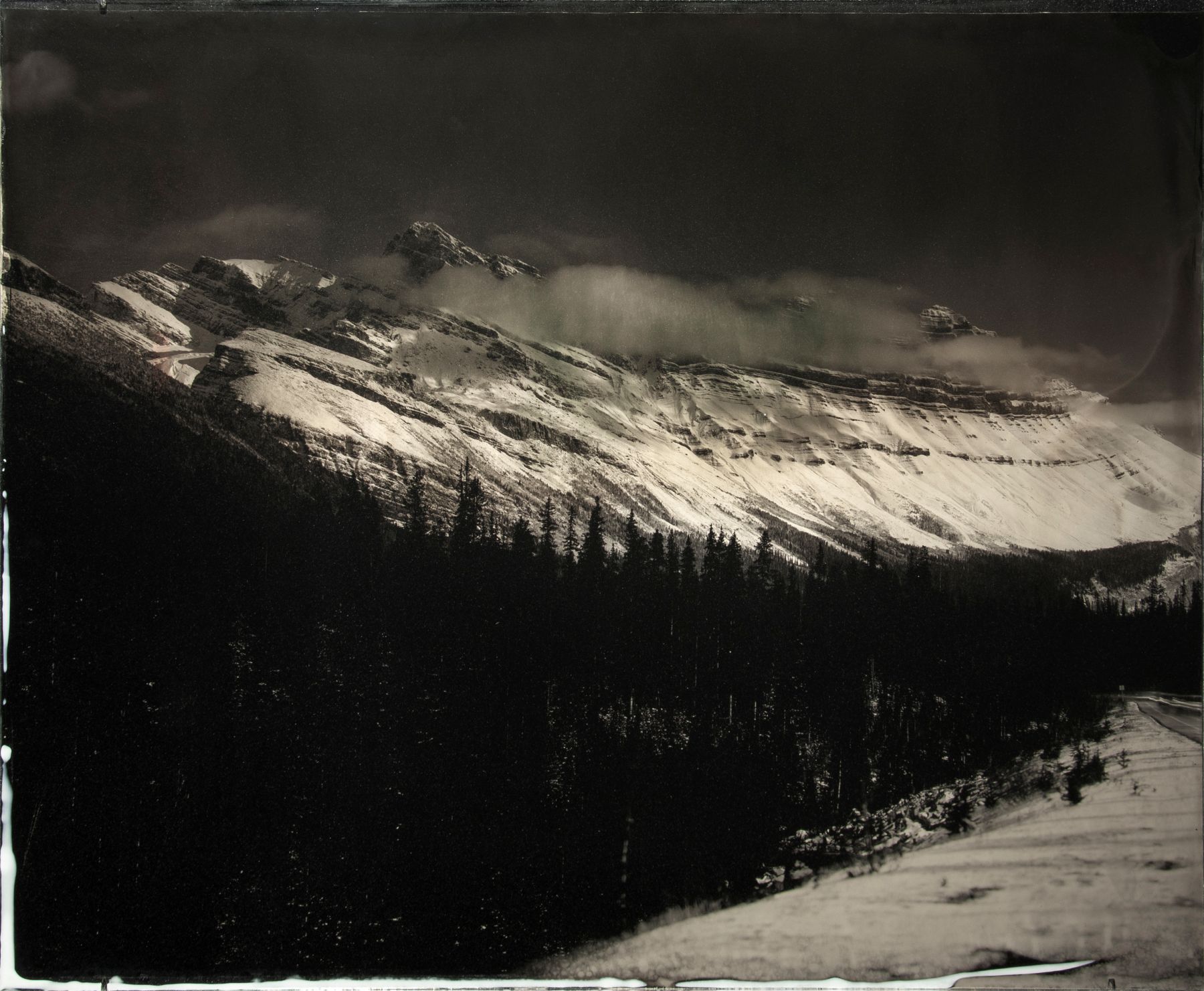
Photographer: Bill Hao
📷 I. It Begins with a Camera: An Almost Mad Undertaking
Bill Hao received a camera from his father at the age of sixteen, beginning a lifelong bond with photography. He studied color printing, explored mass communication, and even ran an international travel company — but in the end, he devoted his entire life to off-grid photographic creation.
To capture large-scale landscapes, he spent two years handcrafting a 32 × 48-inch ultra-large-format oak camera:
- Body weighing 110 pounds (about 50 kg)
- Plus 44 pounds of lens and plate holder
- Requires three heavy-duty tripods to support it simultaneously
- Even uses a power drill to assist with micro-focus adjustments
Even more astonishing, he completely converted a 50-seat commercial tour bus into a mobile darkroom RV. The vehicle carries a large amount of chemical reagents and over 800 liters of fresh water, enabling him to venture deep into the heart of the Rocky Mountains and independently perform archival-grade plate processing in the field.
This is not a camera — it is a movable cathedral of the darkroom.
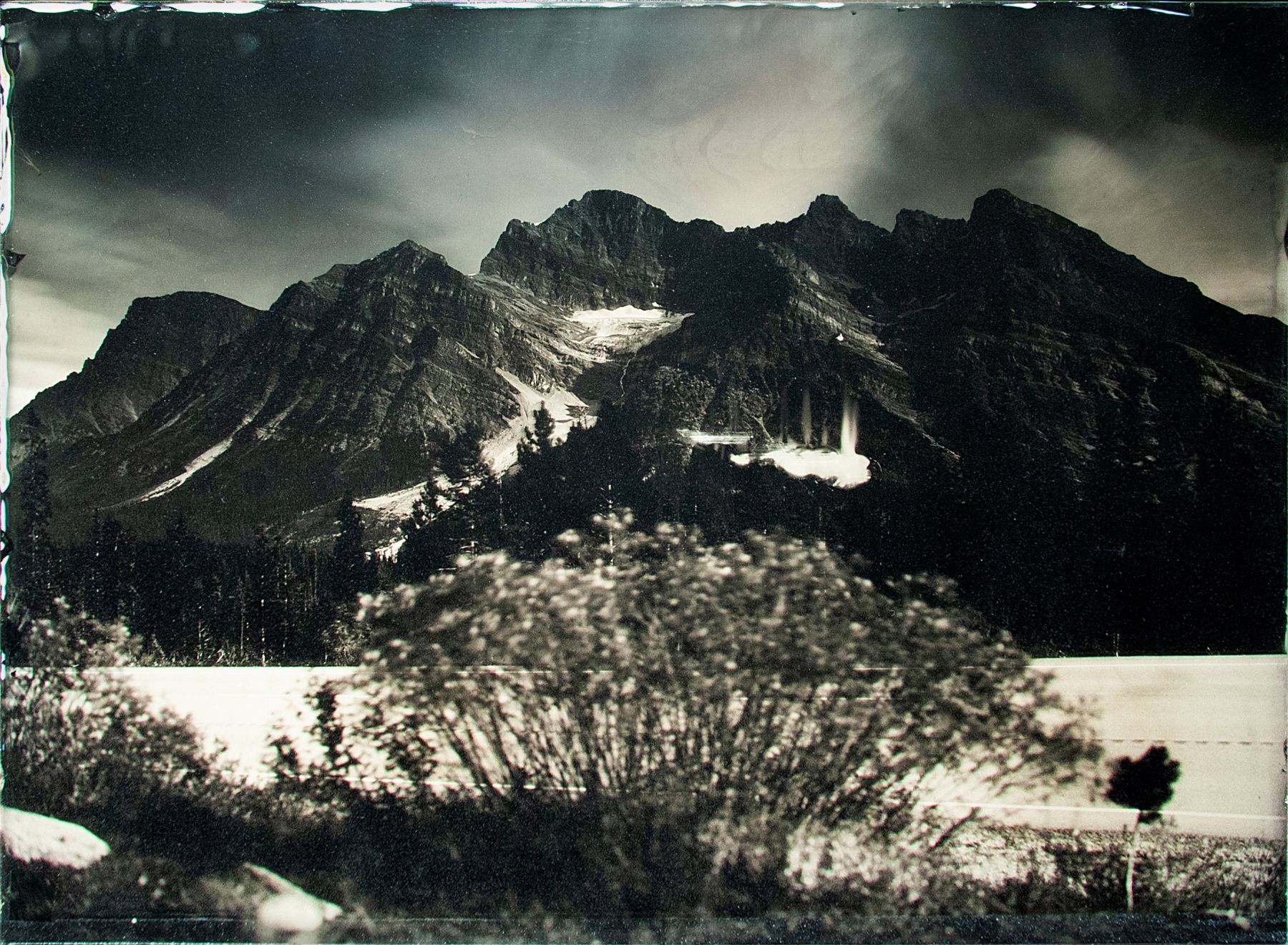
Photographer: Bill Hao
🧪 II. A Race Against Time on Collodion: Every Image Is Performance Art
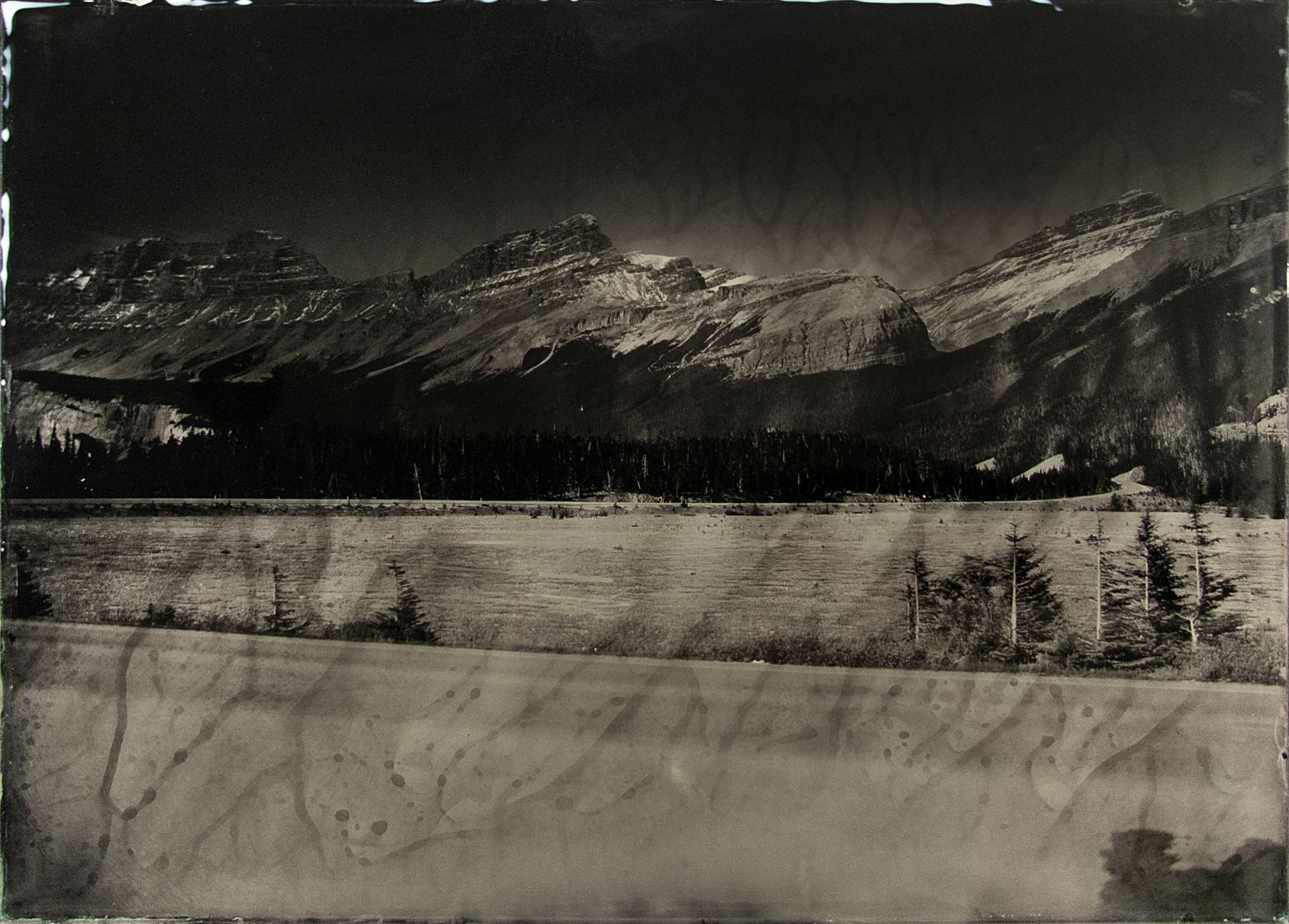
The wet plate collodion process that Bill Hao uses is an ancient technique dating back to the 1850s — collodion chemicals are hand-coated onto heavy glass plates, which must be exposed and developed before drying, producing a direct positive (Ambrotype).
The cruelty of this process lies in:
- ⏱️ The photographer must complete the entire coating, exposure, and development process within a few minutes
- 🌡️ Any single variable — weather, sunlight, temperature — can ruin an entire day’s preparation
- 🥶 In sub-zero wilderness, the stability of chemical reagents faces fatal challenges
For this reason, every time Bill Hao presses the shutter, it is itself a piece of performance art. With extreme “slowness” and immense physical effort, he reclaims the long-lost sacredness of the image.
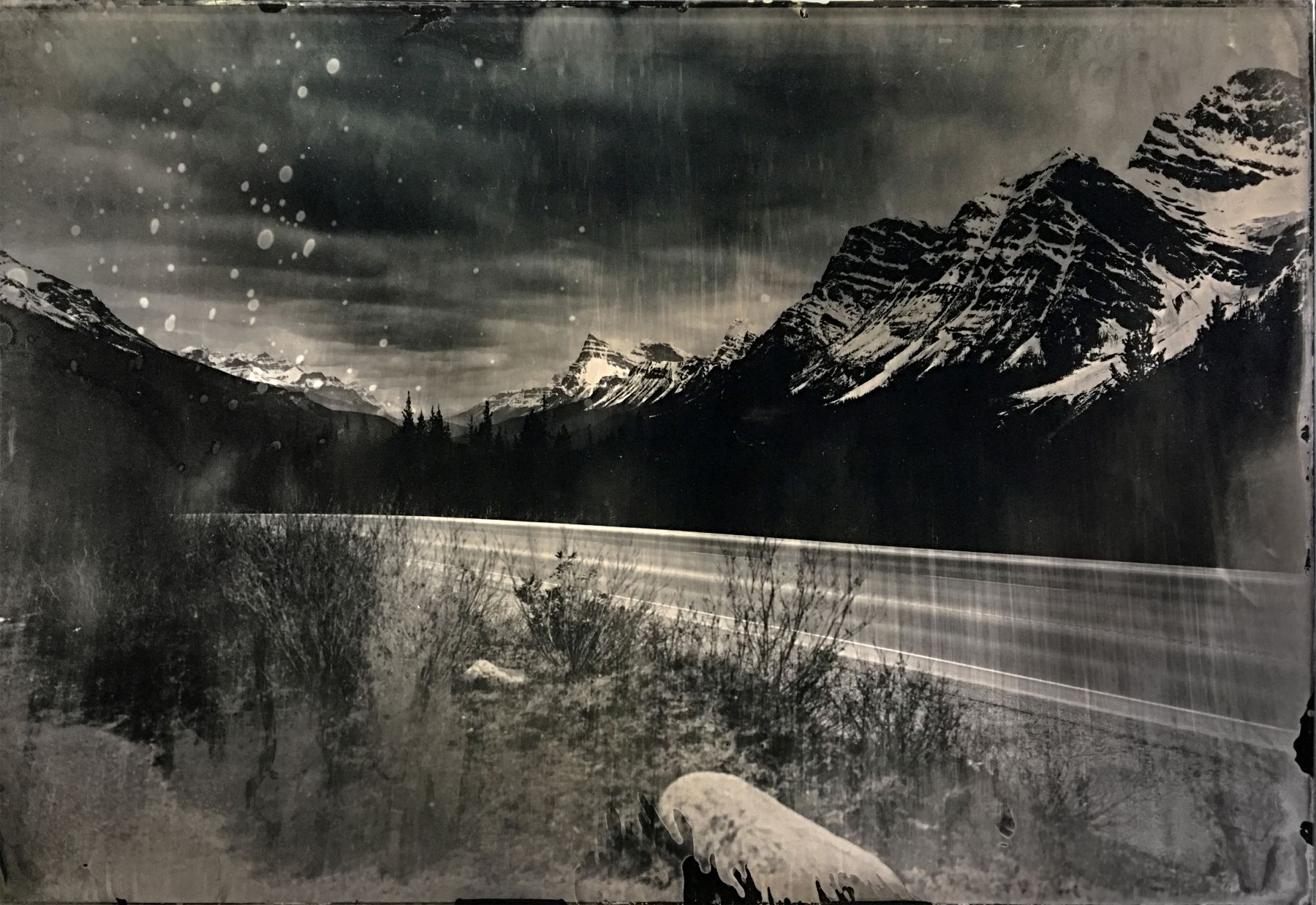
Photographer: Bill Hao
☁️ III. Breaking the Technical Ceiling: Giving Clouds Texture
Wet plate collodion is extremely sensitive to ultraviolet and blue light, and traditional wet plate landscape photography almost inevitably faces these difficulties:
- Skies overexpose into pure white
- Mountain shadows collapse into solid black
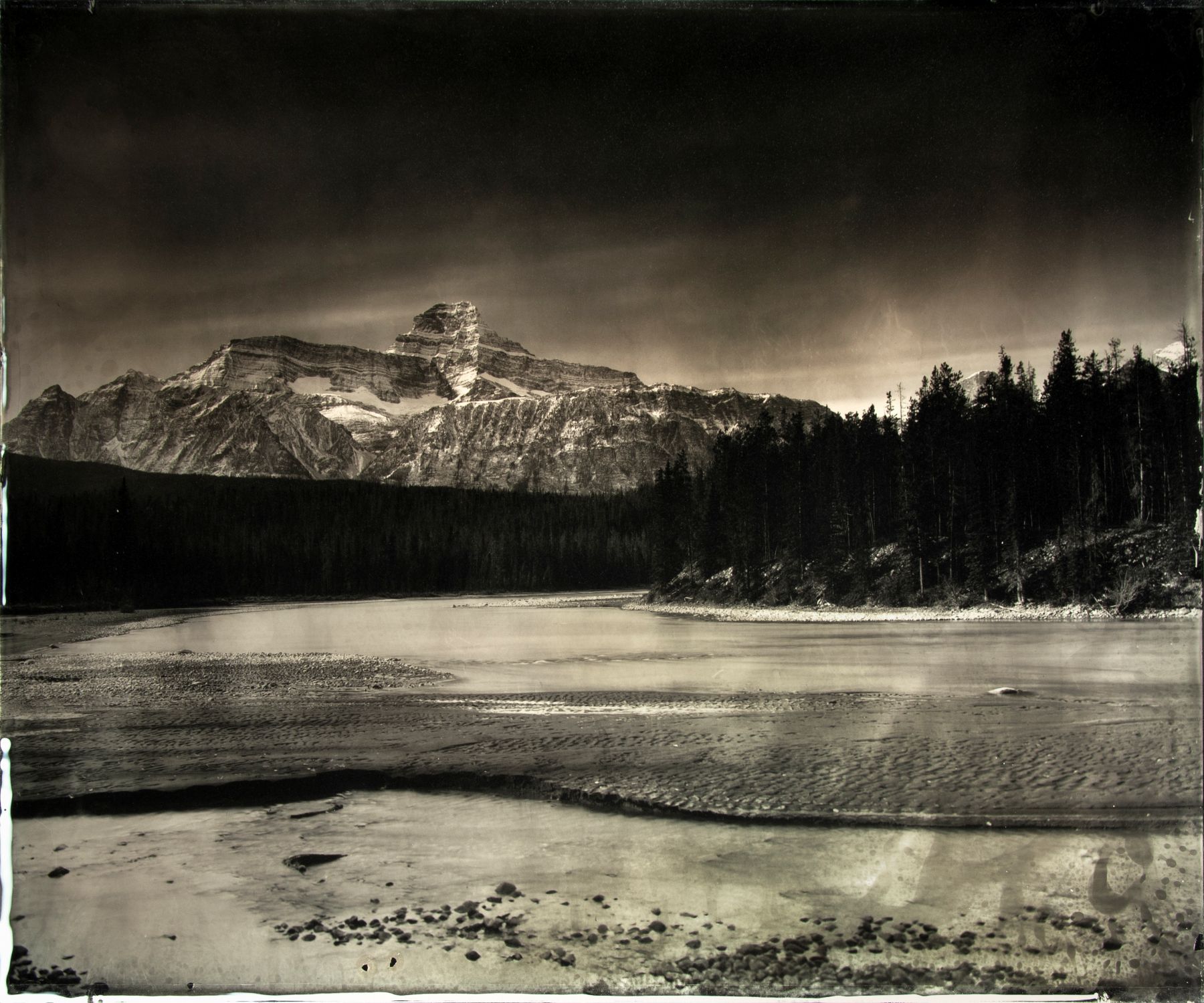
However, through his closely guarded chemical formulas and exposure calculations precise to the second, Bill Hao has successfully captured:
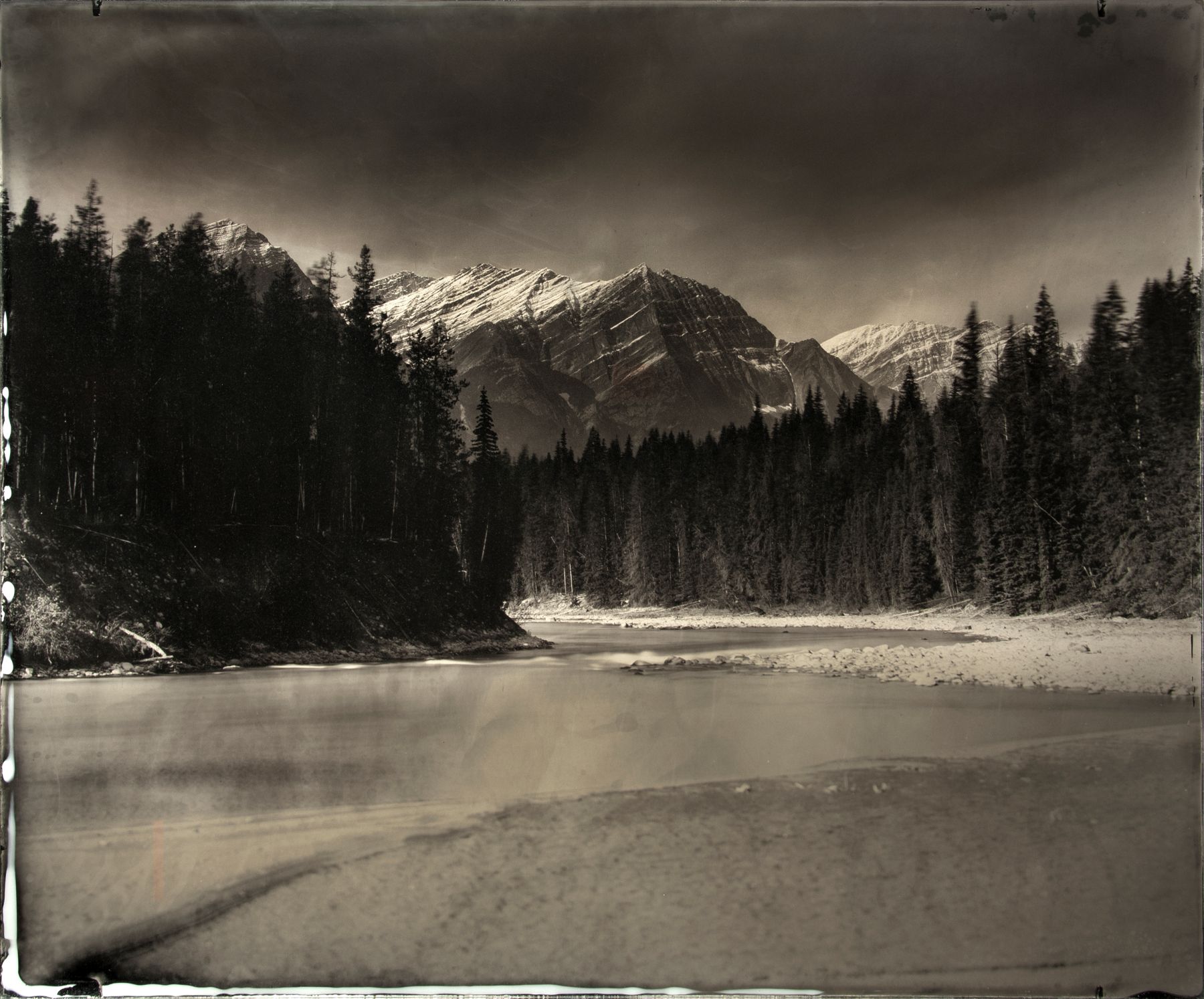
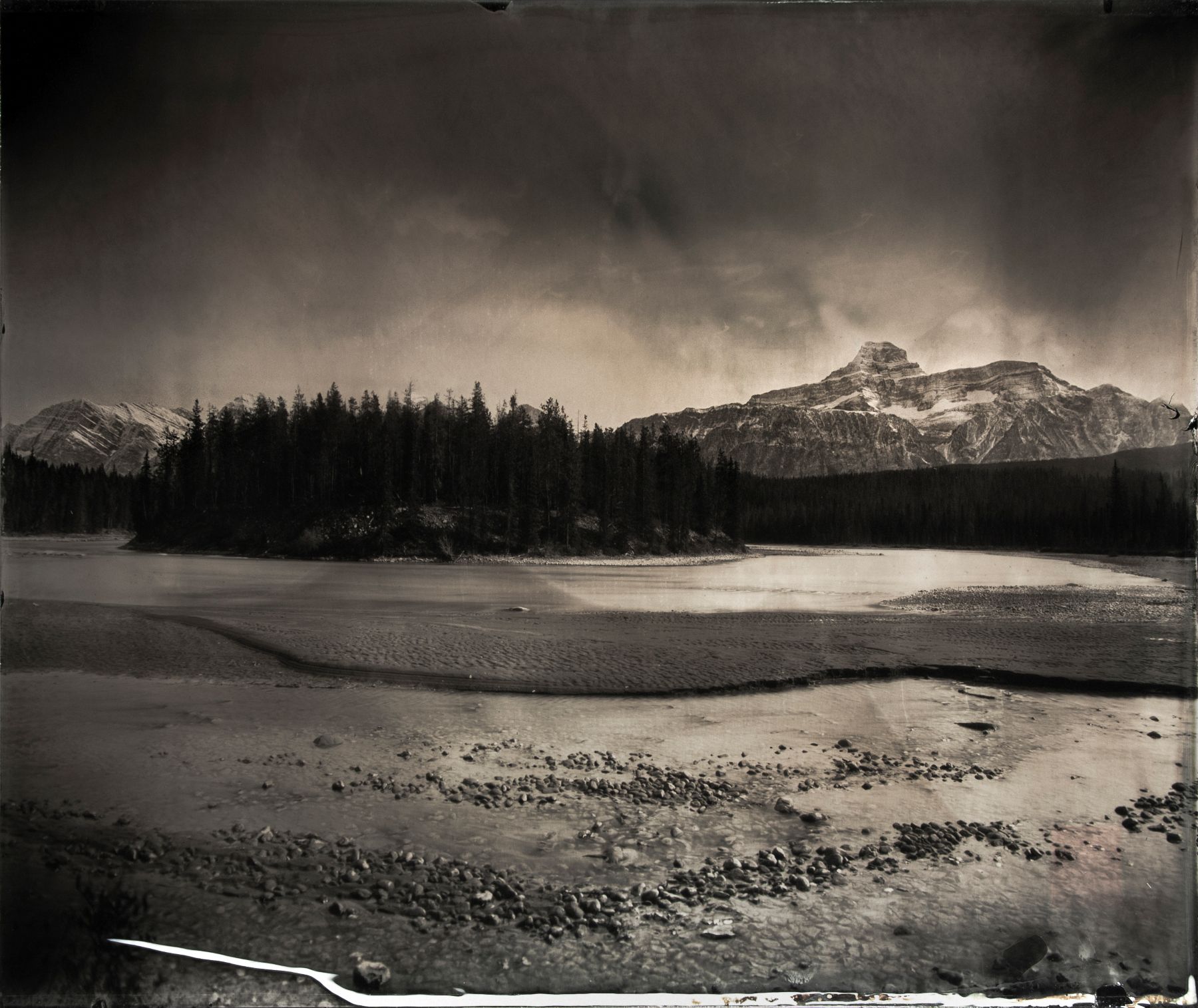
- ☁️ Cloud details of extraordinary texture
- 🎭 Dramatic tonal layers in the sky
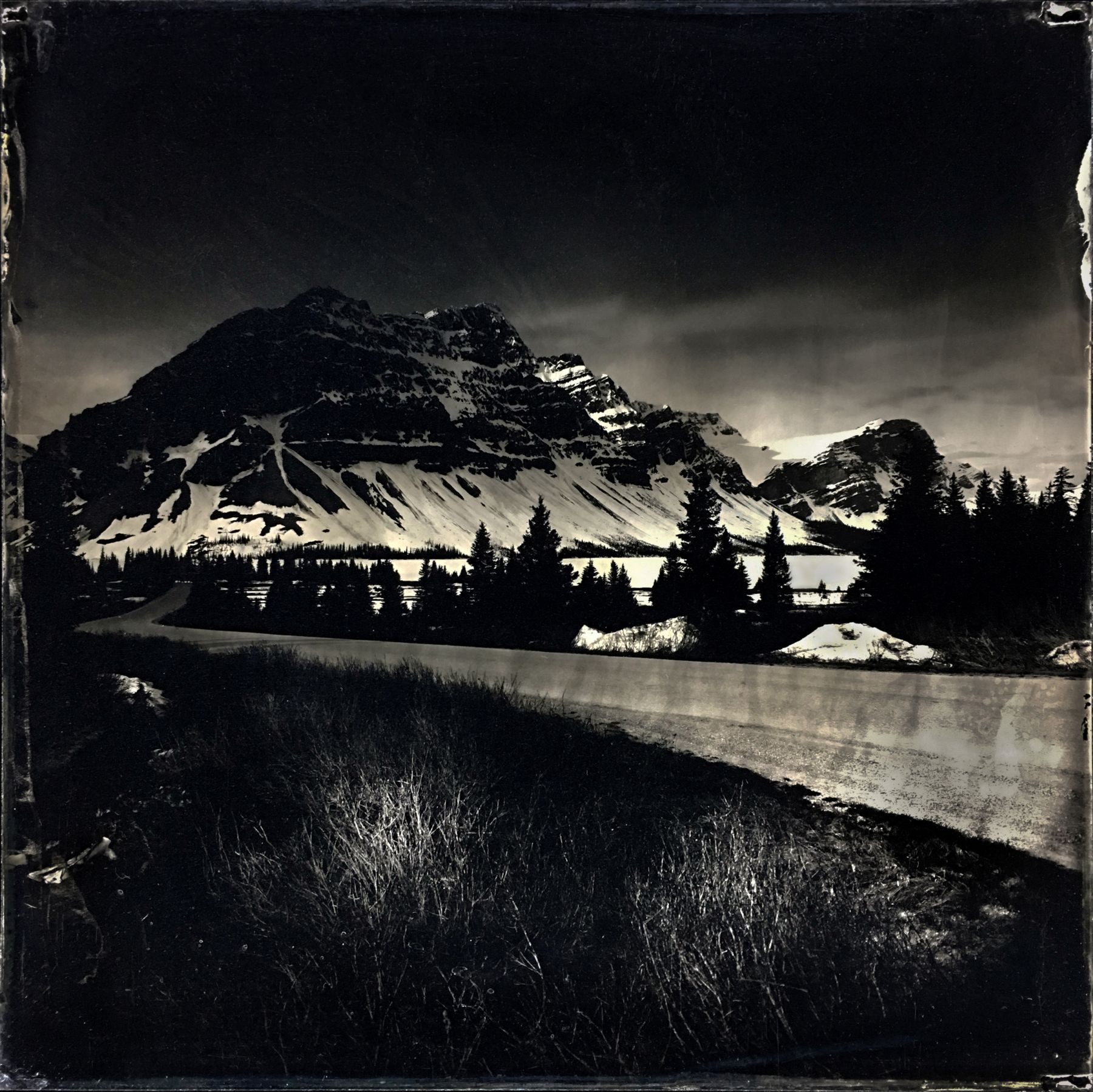
- 🏔️ Subtle gradations within snow-mountain shadows
Such image quality is extremely rare in today’s wet plate photography world.
Even more remarkable, thanks to the ample fresh water supply in his RV, he performs extensive and rigorous washing of the plates on site, ensuring that these glass images can be preserved for over 200 years without fading or deterioration.
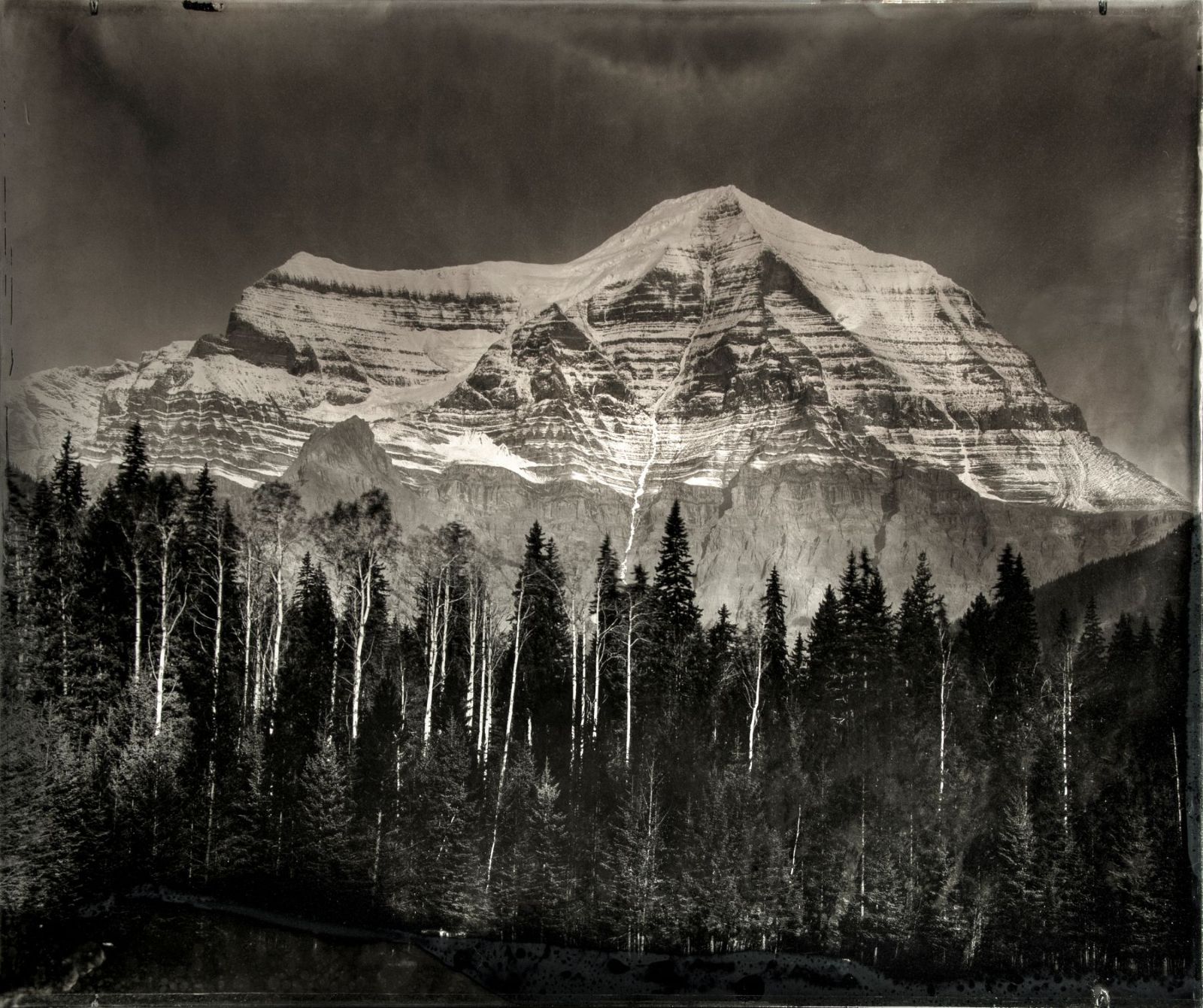
Photographer: Bill Hao
🌍 IV. Using the Most Enduring Medium to Rescue the Most Fleeting Landscape
Bill Hao’s work focuses on the Canadian Rockies, exploring existence, destruction, and the passage of time. He creates a sharp philosophical paradox:
Using glass and silver that last for centuries to record natural wonders that vanish in an instant due to climate change and wildfires — melting glaciers, burned forests.
This is a kind of tragic romance: while we can capture a “decent” photo in 0.3 seconds, he spends three days, 50 kilograms of equipment, and sub-zero cold to trade for a single silver-gelatin image that may endure for two centuries.
In a digital age where smartphones and AI generate billions of cheap, ephemeral images every day, Bill Hao’s creation is itself a direct critique of and resistance against “instrumental reason” and hyper-efficiency.
Photographer: Bill Hao
🏆 V. Echoes from the World
With his unique technique and profound artistic expression, Bill Hao has won numerous honors in the international photography world:
| Year | Award |
|---|---|
| 2026 | IPA International Photography Awards · Professional “Film/Analogue Photographer of the Year” |
| 2025 | TIFA Tokyo International Foto Awards · 1st Place (Analogue Photographer of the Year) |
| 2025 | Denis Roussel Award · Special Recognition |
| 2025 | New York Artexpo · Spotlight Award |
It is worth mentioning that throughout his creative journey of more than 23 years, his wife Crystal has always been his best assistant — braving the cold and hardship of the wilderness together, and often providing background music for his documentary video works.
His photographic idols include Ansel Adams, and wet plate pioneers John Coffer and Roger Fenton — each of whom reached the most profound landscapes using the most painstaking methods.
Photographer: Bill Hao
🔍 Bonus: A Crazy Mathematical Comparison
If we treat Bill Hao’s giant 32 × 48-inch glass plate (about 58 inches diagonal) as a “CMOS” sensor —
- Glass plate area: 812.8 mm × 1219.2 mm ≈ 990,965.76 mm²
- Full-frame CMOS area: 36 mm × 24 mm = 864 mm²
- Multiple: approximately 1147×
In other words, the sensitive area of this “giant CMOS” is equivalent to about 1147 full-frame sensors combined.
Imagine: every shoot, in the sub-zero wilderness, he must carry a 110-pound camera and, with this heavy glass plate equivalent to over 1000 full-frame cameras, complete hand-coating, exposure, and development within a few minutes.
This is why his creation is destined to be a breathtaking performance art.
✨ Slow down, and you will see time.
Photographer: Bill Hao
Photographer: Bill Hao
Photographer: Bill Hao