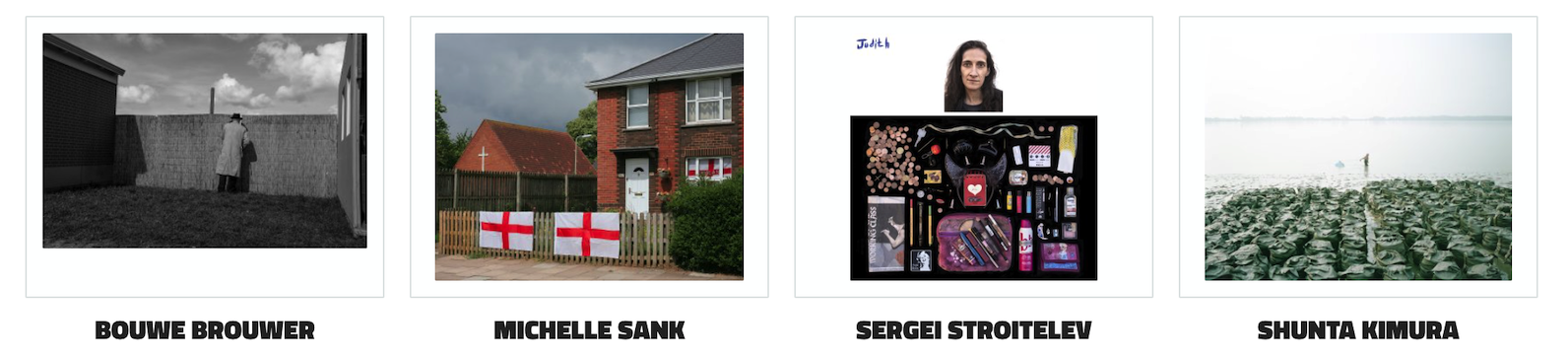
This year, the “Projects & Portfolios” category of the URBAN 2026 Photo Awards shortlisted four documentary and street photographers from very different countries and backgrounds: Bouwe Brouwer from the Netherlands, Michelle Sank (born in South Africa, now based in the UK), Sergei Stroitelev (born in Russia, now based in Berlin), and Shunta Kimura from Japan.
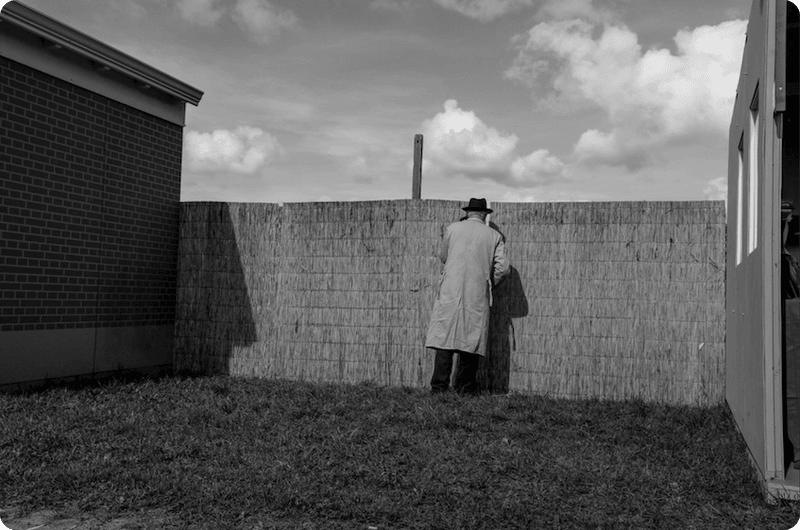
Portfolio Name: The Great Escape
Photographer: Bouwe Brouwer @bouwe_brouwer
1. Bouwe Brouwer — Catching the Slight Imbalance of Everyday Life in “Visual Haiku”
Keywords: black-and-white street photography · visual haiku · subtraction · pure candid
Bouwe Brouwer is a Dutch street photographer and a member of the international photography collective UP Collective. This year he made the final shortlist of the Urban 2026 Photo Awards.
1.1 Multiple Identities and a Cross-Disciplinary Background
Brouwer was born in the Netherlands in 1977, but he isn’t a full-time photographer — his day job is teaching primary school at a refugee camp. He studied fine art early on and trained as an illustrator, but after graduating in 2001 he spent a long stretch away from visual art. From 2008 onward he began publishing haiku and short stories internationally. It wasn’t until 2013, when he stumbled onto photography while on holiday, that he fell for it completely.
1.2 A “Visual Haiku” Approach to Photography
Deeply shaped by his years of writing poetry, Brouwer sees photography as “visual haiku”. As he once put it: “Like haiku, photography is a small fragment of time that gets captured”.
- A black-and-white aesthetic: The vast majority of his work is black and white. That comes partly from his habit of drawing black-and-white illustrations, but more importantly because black and white gives an image strong graphic quality and the ability to express all kinds of emotion.
- Subtraction and imperfection: His street photography steers clear of exaggerated spectacle and dramatic turns; it’s an art of “subtraction”. He isn’t hunting for the so-called “decisive moment.” Instead he captures the hovering, unfinished gestures and the almost imperceptible quiet of ordinary life.
- Surreal and absurd: His work often carries a surreal, ironic, visually playful quality. By catching moments of slight imbalance in public space, he disrupts our fixed ideas about everyday life. He sticks to pure candid shooting, never crops his photos, and does almost no post-processing.
1.3 Key Projects and Publications
Brouwer loves turning his work into handmade zines and photobooks:
- 《Postcards from Fryslân》 (2014–): A long-term project he started after moving to Sneek, in the north of the Netherlands, dedicated to documenting daily life right on his doorstep and in the surrounding towns.
- 《Blauwhuis》 (2023): His first solo photobook, documenting the frenzied scene at a racetrack in a nearby village. It’s hand-bound, and the spine is even smeared with real dirt from the track.
- 《Hardcore Vibes》 (2025): His second book, a deep dive into the “Hardcore” music festival subculture that emerged in the Netherlands in the ’90s and is still going strong today.
- 《A Quiet Distance》 (2026): A limited-edition photobook published by the well-known street photography platform Eyeshot, perfectly capturing his black-and-white street aesthetic — stripped of clutter and aiming for extreme quiet and restraint.
- 《The Great Escape》: A body of work blending street wandering with documentation of specific events, with an avant-garde, surreal feel.
1.4 Recent Major Awards
- 2026: Second place, Series category, LensCulture Street Photography Awards, for 《The Great Escape》.
- 2026: Third place, London Street Photography Festival, for the series 《My Perfect Strangers》.
- 2025: First place, Series category, Dublin Street Photography Festival (DSPF), for 《The Great Escape》.
- 2022: First place, Series category, the 3rd Exibart Street Photography Contest.
1.5 Advice for Newcomers
Brouwer once advised photographers just starting out: “Follow your own obsessions and fixations. You can learn things by imitating others, but only when you start following your own inner compulsions does your work become more interesting and reach a higher level”. He believes that when a photographer feels an “urge” — a sense that something must be photographed no matter what — the work breaks through the surface and reveals real depth.
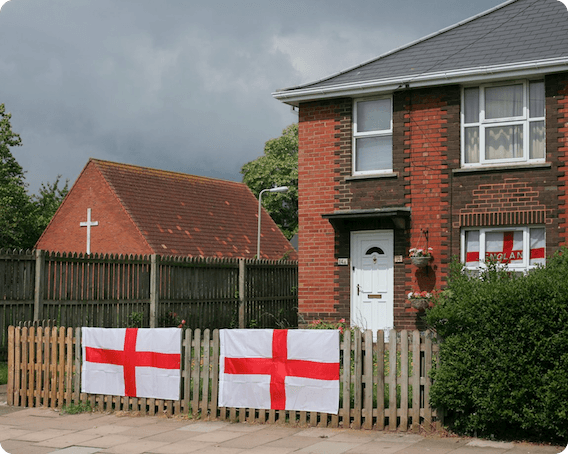
Portfolio Name: Burnthouse Lane
Photographer: Michelle Sank @sank_michelle
2. Michelle Sank — Looking at Ordinary People’s Dignity and Bonds in Everyday Settings
Keywords: social documentary · environmental portrait · medium-format color · empathy · non-judgmental
Michelle Sank is a leading social documentary and environmental portrait photographer, born in South Africa and now based in the UK. In this year’s URBAN 2026 Photo Awards, she not only made the “Projects & Portfolios” shortlist, but also won the Mark Power Special Prize — Beyond the Surface, judged by Magnum photographer Mark Power, for her photobook 《Burnthouse Lane》, which documents a British working-class community.
2.1 A Career That Crossed Borders and Took a Winding Path
Sank was born in Cape Town, South Africa, in 1953, into a family of Latvian Jewish immigrants. Growing up under apartheid — and being the descendant of immigrants — deeply shaped her later interest in marginalized groups, subcultures, and cultural diversity.
In the late 1970s she studied painting and sculpture at the Michaelis School of Fine Art in Cape Town, until she happened to pick up photography in her final year. She described photography as “the umbilical cord connecting me to the world I live in”. Her talent was spotted early by the legendary South African documentary photographer David Goldblatt, who became her lifelong mentor and taught her to “see the edges of the frame”.
But after leaving South Africa in 1978, circumstances (she drifted through Greece and the UK, and worked in ceramics restoration at the British Museum) kept her away from photography for nearly 25 years. It wasn’t until 2001, when she earned an MA in Photography at De Montfort University in the UK, that she returned to full-time photography and settled on medium-format color as her mode of working.
2.2 Style and Philosophy: Finding the Extraordinary in the Everyday
Sank describes her work as social documentary photography.
- Environmental portraits and spatial metaphor: Her work is never about catching a spectacle. Instead, she ties people closely to their physical surroundings — bedrooms, streets, communal spaces — creating visual narratives with sociological and psychological weight. The setting often becomes a “stage” on which the subject presents themselves.
- Empathy and a non-judgmental gaze: She’s drawn to people who live on society’s margins or don’t quite fit the mainstream. When she shoots, she tends to meet them at eye level, with respect, building a real connection. Her mentor David Goldblatt once said of her: “The people in her lens are not typecast or reduced to stereotypes; they are simply ‘ordinary people.’ Sank allows them to be themselves, and in doing so she evokes a distinctive spirit that comes from deep within”.
2.3 Core Themes and Key Projects
Her lens has long focused on young people (adolescent bodies and identity), a sense of community belonging, and individual marginalization. She has published several important photobooks.
Youth culture and body image
- 《In My Skin》 (2012): Documents how young British people under 25 deal with society’s demands about body image — through cosmetic surgery, eating disorders, or being transgender — and the struggles they go through to feel at home in their own bodies. Most of these photos were taken in their small bedrooms.
- 《My.Self》 (2018): Explores cross-cultural identity and self-expression among young people in England’s Black Country.
- 《Bye-Bye Baby》: Looks at how pop culture pushes children and teenagers to “grow up” too early.
Community and the ties to place
- 《Burnthouse Lane》 (2024): The work that won her the URBAN 2026 award. It’s a deep look at a long-established working-class community on the outskirts of Exeter (built back in the 1920s), dismantling the outside world’s “slum” stereotypes and showing the close human bonds and individual dignity inside the community.
- 《The Submerged》 (2011): Documents the interaction between people and nature amid the grainy, desolate coastal landscape of Aberystwyth in Wales.
Home and memory
- 《Ballade》: A poetic tribute to her birthplace, Cape Town. She turns her lens to the Sea Point Promenade and its public swimming pools, documenting the vibrant social, economic, and racial diversity there in the post-apartheid era.
- 《Drag Daughters》 (2026): Documents how drag queens who grew up in Cape Town’s Black townships have shed a past of hiding and rejection to embody a self full of strength and pride.
2.4 Recent Major Awards and Honors
- 2024 Sony World Photography Awards: Won the Open competition, Portraiture category, with the group portrait 《Zenande, Sinawe, Zinathi and Buhle》 from the 《Ballade》 series.
- 2024 Honorary Fellowship of the Royal Photographic Society (RPS): The RPS’s highest recognition of a major personal achievement in photography.
- Shortlisted for and won the Taylor Wessing Portrait Prize and the British Journal of Photography’s “Portrait of Britain,” among other awards.
Her work is held in the permanent collections of institutions including the Museum of Fine Arts, Houston, the Open Eye Gallery in Liverpool, and the UK’s Museum of Youth Culture.
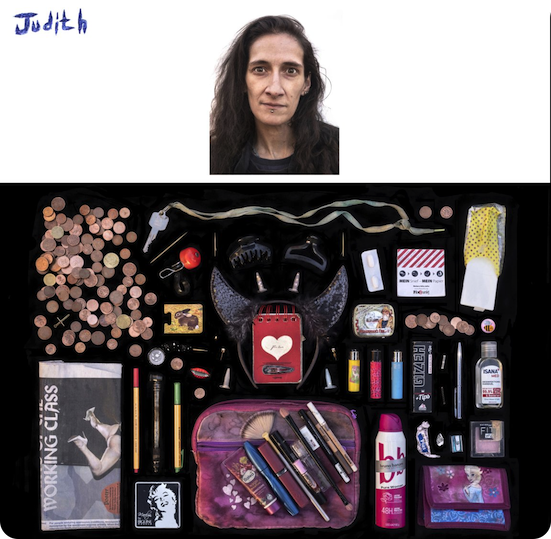
Portfolio Name: Behind The Surface Of Addiction
Photographer: Sergei Stroitelev @sergei_stroitelev
3. Sergei Stroitelev — Trauma and Marginalized Narratives Through a Human-Rights Lens
Keywords: freelance documentary · visual evidence · marginalized groups · identity · intimate narrative
Sergei Stroitelev is a freelance documentary photographer and visual artist, born in Russia and now based in Berlin, Germany. He made this year’s URBAN 2026 Photo Awards “Projects & Portfolios” final shortlist.
3.1 An Unusual Background: From Human Rights Lawyer to Documentary Photographer
Sergei was born in Leningrad (now St. Petersburg) in 1985. Before becoming a professional photographer, he had a substantial legal career: from 2008 to 2012 he worked as a practicing human rights lawyer, and even filed a case with the European Court of Human Rights on behalf of persecuted Chechen gay men. Two years of high-pressure legal work, though, left him deeply burned out, and he decided to turn his longtime hobby of photography into a career.
He studied photojournalism at the Galperin School of Photojournalism in St. Petersburg, finishing with a graduation project that took him to Maidan Nezalezhnosti in Kyiv, where he spent two months documenting the Ukrainian revolution. That experience made him keenly aware of “the power of photography as visual evidence”.
3.2 Core Philosophy and Themes
Stroitelev firmly believes: “Good social photography can change the lives of certain people and improve the world by raising awareness.” His work focuses mainly on groups that modern society overlooks and pushes to the margins.
Through different visual languages, he explores minority identities, prejudice based on race, religion, gender, and sexual orientation, health issues, and the aftermath of natural disasters and conflict. Beyond these larger social issues, he often takes on deeply personal projects exploring his own inner demons, family history, and personal trauma.
3.3 Representative Projects
Sergei is skilled at telling stories through long-term visual investigation and distinctive creative forms. His key works include:
- 《The Dreamers (searching for love in the darkest times)》: Documents the lives of Russia’s LGBTQIA+ community after they fled to places like Georgia during wartime. With Russia having labeled the community “extremists,” he photographs these partners nestled together with their eyes closed — a pose representing their state of “hovering” between an old life and an unknown new one, turning intimacy into a symbol of shelter and survival.
- 《I wish it was just a nightmare》: On March 4, 2022, facing press censorship and the risk of arrest for publicly opposing the war in Ukraine, he fled Russia with just a backpack. This deeply personal project uses red-toned self-portraits, diary sketches, and news screenshots from the frontlines to visualize the nightmares, shame, and guilt he felt after escaping his homeland.
- 《Am I not scared anymore?》: Focuses on breast cancer survivors in Russia. In Russian society, mastectomy is often treated as a taboo to be hidden and a source of shame. Sergei uses a tender, light-filled lens to break that stigma, documenting the scars, beauty, and resilience these women reveal once their clothes come off.
- 《Behind The Surface Of Addiction》: An ongoing project about female drug users in Berlin (mostly homeless, some involved in sex work). By photographing the personal belongings they carry (as still lifes) alongside their testimonies, he tries to break down society’s fixed prejudices about addicts and reveal their inner worlds and family bonds beneath the addiction.
- 《The House of Light》: Documents a children’s hospice in St. Petersburg. Unlike many photographers who treat such subjects with a heavy, dark style, Sergei chose to portray it as a “house full of light,” focusing on the smiles and dignity of the children in the last days of their lives.
- 《Bermuda Rectangle》 (the Bermuda Triangle inside Russian women’s handbags): A playful social experiment. On the streets of St. Petersburg, he persuaded women of different ages and professions to show him what’s inside their handbags. By pairing ID-style portraits with the contents of each bag, he reveals the personalities and secrets of modern women.
3.4 International Honors and Industry Recognition
Sergei has won numerous international photography honors, including the Luis Valtueña Humanitarian Photography Award, Pictures of the Year International (POYi), the Istanbul Photo Awards, the Kolga Tbilisi Photo Awards, and the NPPA Best of Photojournalism awards, among other major prizes.
As a freelance photographer, he has long contributed to major international outlets including National Geographic (Russia), VICE UK/USA, and De Volkskrant, and maintains close collaborations with international NGOs such as the International Red Cross and Doctors of the World.
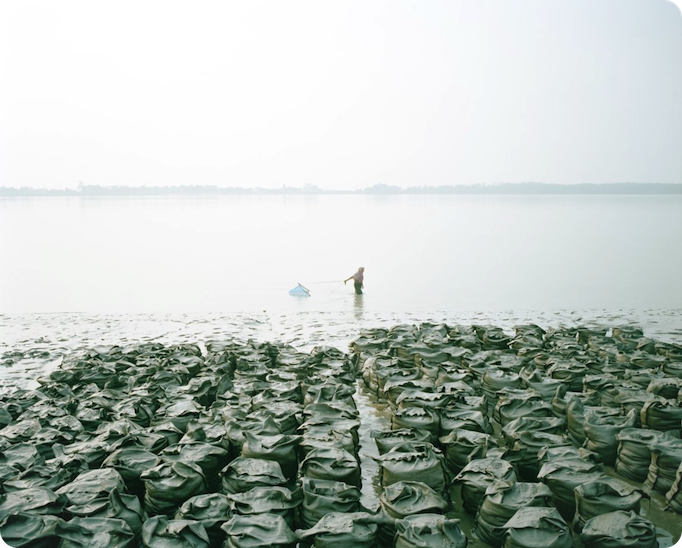
Portfolio Name: Groundswell
Photographer: Shunta Kimura
4. Shunta Kimura — Micro-Scale Resilience Under a Massive Climate Crisis
Keywords: independent documentary · visual photojournalist · climate migration · quiet everyday life · identity and dignity
Shunta Kimura is an independent documentary photographer and visual photojournalist based in Japan. He made this year’s URBAN 2026 Photo Awards “Projects & Portfolios” final shortlist.
4.1 Background and Core Philosophy
Kimura graduated from the Nippon Photography Institute and then began his career as a freelance documentary photographer.
His work is mainly about giving the public a fresh way of looking at contemporary environmental and social problems, and exploring possible paths toward solving them. Visually, he deliberately avoids dramatic moments and scenes of catastrophic suffering, opting instead to capture calm, slow-paced scenes of everyday life. In doing so, he hopes to show the resilience and adaptability people display when facing enormous environmental change — and the strength to survive no matter what the circumstances.
4.2 Core Themes and Key Projects
Kimura’s lens has long focused on migration driven by climate change, as well as other overlooked social issues on the margins.
《The Chronicle of Us》 / 《Living in the Transition》
This is his best-known ongoing long-term project, exploring human migration triggered by the global climate crisis. It documents the lives of people affected by climate change across Southeast Asia, for example:
- In Bangladesh, in the Gabura Union on the southwestern coast, he documents how local residents cope with river erosion, landslides, cyclones, and freshwater salinization — and even photographs the climate orphans and refugees left homeless in Dhaka’s railway stations and slums.
- In the Philippines, he documents areas of Manila that face rising sea levels and are on track to sink, as well as the lives of residents of Bohol Island after it was devastated by Super Typhoon Rai.
In this project, he doesn’t just photograph how people’s lives change before and after migration — he also deliberately shoots portraits of climate refugees that resemble “ID photos,” aiming to give real identity and dignity to people who are so often reduced to statistics. The series has been published in Newsweek Japan.
Other humanitarian projects
Beyond climate issues, he has long focused on conflict-related sexual violence against men, boys, and LGBTIQ+ people, and has documented the aftermath and daily life of people following the 2023 Turkey–Syria earthquakes.
4.3 International Honors and Industry Recognition
- 2022: Won first place in the Professional competition, Environment category, at the Sony World Photography Awards for his Bangladesh climate change project, along with third place in the Professional Editorial/News Environment category at the International Photography Awards (IPA).
- 2023: Named one of the 25 selected photographers in LensCulture’s Emerging Talent Awards.
- 2024: Received the Artistic Recognition award, presented by Magnum photographer Harry Gruyaert, at Trieste Photo Days.
- 2025: Again named a finalist (shortlist) in the Sony World Photography Awards Professional Environment category, as well as in the Japan National Award.
Through his delicate, deeply empathetic documentary approach, Kimura turns the vast climate crisis into everyday moments of ordinary people simply trying to survive. His work is not just visual evidence — it’s a profound tribute to human resilience.
5. Conclusion: Shared Qualities and Individual Character
Taken together, the four photographers shortlisted in this year’s URBAN 2026 Photo Awards “Projects & Portfolios” category — Bouwe Brouwer, Michelle Sank, Sergei Stroitelev, and Shunta Kimura — demonstrate a high level of professional depth and humanistic concern in contemporary documentary and street photography.
Shared Qualities
- Deep, long-term narrative projects: Unlike scattered single shots, all four excel at systematic “projects and portfolios,” building rich, finely woven narratives through long-term visual investigation and sustained immersion — Brouwer captures micro-slices of daily life, Sank keeps tracking communities and youth subcultures, Stroitelev dissects marginalized social issues, and Kimura records climate migration over many years.
- A de-dramatized humanist perspective (anti-spectacle and empathy): Visually, they all avoid exaggerated spectacle, catastrophic scenes, or cheap dramatic conflict. Instead they observe ordinary people and marginalized groups with restraint, calm, and respect, uncovering individual dignity and resilience in the everyday.
- Strong sociological and psychological depth: Whether the subject is identity, environmental change, marginalization, or traumatic memory, their work goes beyond mere visual aesthetics. It carries real sociological documentary value and emotional resonance on a psychological level.
Individual Character
| Photographer | Creative Keywords | Core Characteristics |
|---|---|---|
| Bouwe Brouwer | black & white · visual haiku · subtraction | Grounded in black-and-white street photography, skilled at subtraction, capturing moments of slight imbalance in public space that are full of absurdity and quiet poetry, and insisting on pure candid shooting — no cropping, no post-processing |
| Michelle Sank | social documentary · environmental portrait · empathy | Works in medium-format color, closely tying people to their physical surroundings, and with a non-judgmental empathy, delicately documenting the working class, youth culture, and individual struggles with body and identity |
| Sergei Stroitelev | human rights lens · the margins · trauma narrative | With a background as a practicing human rights lawyer, he cuts into sensitive issues at the deep end of modern society (LGBTQIA+ communities, illness survivors, addicts, and the trauma of exile), using intimate visual language to break down social prejudice and stigma |
| Shunta Kimura | climate migration · micro-survival · identity and dignity | Focused on human migration driven by global warming, turning the vast climate crisis into everyday moments of ordinary Southeast Asian people trying to survive, and using “ID-photo”-style portraits to give marginalized people real identity and dignity |