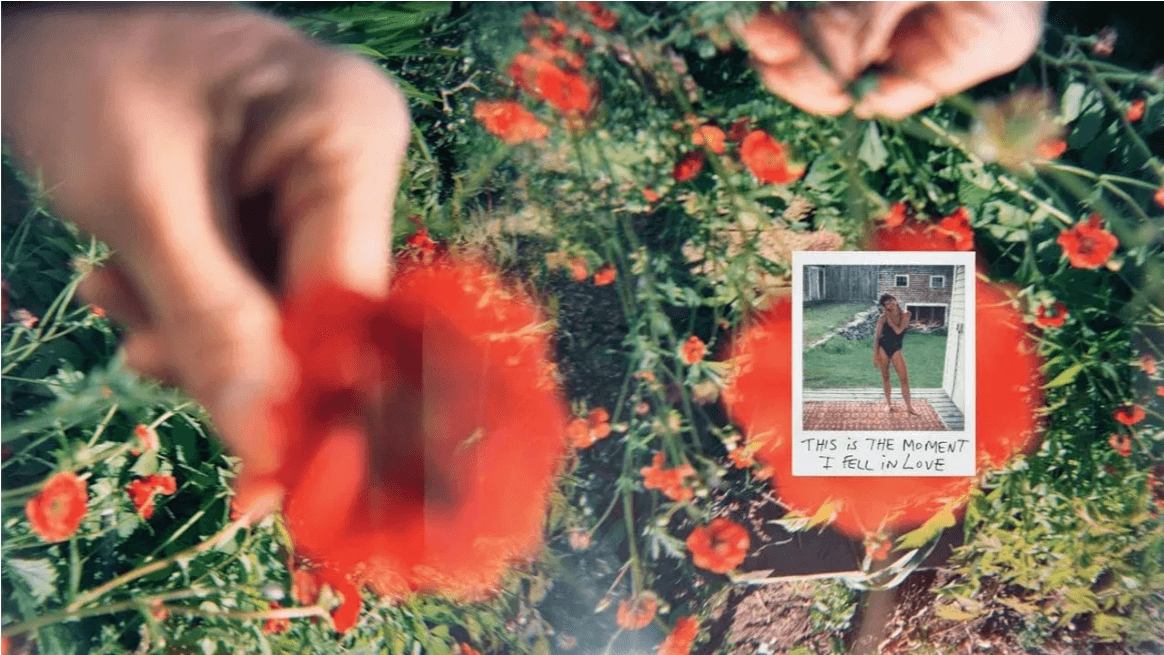
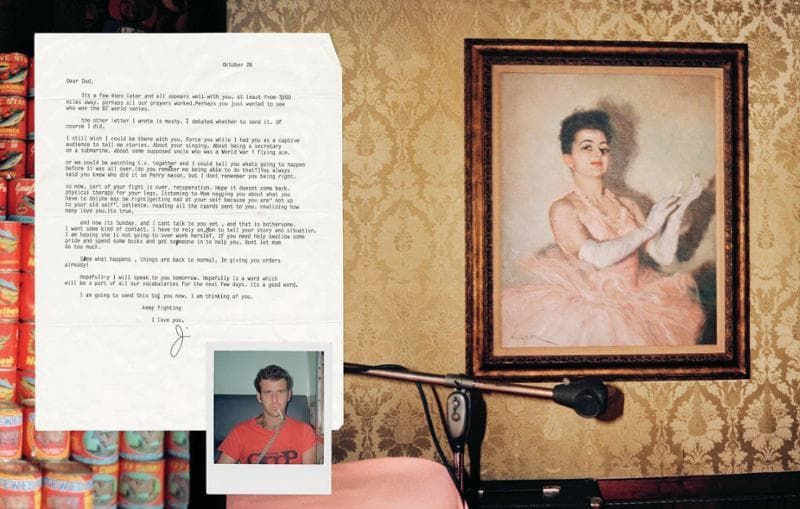
Leafing through Jim Goldberg’s Coming and Going is like opening the boxes from a monumental move—each one holding an entire life: memories carried from childhood to the present, losses that remain vivid even after many years, ended loves and worn-out toothbrushes, traces left by the people you’ve met, the Post-it you could never bring yourself to throw away, letters you received, and the Polaroids you took of yourself along the way. And when that road belongs to an extraordinary artist who has made both photography and writing powerful tools for exploring the world and the self, the journey is bound to be unforgettable.
Seventy-two years old—more than fifty of them spent with a camera in hand—he has exhibited in some of the world’s most prestigious museums, published more than ten books, and reached many of photography’s highest milestones (including becoming a Magnum member in 2002). Goldberg has documented the lives of the wealthy and the dispossessed, street kids and migrants fleeing war and poverty, the final days of older people in nursing homes, and the shattered dreams of Americans—always weaving words and images together in an effort to capture the complexity and nuance of human experience. In Coming and Going (Mack), he turns that longing to freeze time through images toward himself, creating a memoir that is both introspective and universal—stitching together the fragments of his own life, where everyone’s joys and sorrows, successes and failures, can be felt.
“Many years ago,” Goldberg says from the California farm where he lives with his partner and fellow Magnum photographer Alessandra Sanguinetti, “I began using photography to tell the stories of people whose voices go unheard. At a certain point, I felt it was important to turn the lens on myself—to look in the mirror and talk about what was happening to me. But this isn’t only my story—it’s all of ours: we all have to reckon with the birth and death of loved ones, we all fall in love, and we may all have to pick up the pieces after a relationship ends.”
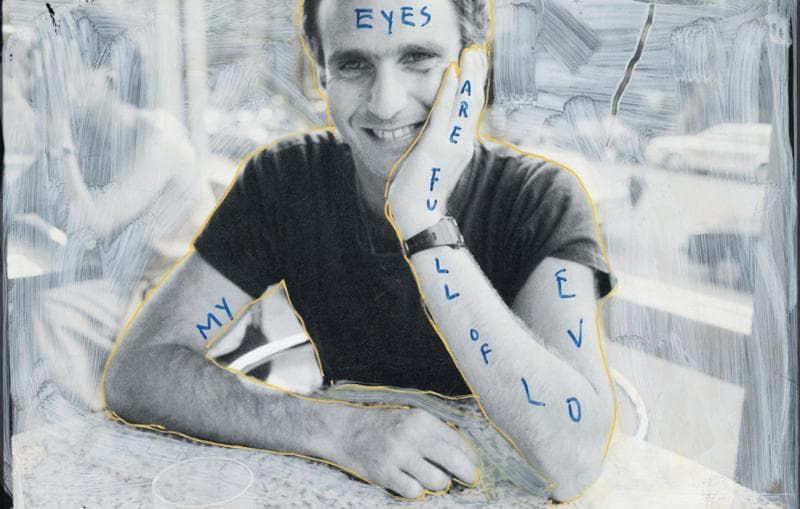
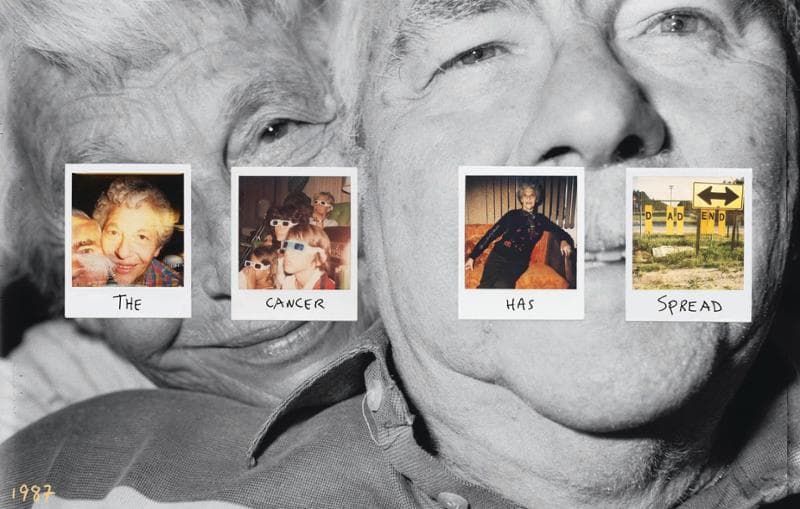
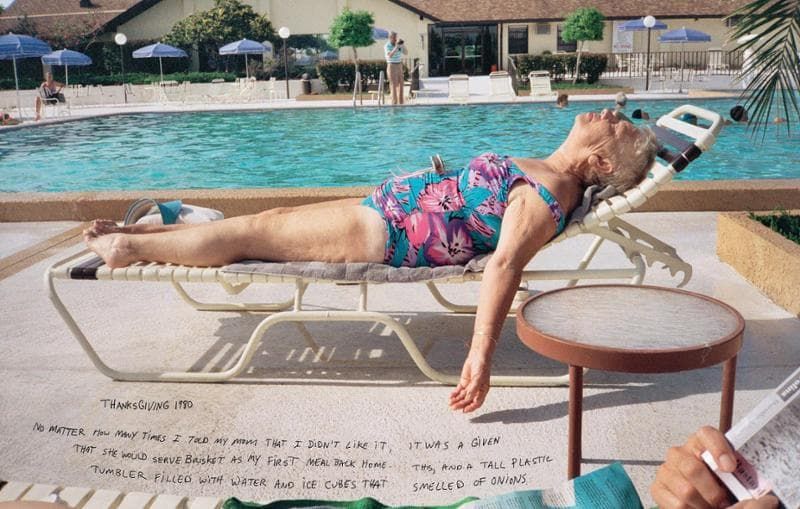
A collector of memories, a collage-maker assembling the puzzle of a life clipping by clipping, and a serial hoarder of memorabilia, Goldberg spent 23 years completing this book. He kept the hundreds of photographs and objects that compose it in boxes and on shelves in his studio: “I need to preserve what marks the passage of time—I catalog and photograph the locks of my hair going from brown to white, and the toothbrushes my daughter kept changing as she grew up. These objects are translated into photographs so that I can remember.” Yet perhaps writing is the book’s true connective tissue: words that cling to the images, commenting on them, defining and revealing them, and uncovering unexpected layers of meaning. Whether written on the photographs, scratched onto a Polaroid, or typed in a letter, they are not merely text but living things—matter, performance, life bursting past the edges of the frame. “When I discovered photography, I was immediately drawn to this language that could show what I couldn’t say in words,” he says. “Ironically, as my career went on, I began using writing to express what images, on their own, couldn’t. For me, snapshots and words have a symbiotic relationship.”
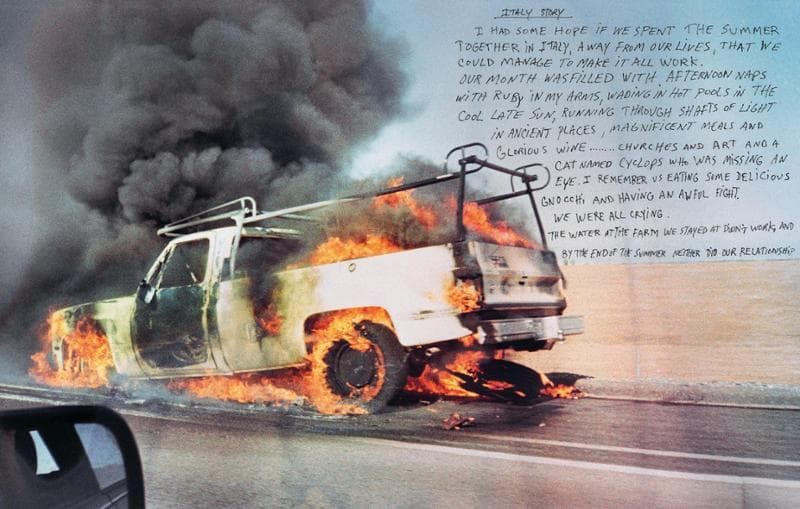
As far back as Guest Register (1977), words and images were already in constant dialogue in his work. That small book—his graduation project from an early photography course, now held by the Smithsonian in Washington—had Goldberg ask residents of a social-assistance shelter in San Francisco’s Mission District to write their stories directly on the portraits he made of them, giving the project both poetic and political force. Writing allowed him, on the one hand, to move beyond pure documentation and strike more private emotional chords; on the other, the participatory nature of his projects—often with subjects providing their own written commentary and interpretation—kept him on equal footing with the people he photographed, never paternalistic or judgmental.
“When I commit to a project, my relationship with my subjects is an equal one: they work with me, and I work with them, to create something that expresses what they want to say about themselves. With Coming and Going, it was my story, but the process was exactly the same.”
And that process may be even more painful. “I can’t say it was easy,” he admitted. “Sometimes I look in the mirror and like what I see; other times I look and think: you’re a complete idiot. An autobiographical book forces you to expose yourself, to pull the dirt out from under the rug—maybe that’s why it took so many years.”
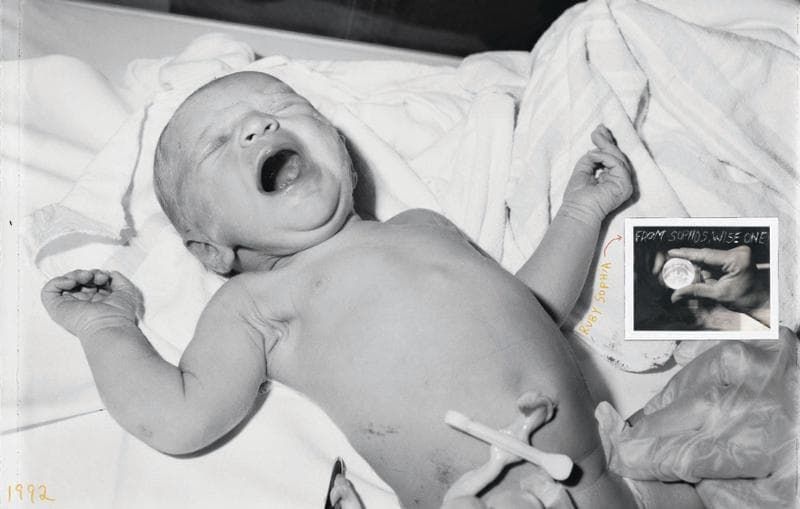
Because every story is written in time: “I knew where I would begin, but not where I would end. I didn’t know my mother would die; I didn’t know I would find love again; I didn’t know I would move to a farm. In a way, it’s also a story of redemption: I live in paradise, I’m in love, I have two daughters instead of one. It’s another life compared to when I began.”